Infant Colic: What Is It?
Infant colic refers to a benign condition characterized by episodes of intense, prolonged, and inconsolable crying in an otherwise healthy baby. It affects about one in four infants between birth and 4 to 5 months of age. With no identified medical cause, it resolves on its own as the baby’s digestive and nervous systems mature.
Recognizing colic allows parents to adopt a supportive approach and implement targeted soothing techniques. Typical characteristics include high-pitched crying at regular times (often in the late afternoon or evening), a flushed face, legs drawn up to the abdomen, a tense abdomen, clenched fists, and resistance to usual soothing methods. The baby’s overall good health between episodes and normal growth confirm that the condition is benign. Additional resources are available regarding colic and infant care in general.
What immediate steps should be taken?
Several proven soothing techniques can be combined during an episode:
- Tiger position: baby on the parent’s forearm, stomach down, head in the crook of the elbow (a draining position that is very often effective)
- Close-contact carrying in a physiological wrap or ergonomic baby carrier that respects the physiological position (legs in a frog position, rounded back)
- Vertical rocking against the parent’s chest, using slow, rhythmic movements
- A stroll in a stroller or car ride: the vibration and steady motion have a documented soothing effect
- Skin-to-skin contact: direct contact with the parent, with the baby lying against the parent’s bare chest
- A warm bath at 37 °C, kept brief (5 to 10 minutes), which is soothing and relaxing
- Abdominal massage using gentle, clockwise circular motions around the navel
- Leg pedaling: Gently bring the knees toward the belly, alternating legs to help release gas
- A lukewarm, securely wrapped hotwater bottle (not hot) placed on the stomach through a cloth
No single method works for everyone: trying out several approaches and identifying which ones are most effective for your own baby is often the best strategy. Specific resources are available for baby massage and spitting up in general.
What kind of sensory environment should you create?
A significant portion of colic appears to be linked to sensory hypersensitivity toward the end of the day, when the baby has accumulated sensory stimulation. Adjusting the environment helps reduce sensory overload:
- Soft or dimlighting, or even semi-darkness
- White noise: a vacuum cleaner, a hair dryer at a distance, dedicated apps, or sound-emitting stuffed animals—these reproduce intrauterine sounds and soothe
- Soft music, lullabies, rhythmic whispers
- A calm atmosphere: remove screens, loud noises, and frequent comings and goings
- Moderateroom temperature (18 to 20 °C in the bedroom)
- Limit visitors during expected colic episodes
- Only one parent or primary caregiver to hold and soothe the baby, avoiding passing the baby from person to person
- A light blanket or gentle swaddling (provided SIDS prevention guidelines are followed; never while the baby is sleeping on their back without supervision)
Anticipating colic episodes by creating a calm environment half an hour before the usual time helps reduce the intensity of the episodes. Specific resources are available for the child’s sleep in general.
Probiotics: What Is the Real Benefit?
Several clinical studies have documented the benefits of probiotics in managing infant colic, particularly the Lactobacillus reuteri DSM 17938 strain. The results are most robust in breastfed infants, with a demonstrated reduction in crying duration across several controlled studies.
Some practical guidelines:
- Documented strain: L. reuteri DSM 17938, found in specific pediatric formulations
- Usual dosage: 5 drops per day for 3 to 4 weeks, to be administered under the guidance of a pharmacist or pediatrician
- Documentedgood tolerability; adverse effects are rare
- Efficacy varies by infant: marked improvement in some, modest or no improvement in others
- No immediate effect: benefits generally appear after 1 to 2 weeks
- For bottle-fed infants, efficacy remains more controversial and requires pediatric consultation
Probiotics are not a substitute for other soothing measures. They can serve as a useful supplement to a comprehensive strategy. Specific resources are available regarding probiotics in general.
Should the diet be adjusted?
Several dietary adjustments can reduce the severity of colic:
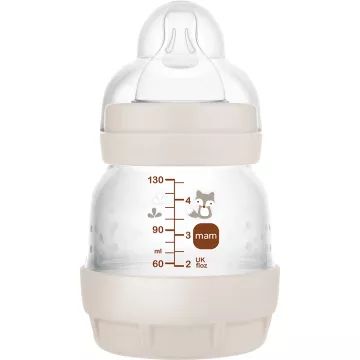
- Proper latch-on or a slow-flownipple to limit air intake
- Pauses to burp the baby halfway through a feeding and at the end of the meal
- A semi-upright position during and after feedings (20 to 30 minutes)
- More frequent but smallerfeedings for babies who tend to gulp
- Monitoring the amount of milk for bottle-fed babies (to avoid overfeeding)
- For breastfeeding mothers: moderate avoidance of excessive caffeine and alcohol, but no systematic avoidance of cow’s milk unless advised by a pediatrician
- "Comfort" infant formula with partially hydrolyzed proteins or lactose-free, as advised by a pediatrician
- Extensively hydrolyzed formulas (eHF) only in cases of confirmed cow’s milk protein allergy
Routine eliminations without a specific medical indication should be avoided in breastfeeding mothers: they can compromise nutritional balance and breastfeeding without any proven benefit. Specific resources are available for breastfeeding women regardinginfant feeding and infant formula in general.
When should you see a doctor?
Several signs warrant an immediate pediatric consultation:
- Very intense, prolonged, or unusual crying compared to the baby’s usual routine
- Fever above 38 °C
- Projectile or repeated vomiting
- Prolonged refusal to eat
- Weight stagnation or a break in the growth curve
- Chronic diarrhea, mucus in the stool, blood in the stool
- Paleness, unusual drowsiness, hypotonia
- Eczema, hives, signs suggestive of cow’s milk protein allergy
- Respiratory difficulties, wheezing
- Colic persisting beyond 4 to 5 months without improvement
- First visit to confirm the diagnosis and provide reassurance
The pediatrician confirms the benign nature of the condition, rules out differential diagnoses (urinary tract infection, ear infection, inguinal hernia, pathological reflux, CMPA), and refers the child for personalized care if necessary. Specific resources are available regardingbreastfeeding in general.
How can parents stay strong?
The colic period is particularly trying: prolonged crying, feelings of helplessness, accumulated fatigue, and anxiety. Several strategies help protect parental well-being and the baby’s safety:
- Take turns caring for the baby with your partner or a trusted loved one
- Go out for some fresh air every day, even if only briefly
- Accept help from family and friends with household chores and meals
- Rest at the same time as your baby whenever possible
- Recognize your limits and feel comfortable leaving the baby with someone else for a moment when stress levels rise
- Never shake the baby: shaken baby syndrome is a neurological emergency with extremely serious consequences
- Place your baby in a safe spot (crib, baby bouncer) and leave the room for a few minutes if exhaustion becomes overwhelming
- Seek help if you experience persistent exhaustion, signs of depression, or negative thoughts (family doctor, midwife, perinatal psychologist)
- Join parenting support groups, specialized organizations, or helplines
- Remember that colic is temporary and will resolve on its own around 3 to 4 months
Emotional support for parents is just as important as soothing the baby. A supported family navigates this temporary phase with greater peace of mind. Your pharmacist remains a valuable resource who can listen, recommend appropriate probiotics, and refer you to helpful support services, in addition to regular pediatric follow-up.