
Regurgitation refers to the passive, effortless return of stomach contents to the mouth or outside the body. Unlike vomiting, it is not accompanied by violent abdominal contractions or prior nausea: milk or food simply comes back up passively, often in small amounts after meals.
In infants, regurgitation is extremely common and is most often a normal physiological occurrence. It is caused by the immaturity of the lower esophageal sphincter (cardia), combined with a small stomach, large milk feedings relative to stomach capacity, and the frequent supine position. Most babies regurgitate without discomfort during the first few months, with gradual improvement around 6 to 12 months and the condition usually resolving by 18 months. For infants and babies who tend to gulp their food in general, additional resources are available.
Several factors contribute to regurgitation, particularly in infants:
In adults, regurgitation is generally due to gastroesophageal reflux exacerbated by certain factors: being overweight, smoking, an unbalanced diet, late meals, hiatal hernia, pregnancy, and certain medications. For infant colic in general, specific resources are available.
This distinction is essential for guiding management. Physiological regurgitation is characterized by:
Pathological regurgitation (pathological gastroesophageal reflux) may be accompanied by:
These signs warrant a pediatric consultation for evaluation and specific treatment.
Several simple steps can reduce the frequency and severity of spitting up in infants:
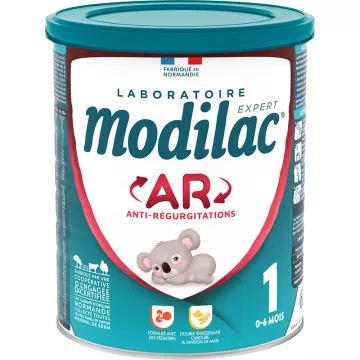
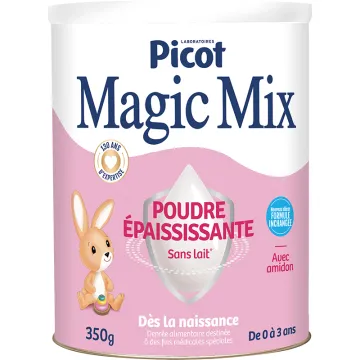
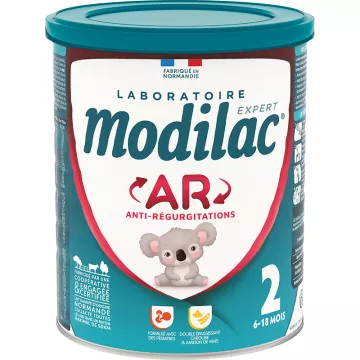
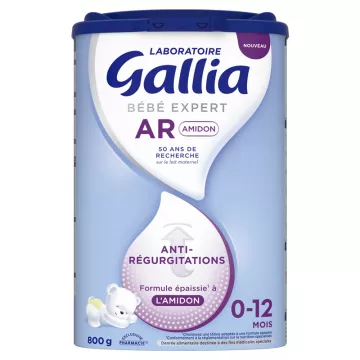
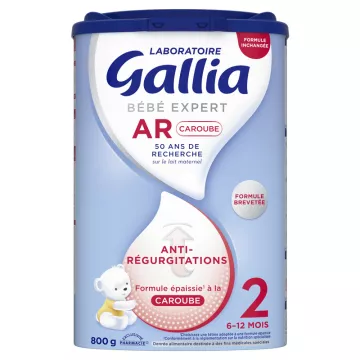
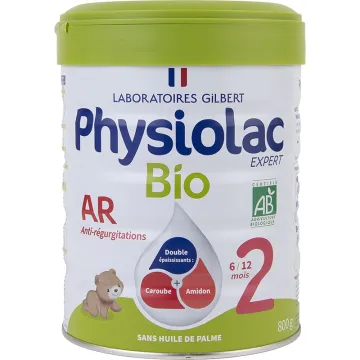
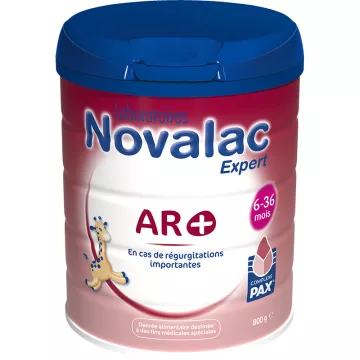
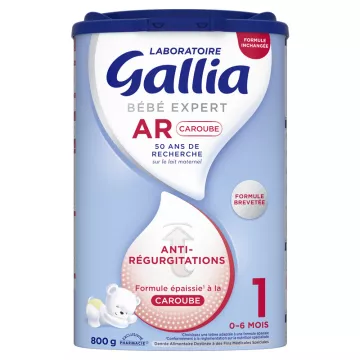
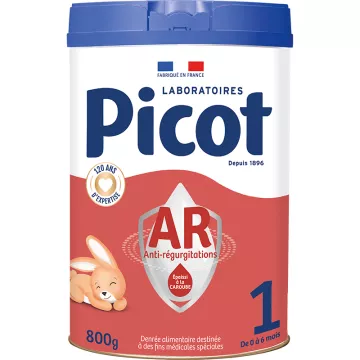
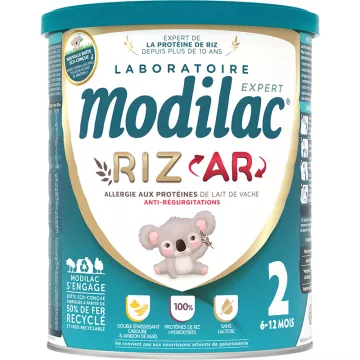
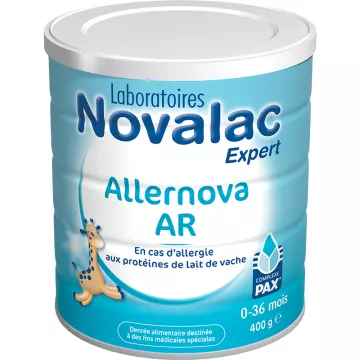
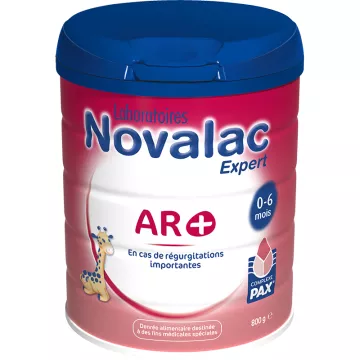
Specific resources are available regarding infant formula andbreastfeeding in general. Anti-regurgitation (AR) formulas, thickened with carob or starch, may be recommended by a pediatrician in cases of significant regurgitation.
For infants,dietary adjustments mainly involve the frequency and volume of feedings:
Inadults, several dietary adjustments can help reduce regurgitation: lighter, more frequent meals; eating dinner at least 3 hours before bedtime; limiting trigger foods (fried, fatty, spicy foods, citrus fruits, tomato paste, chocolate, peppermint, strong coffee, alcohol, carbonated beverages), limiting tobacco use, and losing excess weight if present. Specific resources are available for introducing solid foods andinfant feeding in general.
Several signs warrant an immediate medical consultation:
The pediatrician or primary care physician will assess the situation and may order additional tests (esophageal pH monitoring, endoscopy, ultrasound) or prescribe appropriate treatment based on the diagnosis.
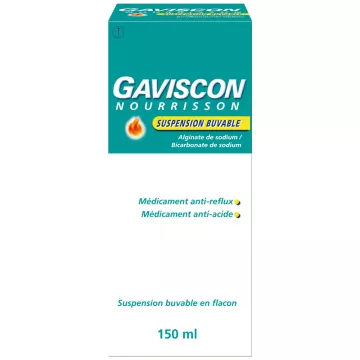
In infants, positional and dietary measures are sufficient in most cases. In cases of confirmed pathological gastroesophageal reflux, the pediatrician may prescribe:
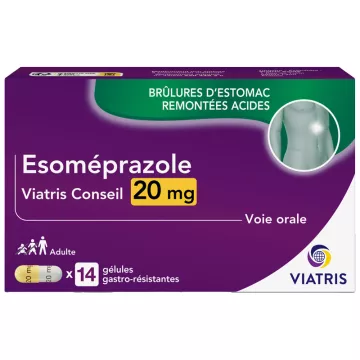
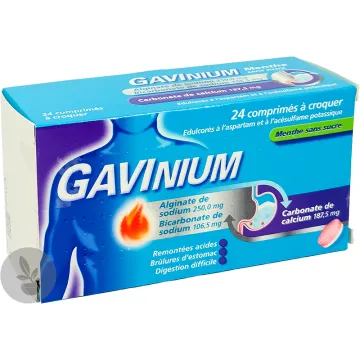
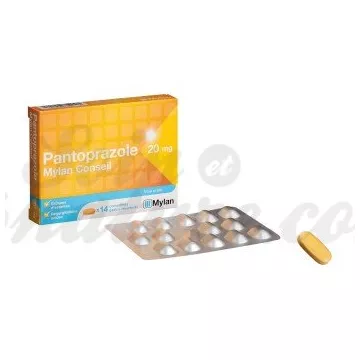
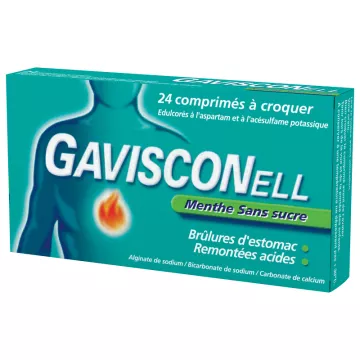
In adults, management combines lifestyle changes, antacids, alginates, short-term PPI therapy by prescription in cases of documented symptoms, and, more rarely, anti-reflux surgery.Prolonged self-medication with PPIs without medical advice should be avoided due to potential long-term side effects. Specific resources are available to improve digestion, relieve indigestion, and address stomach discomfort in general. Your pharmacist remains a valuable resource for guiding your care, in addition to appropriate pediatric or medical follow-up.