What basic care should be provided for an infant?
Basic infant care is based on four inseparable pillars that should be established as soon as the baby leaves the hospital:
- Feeding on demand or as recommended by the pediatrician, ideally through exclusive breastfeeding, or with infant formula
- Gentledaily hygiene: washing the face, regular diaper changes, and a bath every 2 to 3 days during the first few weeks to prevent the skin from drying out
- Safe sleep in a calm and suitable environment
- Medical supervision: a pediatrician in the first few days, followed by regular checkups recorded in the health record
The products used must be specially formulated for an infant’s immature and permeable skin. Our baby skin care section offers a selection tailored to this particular sensitivity. Skin-to-skin contact and gentle words contribute just as much to the baby’s development as physical care.
How can you feed an infant effectively?
An infant’s feeding patterns change rapidly during the first few months. Key guidelines:
- Exclusive breastfeeding recommended by the WHO until 6 months: on demand, day and night, averaging 8 to 12 times per 24 hours during the first few weeks
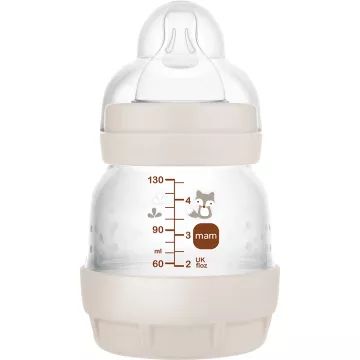
- Infant formula as an alternative: choose an appropriate stage 1 formula; prepare bottles using the exact proportions (1 scoop per 30 mL of low-mineral-content water)
- Mixed feeding is possible: combine breastfeeding and bottle-feeding according to the family’s needs and preferences
- Frequent physiologicalspitting up: burp the baby and keep the baby in a semi-upright position after feedings—if spitting up is excessive, talk to your pediatrician
- Solid foods should be introduced gradually between 4 and 6 months, as advised by a healthcare provider
The weight gain curve—weekly at first, then monthly—remains the best indicator of whether the baby is getting enough nutrition. Any concerns can be addressed by your pediatrician or pharmacist during a visit.
What are the best practices for infant sleep?
Safe sleep is one of the areas where prevention is most effective. Official recommendations fromthe HAS and the French Society of Pediatrics:
- Alwaysplace the baby on their back tosleep; never on their stomach or side
- A crib that meets safety standards (NF EN 716), with a firm mattress that fits snugly, leaving no gaps
- No objects in the crib: no crib bumpers, comforters, blankets, pillows, bulky stuffed animals, or plush toys during the first few months
- A season-appropriate sleep sack to keep the baby warm at night
- Room temperature between 18 and 20 °C
- Ventilate the roomregularly
- No smoking in the baby’s environment
- Co-sleeping is recommended in the same room as the parents until 6 months of age
Strictly following these guidelines significantly reduces the risk of sudden infant death syndrome (SIDS). For persistent sleep disturbances beyond 6 months, consulting a pediatrician can help rule out a medical cause.
How can you detect common illnesses in infants?
Parental vigilance regarding changes in behavior is invaluable during the first few months. Common signs to watch for:
- Changes in appetite: prolonged refusal to breastfeed or take a bottle
- Changes in sleep patterns: excessive drowsiness or unusual irritability
- Unconsolable and unusualcrying
- Fever above 38 °C before 3 months of age → pediatric emergency
- Digestive problems: diarrhea, repeated vomiting, severe bloating
- Respiratory difficulties: rapid breathing, retractions, cyanosis
- Newskin rashes, hives
- Paleness or cyanosis of the face or extremities
- Hypotonia: floppy baby, unresponsive
Fever in an infant under 3 months of age, breathing difficulties, seizures, a bulging fontanelle, or a sudden deterioration in overall condition require calling 15 or an immediate visit to the pediatric emergency room. Infant colic, although benign, must also be properly diagnosed to ensure it is not masking another underlying cause.
How important are vaccinations for infants?
Infant vaccinations represent one of the major public health advances that protect both the child and the community. Key benefits:
- Protection against diphtheria, tetanus, pertussis, and polio
- Prevention of severe infections caused by Haemophilus influenzae type b
- Protection against hepatitis B
- Protection against invasive pneumococcal and meningococcal C infections
- MMR (measles, mumps, rubella) vaccination starting at 12 months
- Contribution toherd immunity, which protects infants who are too young or immunocompromised
The 2024 French immunization schedule calls for 11 mandatory vaccinations for infants born on or after January 1, 2018. The first dose is typically administered at 2 months of age. Adhering to the scheduled dates ensures maximum effectiveness of vaccination coverage. If you have any questions about contraindications or expected side effects, please ask your doctor or pharmacist.
What are the signs of normal development in infants?
Key developmental milestones serve as guidelines, provided you respect each child’s individual pace:
- 0–1 months: sucking reflexes, fixed gaze, follows sounds
- 1–2 months: smiles in response, brief vocalizations, lifts head while lying on stomach
- 2–3 months: follows objects with eyes, opens hands, coos
- 3–4 months: holds head upright, reaches for objects on purpose, laughs out loud
- 4–6 months: rolls over, reaches for feet, babbles, recognizes familiar faces
- 6 months: sits up with support, then without, manipulates objects, first syllables
Any prolonged delay in these milestones, apparent regression, or loss of interest in interactions warrants a pediatric evaluation. Early screening significantly improves the prognosis for potential developmental disorders. To track your baby’s growth month by month, these milestones remain a reassuring tool.
How do you choose skincare products for an infant?
A newborn’s skin is three to five times thinner than an adult’s. Choosing skincare products requires careful consideration:
- Formulas with as few ingredients as possible
- Fragrance-free, alcohol-free, and dye-free
- Free of endocrine disruptors: avoid parabens, phenoxyethanol (for diaper area care), phthalates, and harsh sulfates
- Hypoallergenic and tested under dermatological and pediatric supervision
- pH levels that respect the delicatehydrolipidic film
- Strict certifications: Cosmebio, Ecocert, organic certifications
- Suitable packaging: pump bottles or tubes to minimize contamination
Keep your routine to the essentials: a gentle body and hair cleanser, a moisturizing lotion, a liniment or diaper rash cream, and a protective treatment for redness. Always ask your pharmacist for advice before introducing a new product, especially if there is a family history of atopic skin. Our selection for babies with dry skin meets these criteria for gentleness.
How to manage teething in infants?
Teething typically begins around 6 months, sometimes as early as 3 months. Common symptoms include:
- Excessive drooling
- A compulsive urge to chew
- Swollen, red gums
- Red, warm cheeks, sometimes on only one side
- Irritability, crying easily
- Temporary sleep disturbances
- Temporary refusal to take the bottle or breast
- Stools may be looser
To soothe:
- Chilled teething rings (never frozen)
- Gently massage the gums with a clean finger or a cool compress
- Age-appropriate cold, solid foods under close supervision
- Absorbent bibs to manage drooling
- Soothing cuddles and holding
The pediatrician may prescribe a gum gel or an appropriate pain reliever in cases of severe pain. Warning: High fever, severe diarrhea, or vomiting are not caused by teething. A medical cause should be investigated. To help your baby through this stage, follow the pharmacist’s advice for your baby’s first teeth.
Why is reading important for an infant?
Early reading plays a crucial role in an infant’s overall development, long before they understand words:
- Stimulates language acquisition and enriches passive vocabulary
- Develops concentration and sustained attention
- Sharpens auditory skills and memory
- Creates moments of parent-child bonding that strengthen the attachment
- Fosters an interest in books and future learning
- Calms evening routines and helps children fall asleep
Start in the first few weeks with cloth books and thick board books featuring high-contrast images (black and white, then bright colors) and a variety of textures. Use a soft, expressive voice, and respect your baby’s attention span. Just a few minutes a day is more than enough to reap these valuable benefits.
How can you childproof your home for the arrival of a newborn?
Making your home safe prepares for the stages when the baby will become more mobile. Implement these measures as soon as you leave the hospital or before the baby starts rolling over:
- Baby’s room: a crib that meets safety standards, a changing table with a safety strap or high sides, and a room temperature of 18–20 °C
- Mandatorysmoke detectors in working order, and ideally a carbon monoxide detector if you have a gas furnace
- Outlet covers on all accessible outlets
- Drawer and cabinet locks, especially for household cleaning products, medications, and sharp objects
- Safety gates at the top and bottom of stairs as soon as the baby starts crawling
- Table corners protected with foam guards
- Furniture secured to the wall to prevent tipping
- Medications and hazardous products stored out of reach and locked away
- Bathwater temperature should always be checked to ensure it is 37 °C
- Bath safety: Never leave a baby alone, even for a few seconds
This gradual preparation makes daily life safer and gives new parents peace of mind. Any ingested substance or suspected poisoning should prompt an immediate call to the poison control center or 15.