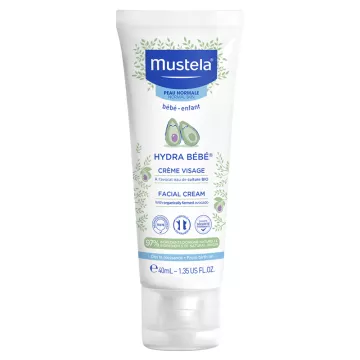
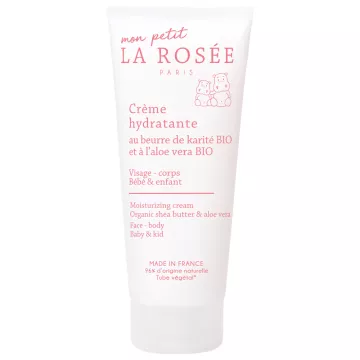
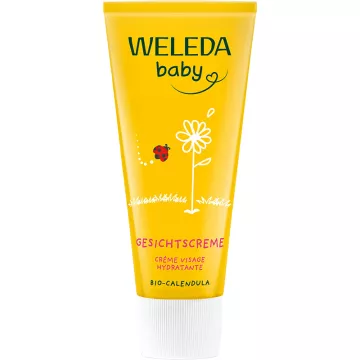
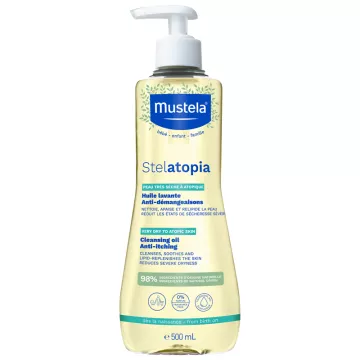
What is dry skin in babies?
An infant’s skin is thinner, more permeable, and more fragile than an adult’s. The skin barrier, which is still immature, struggles to retain moisture and defend against external irritants. This fragility explains the frequency of dry skin episodes, particularly during the first few months and in harsh weather.
Dry skin can be recognized by several signs: a rough or scratchy texture, fine flakes, a tight feeling, subtle redness, and sometimes visible flaking after a bath. The most commonly affected areas are the cheeks, the area around the eyes, the arms, the legs, and the torso. As long as the baby isn’t experiencing significant discomfort, dry skin is generally harmless and will resolve with appropriate care. For infants and babies in general, additional resources are available.
What are the possible causes?
Several factors can cause long-term damage to an infant’s skin:
- Dry indoor air: indoor heating in winter, air conditioning in summer, low humidity
- Baths that are too frequent or too hot: strip away natural protective lipids
- Inappropriate personal care products: harsh soaps, strong sulfates, fragrances, aggressive preservatives
- Rubbing against synthetic or rough fabrics
- Wind and cold, which disrupt the skin’s hydrolipidic film
- Sun and UV rays, which eventually weaken the skin barrier
- Scented laundry detergents and fabric softeners that aren’t rinsed out thoroughly
- Hard water that dries out the skin over time from bathing
- Family history of dry skin or atopic dermatitis
Identifying the trigger(s) allows you to adjust your daily routine. Most cases of dry skin in infants resolve quickly with a simplified skincare regimen and proper moisturization.
How should you moisturize your baby’s skin?
Daily moisturizing is the cornerstone of care. A few simple principles guide the routine:
- Apply to slightly damp skin immediately after bathing (within 3 minutes) to lock moisture into the skin
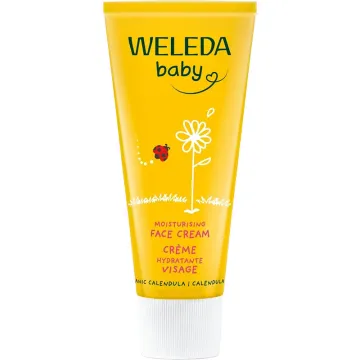
- Apply emollient cream1 to 2 times a day all over the body, more frequently on very dry areas
- Gently massage in circular motions, without rubbing
- Emollient creams or lotions: cold cream, emollient balms for atopic skin, formulas containing ceramides, glycerin, and shea butter
- Mild plant-based oils: sweet almond, calendula, as a supplement or alternative
- Thermal water sprays for occasional soothing
Forsweet almond and calendula in general, specific resources are available. Consistency is more important than quantity: it’s better to apply the product morning and night than just once in large amounts.
How often should you bathe your baby?
Daily bathing can continue if your baby enjoys it, provided you follow a few rules to protect the skin barrier:
- Short duration: 5 to 10 minutes maximum
- Lukewarm water: 37°C, never hot (check with a thermometer or your elbow)
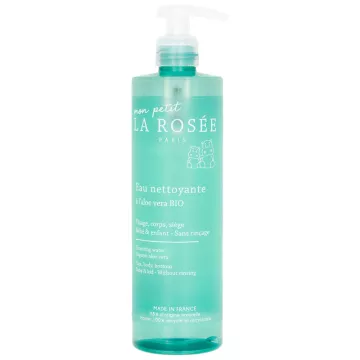
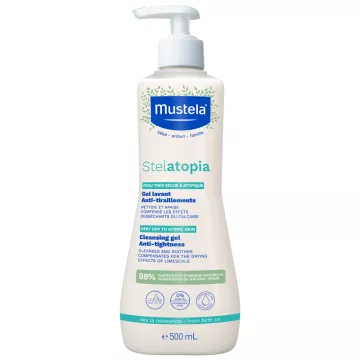
- A gentle, soap-freecleanser specifically formulated for infants, free of harsh sulfates and fragrances
- No regularbubble bath: too harsh
- Superfatted cleansing oils or soap-free bars (syndets) for very dry skin
- Rinse thoroughlywith clean water
- Pat dry with a soft towel, without rubbing
- Apply an emollient creamimmediately to skin that is still damp
For very dry or atopic skin, limiting full baths to 2–3 times a week and performing a daily partial wash (face, hands, bottom) remains a viable option. Specific resources are available for baby care in general.
Which products should you choose?
The choice of skincare products directly affects skin tolerance:
- Cold cream: a water-in-oil emulsion rich in beeswax, a classic choice for dry skin
- Emollient creams for atopic skin: Cetaphil, Lipikar, Atoderm, Xeracalm, Dexyane, and equivalents
- Pureshea butter orshea butter in cosmetic formulations: nourishing and protective
- Sweet almond oil: for topical use in massage (unless there is a family history of nut allergies)
- Glycerin, hyaluronic acid: gentle moisturizing agents
- Ceramides and fatty acids: help restore the skin barrier
- Thermal waters (Avène, La Roche-Posay, Uriage): recognized for their soothing properties
- Well-known brands available at pharmacies or drugstores
Avoid: fragrances, high-proof alcohols, concentrated essential oils in infants, harsh soaps, strong sulfates, allergenic preservatives (MIT, formaldehyde, and precursors), and adult products not suitable for children. A 24- to 48-hour patch test is recommended for any new product.
When should you see a doctor?
Simple skin dryness does not require a routine medical consultation. However, several situations warrant a pediatric or dermatological evaluation:
- Persistence despite a properly followed skincare routine for 2 to 3 weeks
- Appearance of red, itchy, oozing patches (suspected atopic dermatitis)
- Severe itching that disrupts the baby’s sleep
- Scratch marks, sores, or scabs
- Signs of infection: oozing, honey-colored crusts, intense redness, localized warmth
- Rapid spread or worsening
- Family history of atopy (eczema, asthma, allergies)
- Fever or altered general condition
- Doubt regarding the diagnosis versus another skin condition
Depending on the diagnosis, the pediatrician may prescribe a prescription emollient cream (reimbursed in some cases for confirmed atopic dermatitis) or a low-potency topical corticosteroid for a short course of treatment. Specific resources are available foreczema in general.
How can you prevent it on a daily basis?
Several simple steps can help maintain long-term skin comfort:
- Humidify the bedroom: ideal humidity level between 40 and 60%; use a humidifier or place a damp cloth on the radiator in winter
- Room temperature: 18 to 20 °C; avoid overheating
- Natural-fiber fabrics: prefer cotton, linen, bamboo, and silk; avoid synthetics in direct contact with the skin
- Hypoallergenic, fragrance-freelaundry detergent; rinse twice; do not use fabric softener
- Wash new clothes before wearing them for the first time to remove finishes and residues
- Protection from wind and cold: hat, mittens, protective balm on the cheeks
- Oral hydration for children who have started solid foods; ensure infants receive enough milk
- A balanced diet that includes essential fatty acids (vegetable oils, fatty fish once solid foods are introduced)
- Appropriatesun protection from a very young age (mineral sunscreens, covering clothing, shade)
Specific resources are available forbaby nutrition,soothing baby skin, and generalbaby skin irritation. Your pharmacist remains a valuable resource for tailoring your child’s routine to their individual needs, in addition to regular pediatric follow-up.