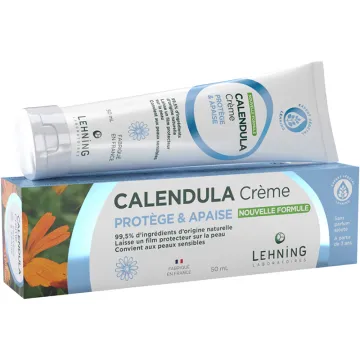
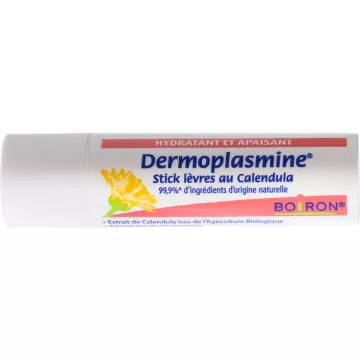
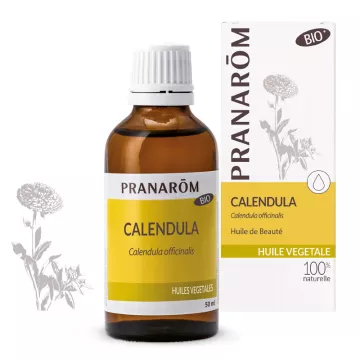
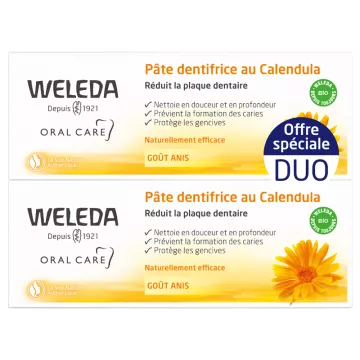
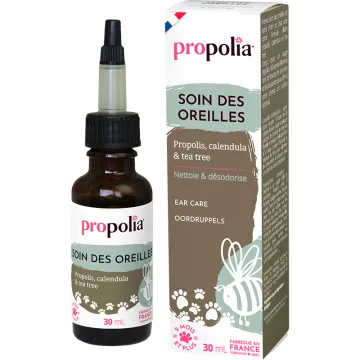
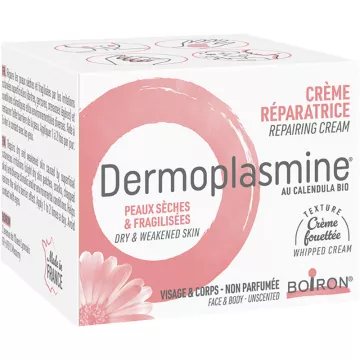
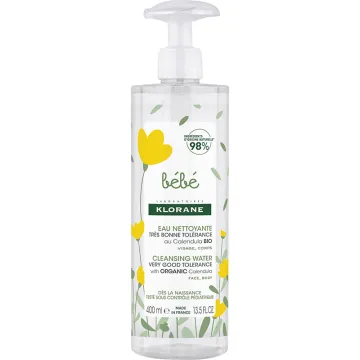
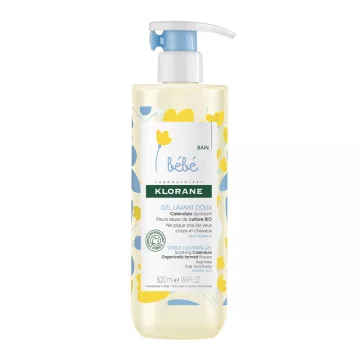
Calendula (Calendula officinalis), also known as the common marigold, is a plant with bright orange flowers belonging to the Asteraceae family, which has been used for centuries in herbal medicine and cosmetics. It is the flowers (Calendulae flos) that are used, which are rich in flavonoids (quercetin, isorhamnetin), carotenoids (lycopene, beta-carotene), and triterpene saponins. These compounds account for its reputation as a soothing and restorative active ingredient, one of the most widely used in skincare products for sensitive and fragile skin. Calendula is primarily used topically (in creams, balms, and oil macerates) and, less commonly, as a tea for oral comfort.
The EMA (European Medicines Agency) recognizes calendula for traditional use in several indications. For external use: symptomatic treatment of minor skin inflammations (mild sunburn) and support for the healing of small, superficial wounds. For local use in the oral cavity: treatment of minor inflammation of the lining of the mouth and throat. This recognition is based on long-standing traditional use. For deep, extensive wounds, or those showing signs of infection, a medical consultation remains essential.
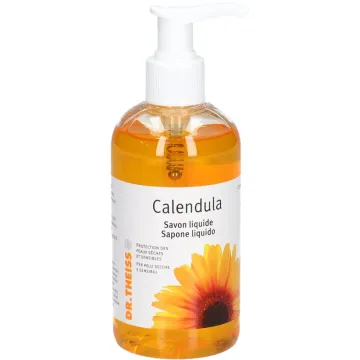
Calendula is a go-to active ingredient for soothing irritated and reactive skin:
Its compounds help soothe and maintain the skin barrier in fragile skin, with excellent tolerance.
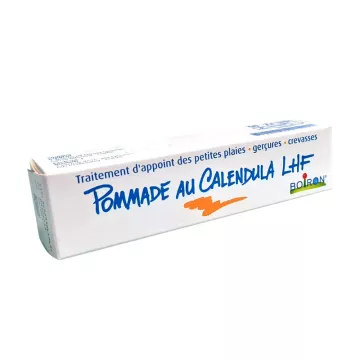
To support the healing of superficial wounds and minor burns, calendula should be applied after cleaning the area with a mild antiseptic. Apply a calendula-based ointment or balm 2 to 3 times a day to clean skin until improvement is seen. It promotes comfort and epidermal healing while maintaining an environment conducive to skin repair. The oily macerate is suitable for dry and fragile areas. In the case of deep wounds, extensive burns, signs of infection (extensive redness, warmth, pus), or persistent pain, a medical consultation is essential. Do not apply to a soiled, uncleaned wound.
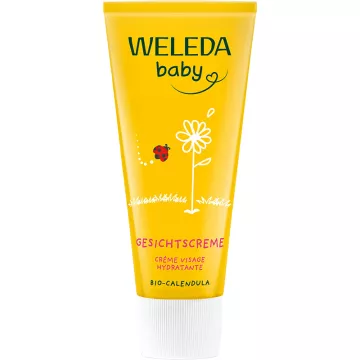
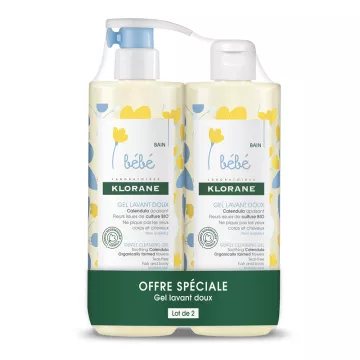
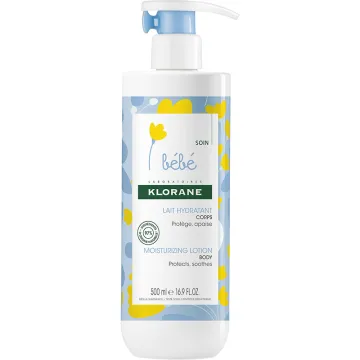
Thanks to its excellent tolerability, calendula is traditionally used in baby diaper rash care and for treating dry skin in infants. It is found in many liniments, diaper creams, and baby balms, where it helps soothe fragile skin prone to irritation. Its gentleness makes it a frequent choice among dermo-cosmetic laboratories for formulations designed for delicate skin. For infant care, choose products specifically formulated for this purpose, free of added fragrances and allergens. A patch test on a small area is still recommended, even for dedicated products. In case of persistent, weeping, or widespread diaper rash, consult a healthcare professional.
For comfort in the mouth and throat, calendula can be used as an infusion of dried flowers, a mouthwash, or a gargle. Prepare an infusion using one teaspoon of dried flowers per 250 ml of simmering water; let it steep for 10 minutes, strain, and allow it to cool to lukewarm before using as a gargle. This preparation may help soothe throat and oral mucosa irritation in cases of mild inflammation. The infusion can also be drunk for its traditional soothing properties. This use is not a substitute for medical advice in cases of persistent sore throat, fever, or difficulty swallowing. Follow the recommended dosages.
Calendula is generally very well tolerated, but some precautions are necessary. People allergic to plants in the Asteraceae family (daisy, chamomile, arnica, dandelion, ragweed) should exercise caution due to the risk of cross-allergy, which is common within this botanical family. A patch test on the inner elbow for 48 hours is recommended before first use. Pregnant or breastfeeding women may use calendula topically on small areas but should seek professional advice for prolonged internal use (as a tea). Do not apply to a soiled or infected wound without cleaning it first. If you have an underlying skin condition or persistent symptoms, consult a healthcare professional. Avoid contact with the eyes. Store products away from light and heat.
Several criteria help identify a reliable product. For dried flowers and herbal teas, the Bio AB or Ecocert certification guarantees the absence of pesticide residues, which is important for a plant whose flowers are consumed or applied topically. The bright orange color of the dried flowers indicates their freshness (a dull hue suggests oxidation). For oil macerates, check that the carrier oil (olive, sunflower, sweet almond) is listed and that the product was cold-pressed. For creams and balms, check the position of calendula in the INCI list and opt for fragrance-free formulations for sensitive skin.The origin and cultivation method must be specified. Appropriate packaging (an opaque bottle for oils, an airtight tube for balms) helps preserve the stability of the active ingredients.