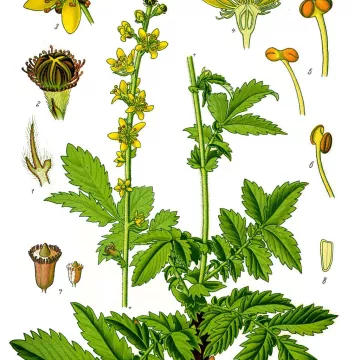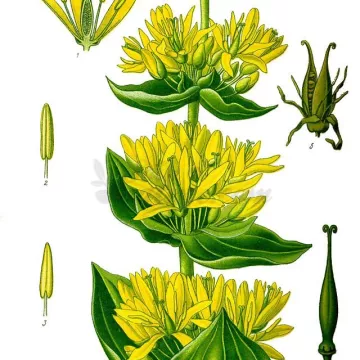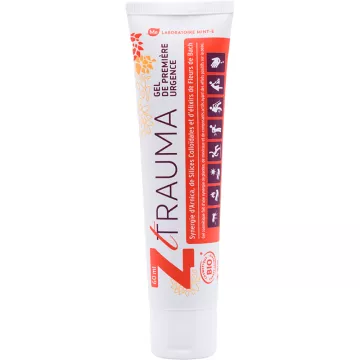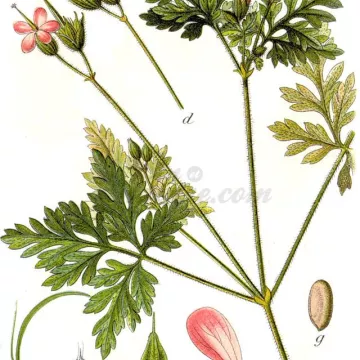
Several plants have documented healing, hemostatic, and antiseptic properties for the natural treatment of superficial wounds:
These plants are used as cooled infusions (compresses), diluted mother tinctures, or standardized ointments, always applied to clean, disinfected wounds.
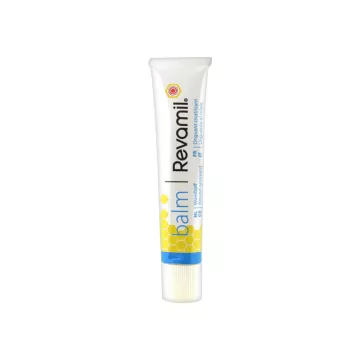
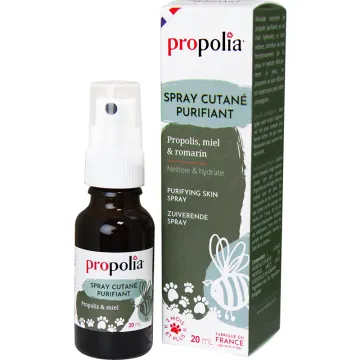
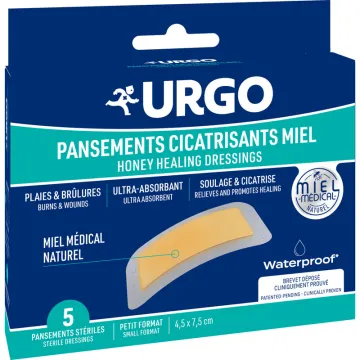
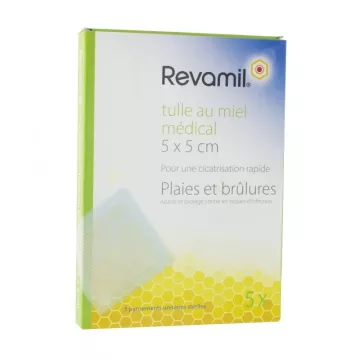
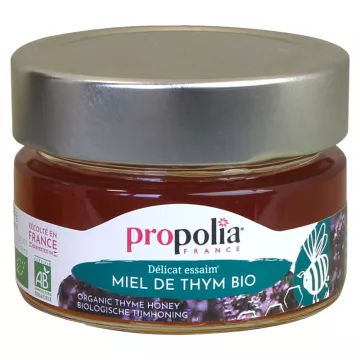
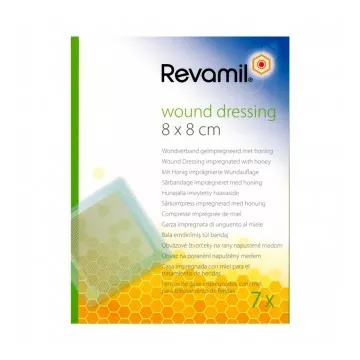
Medical honey (Manuka honey or gamma-irradiated sterile L-Mb honey) is an active biological dressing used in professional wound care. It has multiple mechanisms of action: direct antibacterial activity (hydrogen peroxide, methylglyoxal inhibiting biofilms), an acidic environment (pH 3.5–4.5) hostile to pathogens, maintenance of a moist healing environment, and gentle osmotic debridement of necrotic tissue. Clinical studies support its use for chronic wounds (pressure ulcers, venous ulcers, diabetic wounds) that are resistant to conventional dressings. It is available as a balm (for over-the-counter topical use) or as an impregnated dressing (medical device; consultation with a pharmacist is recommended).
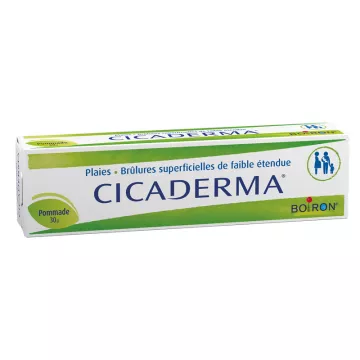
The homeopathic ointment Cicaderma (calendula, hypericum, belladonna, echinacea) is applied topically to small superficial wounds, scrapes, and chapped skin. Hypericum perforatum is the standard remedy for wounds in areas rich in nerve endings (fingers, toes, back) and for painful penetrating wounds. Calendula (granules or ointment) is recommended for wounds with clean edges (cuts, incisions). Staphysagria is suitable for surgical wounds. These remedies should be used in addition to proper disinfection and an appropriate dressing—never as a substitute for them.
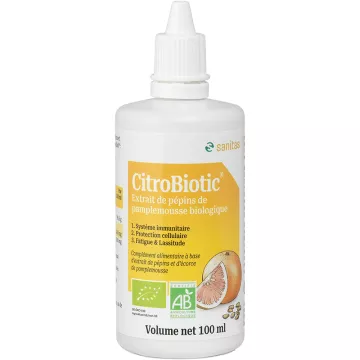
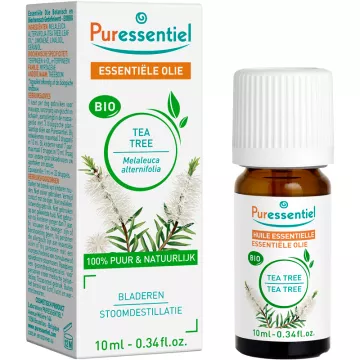
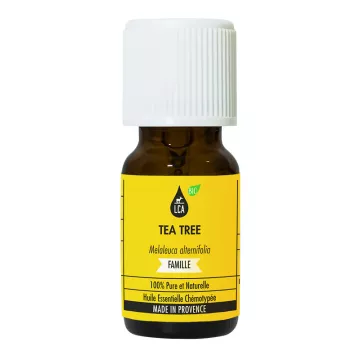
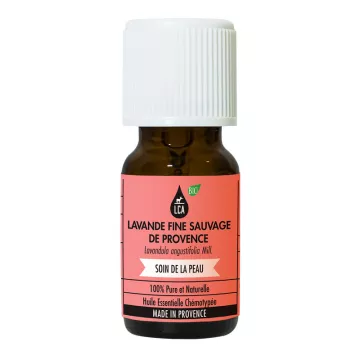
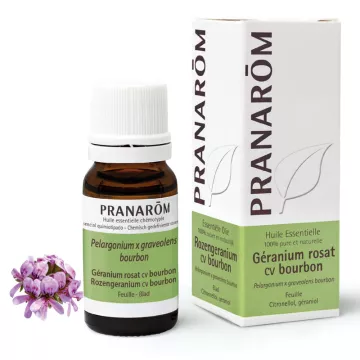
Tea tree essential oil (Melaleuca alternifolia, with 30–40% terpinene-4-ol as the major component) is antibacterial (Gram-positive and Gram-negative), antifungal, and antiviral—with documented efficacy against methicillin-resistant Staphylococcus aureus (MRSA) in vitro. It is used diluted to 5–10% in a vegetable oil on small bruises and disinfected superficial wounds. Never apply undiluted to mucous membranes or deep, open wounds. Grapefruit seed extract is a complementary, broad-spectrum natural antiseptic that can be used in diluted form to clean minor, superficial wounds.
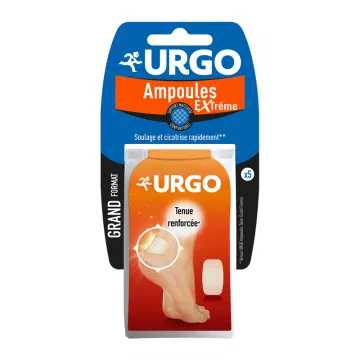
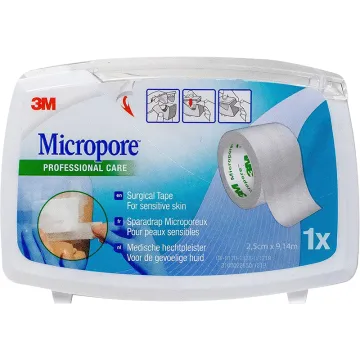
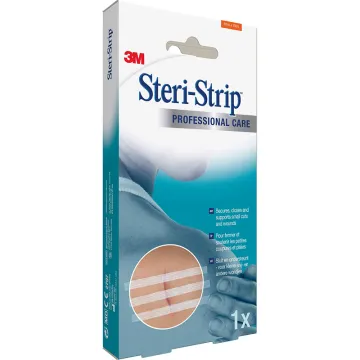
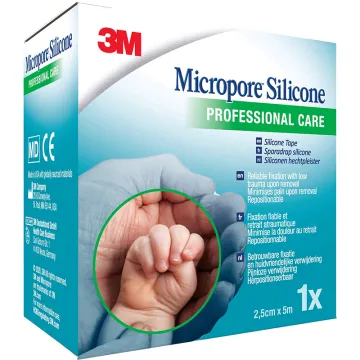
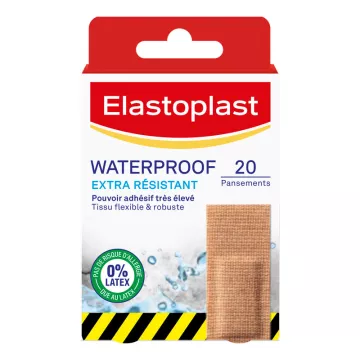
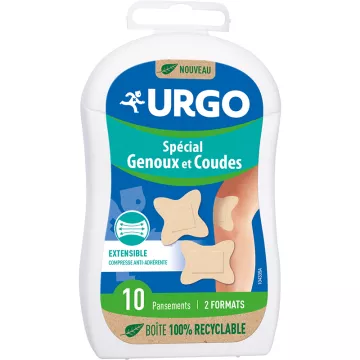
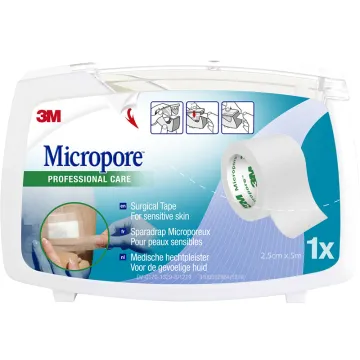
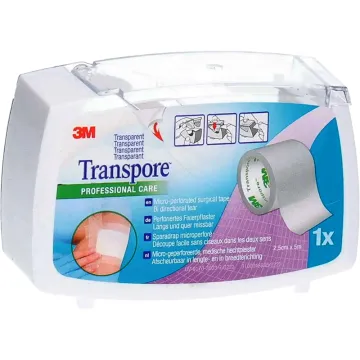
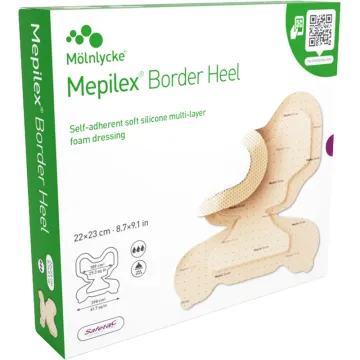
Microporous adhesive bandages (hypoallergenic acrylic adhesive, natural rubber-free) provide a secure hold without causing skin trauma upon removal—ripping off traditional bandages is a common cause of additional injury to fragile skin or in older adults. Skin fissures (around the nails, on the lips, or on the fingers) benefit from microporous adhesive bandages, which keep the edges of the fissure in contact without completely occluding the area. These bandages are also used to hold medical honey dressings or calendula compresses in place.