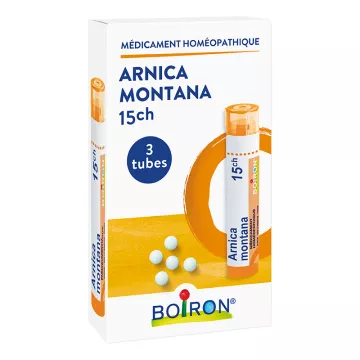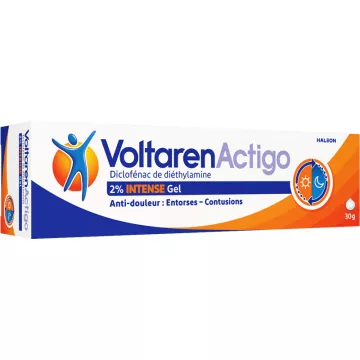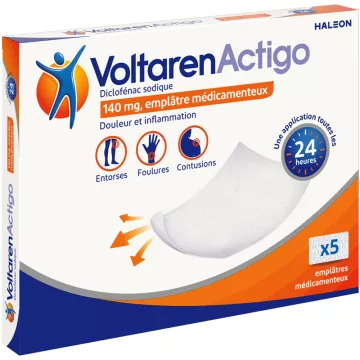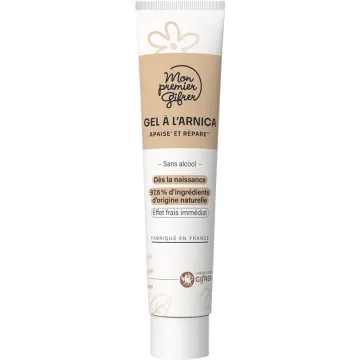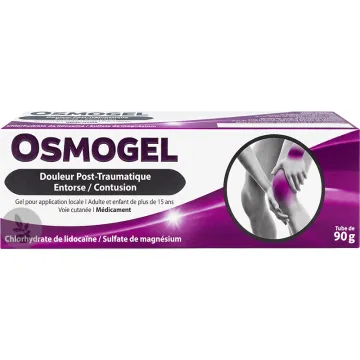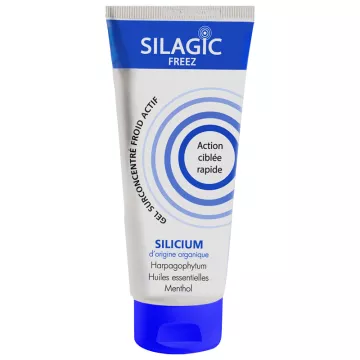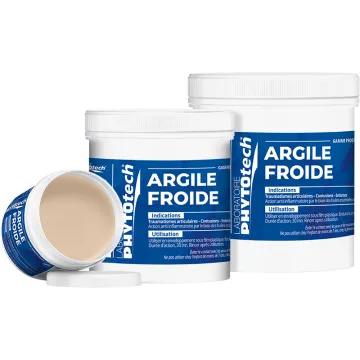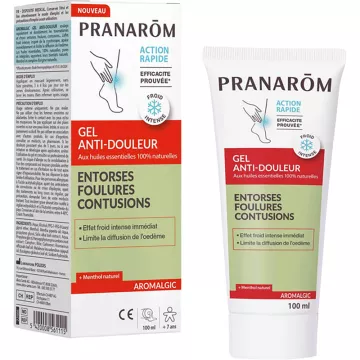

A bruise is a closed traumatic injury caused by an impact, without a wound or break in the skin. The impact ruptures small subcutaneous blood vessels, causing blood to leak into the surrounding tissues: it is this accumulation of blood that forms the hematoma, visible as a bruise. Comfrey is traditionally used topically to aid in the resolution of hematomas, applied locally to intact skin.
The characteristic color of a bruise changes as it heals: purplish-red in the first few hours, then blue-black as hemoglobin breaks down, greenish after a few days with the formation of biliverdin, and finally yellowish as it resolves, with the appearance of bilirubin. This cycle generally lasts one to two weeks, depending on the depth and extent of the initial bleeding.Witch hazel, known for its vasoconstrictive properties, is traditionally applied to visually accompany this resorption phase.
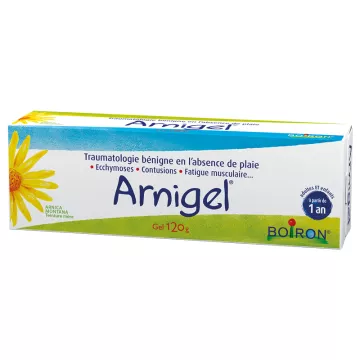
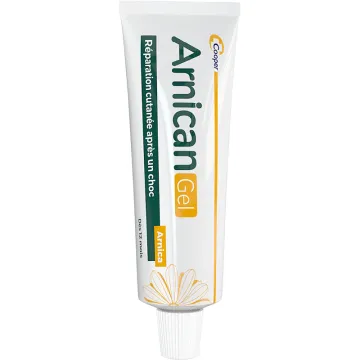
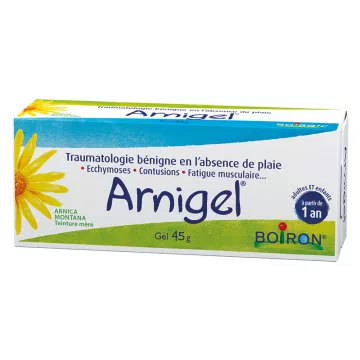
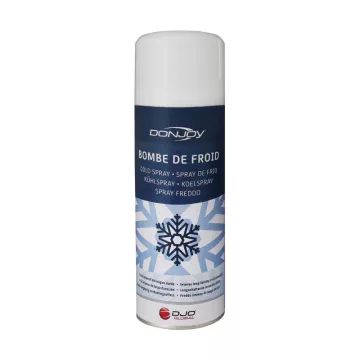
Immediate treatment for a bruise follows the standard protocol of cold and rest: apply an ice pack wrapped in a cloth (never directly on the skin) for 15 to 20 minutes, several times during the first few hours, to limit the extent of subcutaneous bleeding. Elevating the bruised area whenever possible also reduces swelling.Arnica montana, applied topically as a gel or in a homeopathic preparation, is the standard remedy traditionally associated with this initial treatment.
In addition to topical application, certain active ingredients taken orally are traditionally used to support the resolution of bruises. Bromelain, an enzyme extracted from pineapple stems, is being studied for its effect on local inflammatory processes and may promote faster resorption of the hematoma when taken in the first few days following the injury.
Vitamin C contributes to the normal formation of collagen, a structural component of blood vessel walls; an adequate intake therefore indirectly supports the strength of small blood vessels and may help reduce the occurrence of frequent bruising in people with insufficient intake. It does not treat a bruise that has already formed but is part of a long-term preventive approach, particularly for people prone to spontaneous bruising.
A medical consultation is necessary in cases of a very large or painful hematoma, suspected associated fracture, severe pain and swelling that worsens despite cold therapy, or if you are taking anticoagulant medication. Frequent bruises that are disproportionate to the impact sustained, with no obvious traumatic cause, also warrant a medical evaluation to investigate an underlying cause. Turmeric can complement a comprehensive anti-inflammatory approach using herbal medicine, as a supplement to—not a replacement for—professional medical advice if symptoms persist.