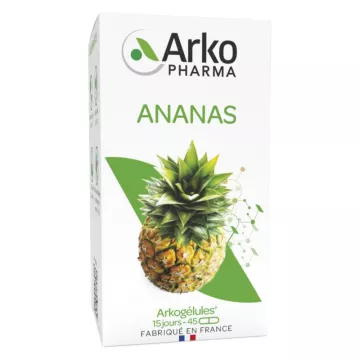
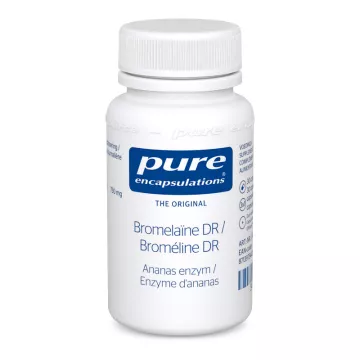
Bromelain is a proteolytic enzyme naturally found in the stem and fruit of the pineapple (Ananas comosus). Its role is to break down proteins into smaller fragments (peptides and amino acids). It is this property that explains its traditional use in aiding protein digestion. Beyond this digestive use, bromelain is being studied for other properties, but it is important to establish a clear distinction: it is an enzymatic dietary supplement, not a medication. Some of its properties (notably its effect on blood flow) call for extreme caution and medical advice, particularly when undergoing medical treatment. Bromelain is part of an approach to digestive comfort and well-being, serving as a complement—never a substitute—for medical care for any health condition.
The most well-established use of bromelain is for digestive comfort. Asa proteolyticenzyme, it helps break down complex dietary proteins:
For this purpose, it is generally taken before or during meals. It is in the area of digestive comfort that bromelain finds its most widely accepted and best-tolerated application.
Bromelain is the subject of research for other uses, which should be presented with caution and nuance. It is traditionally used to support joint comfort and post-exercise well-being, and some studies are examining its role in reducing edema and swelling, particularly following trauma. However, claiming that it “reduces inflammation,” “relieves arthritis,” or “accelerates wound healing” goes beyond what the data can definitively establish: these uses fall within a medical context and should not be used as a justification for self-medication. Similarly, its purported effect on blood flow does not make it a substitute for cardiovascular treatments; on the contrary, it is a reason for caution (see precautions). Bromelain may contribute to comfort as part of a wellness regimen, but joint pain (such asosteoarthritis orarthritis) or persistent swelling requires a medical diagnosis and follow-up.
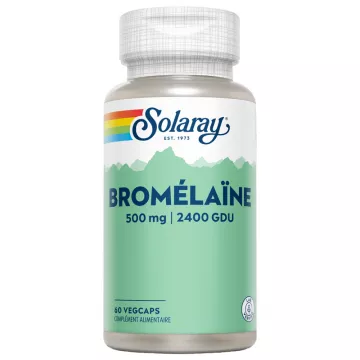
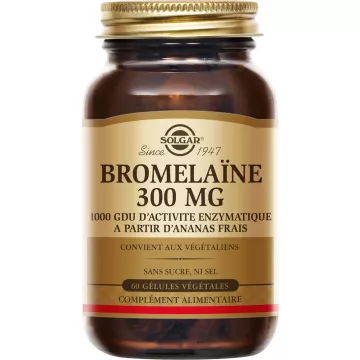
Bromelain occurs naturally in fresh pineapple (especially the core), but only in small amounts; supplements provide a more concentrated and standardized dose. The dosage depends on the intended use and should always follow the manufacturer’s instructions. As a general guideline, it is often recommended to take it before meals for digestive comfort, and higher doses for other uses; however, higher doses should be taken under the supervision of a healthcare professional. Bromelain is sometimes expressed in units of enzymatic activity (GDU or MCU), which is useful information for comparing products. Rather than aiming for high doses through self-medication, it is recommended to consult a doctor or pharmacist to determine the appropriate dose for your situation and rule out any interactions. Starting with a low dose allows you to assess your tolerance. This precaution is especially important because bromelain can interact with several medications.
Although bromelain is generally well tolerated, it requires serious precautions. Adverse effects may include digestive disorders (nausea, diarrhea) and allergic reactions in people who are sensitive to pineapple. Regarding drug interactions, caution is essential:
It is therefore essential to consult a doctor or pharmacist before combining bromelain with any medication, and to avoid taking it before surgery (risk of bleeding). It is not recommended during pregnancy and breastfeeding (due to its anticoagulant effect and the risk of uterine contractions). If you are allergic to pineapple, avoid it. This precaution is crucial, as bromelain is often taken by people already on medication.
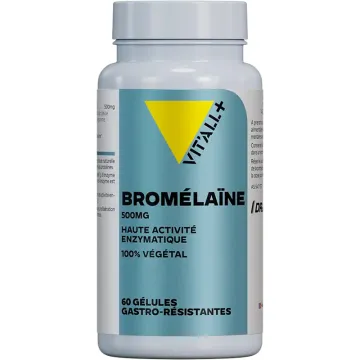
To choose a high-quality bromelain supplement, several criteria should guide your selection:
For a gentle and natural source, eatingfresh pineapple remains a pleasant option, even though its bromelain content is modest. Concentrated supplements are suitable for more targeted use, ideally after consulting a healthcare professional. Available at pharmacies, health food stores, and specialty shops. Regardless of the product, it is recommended to seek medical advice before starting a course of treatment, particularly for individuals currently undergoing medical treatment or with a medical condition.