What is indigestion (dyspepsia) and how can you recognize it?
Indigestion —or dyspepsia—is a set of epigastric symptoms that occur after meals, with no identifiable organic lesion in 70% of cases (functional dyspepsia). It is distinct from slow digestion (delayed gastric emptying) and gastritis (identified mucosal inflammation). Our line of digestive enzymes offers targeted active ingredients.
- Typical epigastric symptoms: postprandial fullness, early satiety (feeling of a full stomach from the start of a meal), epigastric pain or burning, nausea, excessive belching
- Functional dyspepsia: no identifiable lesions on endoscopy — Rome IV criteria (symptoms for > 6 months) — mechanism: visceral hypersensitivity + impaired gastric motility + brain-gut axis
- Organic dyspepsia: identifiable cause—gastroduodenal ulcer, GERD, H. pylori gastritis, exocrine pancreatic insufficiency—treatment of the underlying cause
- Helicobacter pylori: a bacterium present in 50% of French adults — colonizes the gastric mucosa — the leading cause of chronic gastritis and ulcers — diagnostic tests (breath test or stool test) allow for diagnosis without endoscopy
- Red flags (urgent consultation): weight loss > 5%, repeated vomiting, dysphagia, blood in the stool, onset > age 55 with no prior history → upper endoscopy is essential
Common causes and aggravating factors
- Diet: large, hurried meals; fatty foods (slow gastric emptying); spices; coffee; alcohol—see our solutions on our “Improve Digestion” page
- Chronic stress: activates the sympathetic nervous system → inhibits acid and enzyme secretion → impairs gastric emptying — a major factor in functional dyspepsia
- NSAIDs (nonsteroidal anti-inflammatory drugs): ibuprofen, aspirin, ketoprofen — inhibit prostaglandins that protect the gastric mucosa → drug-induced gastritis → ulcer
- Tobacco: increases acid production and delays ulcer healing — a major aggravating factor
- Mild enzyme deficiency: age-related hypochlorhydria (after age 60, reduced HCl production), pancreatic fatigue — digestive enzyme supplements are essential
Medical Treatments and Natural Ingredients for Dyspepsia
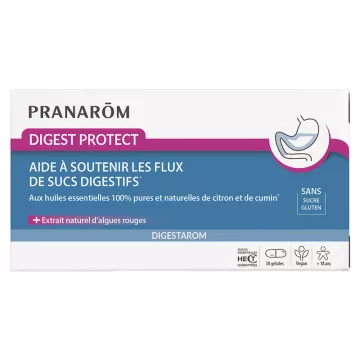
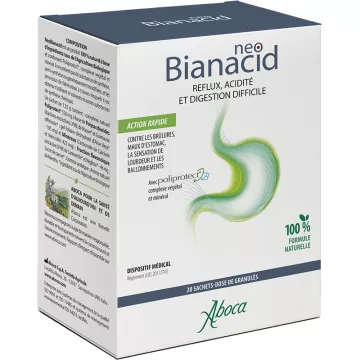
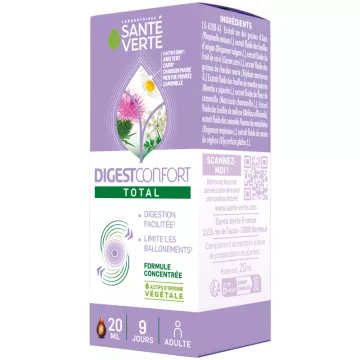
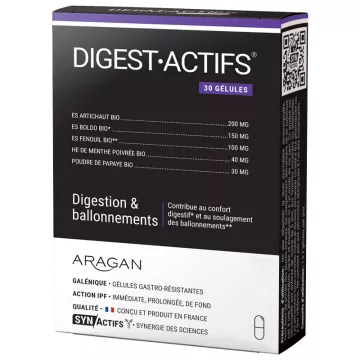
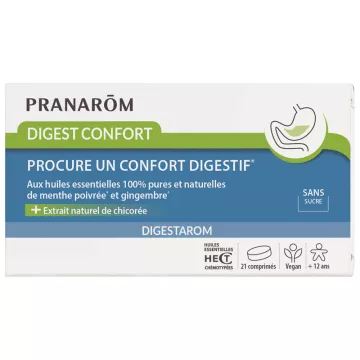
Discover natural digestive ingredients in our Digestive Comfort line.
- Confirmed H. pylori: triple antibiotic therapy (amoxicillin + clarithromycin + PPI) for 7–14 days — systematic eradication if positive — follow-up at 4 weeks
- PPIs (proton pump inhibitors): omeprazole, pantoprazole — reduce acidity — indicated for GERD, ulcers, and gastritis — short-term use preferred (≤ 4–8 weeks) to avoid magnesium and vitamin B12 deficiencies
- Ginger (Zingiber officinale): gastric prokinetic — accelerates gastric emptying — reduces nausea and postprandial fullness — 500–1,000 mg before meals
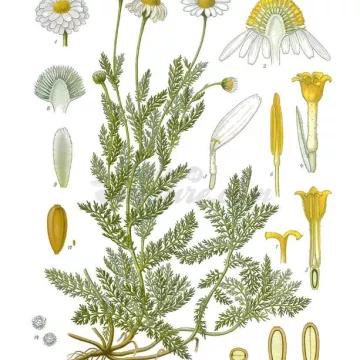
- Chamomile: anti-inflammatory and antispasmodic for the gastric mucosa — tea 3 times a day — soothes functional epigastric pain
- Artichoke (cynarin) + milk thistle (silymarin): stimulate bile secretion → improved fat digestion — see our page on digestive tonics
Prevention, lifestyle, and when to seek medical advice
- Spread out meals: 3 meals + 1–2 light snacks — avoid large stomach volumes (distension = pain) — eat slowly for at least 20–30 minutes
- Post-meal position: Do not lie down for 2–3 hours after eating—remain semi-seated or take a light walk—this reduces GERD and gastric stasis
- Stress management: cardiac coherence 3 times a day, meditation, yoga — the brain-gut axis directly regulates gastric motility and visceral sensitivity
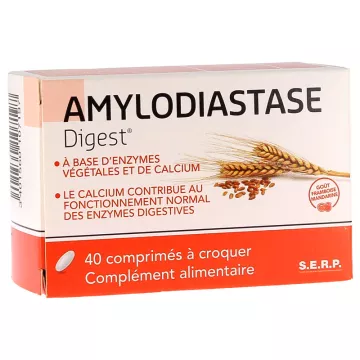
- Digestive enzymes with every main meal: lipase + amylase + protease — particularly useful after age 60 (hypochlorhydria) or with occasional NSAID use — see our line of digestive enzymes
- Seek medical advice if: symptoms persist for more than 4 weeks despite lifestyle and dietary changes, red flags are present, or symptoms begin after age 55—gastroscopy to rule out ulcers, H. pylori, and gastric cancer