What is gastritis, and how can you recognize it?
Gastritis is an inflammation of the stomach lining—either acute (sudden onset, may resolve within a few days) or chronic (slow progression; see our page on chronic gastritis). It results from an imbalance between aggressive factors and the protective barrier of the stomach lining. Arnaud, Ph.D. in Pharmacy, notes that any persistent gastritis lasting more than 4 weeks warrants an endoscopy with biopsies. Our line of digestive medications and supplements offers natural active ingredients that protect the mucosa.
- H. pylori gastritis: the leading cause worldwide—50% of adults are infected—diffuse antral inflammation → riskof ulcers and gastric cancer if not eradicated—diagnosis: 13C urea breath test or H. pylori antigen test in stool
- Drug-induced gastritis (NSAIDs): ibuprofen, ketoprofen, aspirin, diclofenac — inhibit COX-1 → reduced prostaglandin E2 → insufficient protective mucus — risk increased by 3–5 times — prevention: PPI + misoprostol or switch to acetaminophen
- Alcoholic gastritis: ethanol directly dissolves the protective mucus and irritates epithelial cells — hemorrhagic form possible (petechiae, erosions) — complete abstinence = the only curative treatment
- Stress gastritis: patients in intensive care (severe trauma, burns, sepsis) — hypoperfusion of the mucosa → stress ulcers — routine preventive PPI use in the ICU
- Autoimmune gastritis (type A): anti-parietal cell antibodies — progressive destruction of HCl-producing cells and intrinsic factor → Biermer’s anemia (B12 deficiency) — chronic atrophic form
Symptoms, diagnosis, and differentiation from peptic ulcers
- Typical symptoms: epigastric pain or burning (sometimes relieved, sometimes worsened by meals depending on the location) — nausea + vomiting — belching — loss of appetite — postprandial discomfort — see our hub on stomach pain
- Difference between gastritis and ulcers: gastritis = diffuse superficial inflammation — ulcer = deep localized erosion (submucosal) — ulcer pain is more intense and occurs in cycles with meals
- Gastric endoscopy (EOGD): visualizes inflammation, erosions, and the mucosa — routine biopsies (H. pylori + histology = type of gastritis, cancer risk) — essential if symptoms last > 4 weeks or red flags are present
- Noninvasive H. pylori tests: ¹³C urea breath test (sensitivity 95%, specificity 96%) — H. pylori antigen in stool — serology (less reliable for current activity) — to be performed after 2 weeks without PPI
- Red flags (urgent endoscopy): hematemesis, melena (black stools), dysphagia, weight loss > 5%, unexplained iron-deficiency anemia, onset > age 55
Medical Treatments and Natural Remedies for Gastritis
- Confirmed H. pylori → triple therapy: omeprazole 20 mg + amoxicillin 1 g + clarithromycin 500 mg × 2/day, 7–14 days — mandatory eradication follow-up at 4 weeks (breath test or fecal antigen test) — probiotics (Lactobacillus reuteri) during triple therapy reduce side effects by 40%
- PPIs (omeprazole, pantoprazole): reduce acidity → promote mucosal healing — 4–8 weeks — risk of Mg and B12 deficiency if used for > 6 months — should be tapered off gradually to avoid a rebound effect
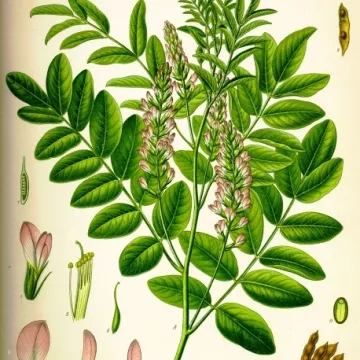
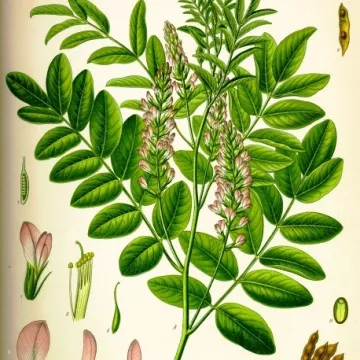
- Deglycyrrhizinated licorice (DGL): stimulates the production of gastric mucus and prostaglandin E2 — promotes mucosal regeneration — chewable tablets 20 minutes before meals — the gold standard natural remedy for gastritis
- Chios mastic (Pistacia lentiscus resin): antibacterial properties against H. pylori + mucosal healing — 1–2 g/day before meals — natural supplement to antibiotics for mild gastritis
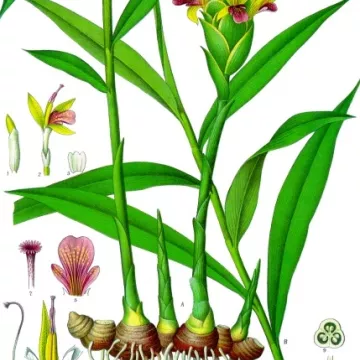
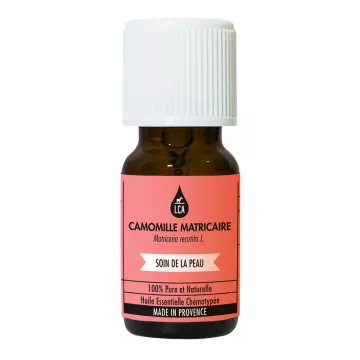
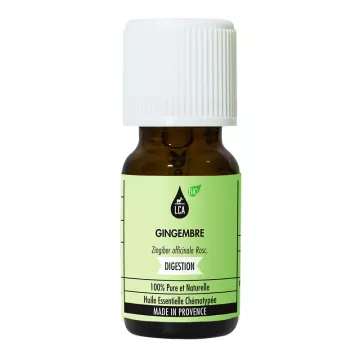
- Aloe vera gel + chamomile tea + ginger: anti-inflammatory effects on the gastric mucosa + prokinetic effects — natural routine in the morning on an empty stomach (aloe vera) + after meals (chamomile or ginger)
Diet, lifestyle, and prevention of recurrence
- Foods to avoid: alcohol (the mucosa’s number one enemy), self-medicating with NSAIDs, more than 2 cups of coffee per day, strong spices, highly acidic foods (citrus fruits, tomato paste), and very fatty foods — see our page on difficult digestion for alternatives
- Healing diet: steamed vegetables (carrots, zucchini, broccoli), rice, potatoes, white meats, lean fish, applesauce—5–6 small, spaced-out meals
- Essential NSAIDs: Always combine with a protective PPI—consider celecoxib (COX-2 selective, less gastrotoxic)—or substitute with acetaminophen if possible
- Zinc carnosine (PepZinGI): a zinc-carnosine combination with healing properties for the gastric mucosa — positive clinical data in gastritis andulcers
- Hand hygiene: H. pylori is transmitted via the fecal-oral route (contaminated water, raw foods)—wash hands before meals + use safe or filtered tap water in high-risk areas