What is a stomach ulcer, and how does it develop?
A stomach ulcer (or gastric ulcer) is an erosion of the gastric mucosa that extends to the submucosa or even the muscularis—resulting from an imbalance between aggressive factors (hydrochloric acid, pepsin, H. pylori, NSAIDs) and protective mechanisms (mucus, prostaglandins, bicarbonates). Arnaud, Ph.D. in Pharmacy, reminds us that any confirmed ulcer requires close medical monitoring. Discover our digestive medications and natural gastric protectants to support your treatment.
- Helicobacter pylori: found in 70–80% of gastric ulcers and 90% of duodenal ulcers—a Gram-negative bacterium that colonizes the mucosa and secretes urease, which destroys the protective mucus—eradication leads to permanent healing in most cases
- NSAIDs (ibuprofen, ketoprofen, aspirin, diclofenac): inhibit COX-1 → reduce mucosal-protective prostaglandins → drug-induced ulcer — 3–5-fold increased risk — particularly dangerous in people over 65 and those with a history of ulcers
- Gastric ulcer: located on the greater or lesser curvature of the stomach — epigastric pain worsened by meals (or relieved, depending on the location) — risk of underlying gastric cancer → biopsies required
- Duodenal ulcer: located in the duodenal bulb — epigastric pain, often at night, relieved by meals or antacids — lower risk of cancer than gastric ulcers
- Other factors: intense physical stress (stress ulcer in the ICU), chronic alcohol use, smoking (healing slowed by a factor of 2), corticosteroids (increased risk when combined with NSAIDs)
Symptoms, diagnosis, and emergencies related to ulcers
- Typical symptoms: epigastric pain related to meals (relieved or aggravated depending on the type), nausea, loss of appetite, belching, bloating—see our page on stomachaches for the differential diagnosis
- Diagnosis: upper endoscopy (EOGD)—direct visualization + biopsies (H. pylori + cancer exclusion)—¹³C urea breath test or H. pylori antigen in stool (after 4 weeks without PPI)
- Upper gastrointestinal bleeding: hematemesis (red blood in vomit) or melena (black, tarry stools) → call 15 immediately — emergency endoscopy + transfusion if needed
- Ulcer perforation: sudden, “stabbing” abdominal pain + rigid abdomen → peritonitis → emergency surgery — call 15
- Pyloric stenosis: repeated late postprandial vomiting + weight loss → obstruction of gastric emptying → endoscopic dilation or surgery
Medical Treatment and Natural Support for Ulcers
Medical treatment takes priority—natural ingredients play a complementary role in protection and healing. Find our supplements in the enzymes and digestive comfort line.
- Confirmed H. pylori: triple therapy (omeprazole + amoxicillin + clarithromycin, 7–14 days) or bismuth-based quadruple therapy if resistance is present — mandatory eradication check at 4 weeks (breath test) — probiotics during and after triple therapy to preserve the microbiota
- PPIs (proton pump inhibitors): omeprazole 20–40 mg/day — treatment for 4–8 weeks for gastric ulcers, 4 weeks for duodenal ulcers — risk of magnesium and B12 deficiency with prolonged use
- Deglycyrrhizinated licorice (DGL): stimulates the production of protective gastric mucus and promotes healing — chewable tablets 20 minutes before meals — a natural supplement proven effective for gastric ulcers
- Aloe vera (inner leaf gel): promotes healing and reduces inflammation of the mucous membrane — drink pure aloe vera juice in the morning on an empty stomach — natural support for mucosal regeneration
- Stop taking NSAIDs: replace with acetaminophen if possible — if NSAIDs are essential: add a PPI + misoprostol systematically — see our gastritis page for natural anti-inflammatory alternatives
Diet, Prevention of Recurrence, and Lifestyle
- Gentle diet during the active phase: low-acid, non-irritating foods (rice, cooked vegetables, white meats, fruit compotes) — avoid strong spices, coffee, alcohol, citrus fruits, and tomato paste — 5–6 small meals rather than 3 large ones
- Soluble fiber (oats, pectin, bananas): coats the mucosa and reduces contact acidity — particularly beneficial in managing duodenal ulcers
- Smoking cessation: Smoking slows ulcer healing by 50% + increases the risk of recurrence + potentiates H. pylori — an absolute priority alongside treatment
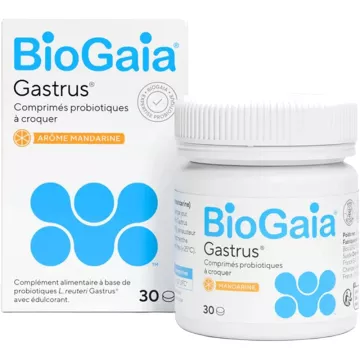
- Probiotics (Lactobacillus reuteri, Lactobacillus acidophilus): inhibit the growth of H. pylori — reduce the digestive side effects of triple therapy — should be taken routinely during antibiotic therapy
- Post-treatment monitoring: endoscopic follow-up at 6–8 weeks for gastric ulcers (biopsies to rule out cancer) — do not stop PPI therapy before this follow-up — consult a physician if pain recurs