0
Menu
Ulcar Oral Suspension, box of 30 packets*

Ulcar Oral Suspension, box of 30 packets*

Brand : Sanofi Aventis Sanofi Aventis

Ulcar 1 g, oral suspension in a packet, is an anti-ulcer treatment that protects the stomach and duodenum. Ideal for relieving stomach pain and preventing recurrence. Easy to use, well tolerated, and effective from the very first dose.

€9.99 EXCL. VAT €10.99 INCL. VAT
Not in stock Out of stock Secure payment
Reference : 3400933283919
Earn 10 loyalty points by purchasing this product
4.8 / 5
(10Reviews)
You must be logged in to add this product to a list. Customer login
See delivery conditions

Our doctors of pharmacy advise you

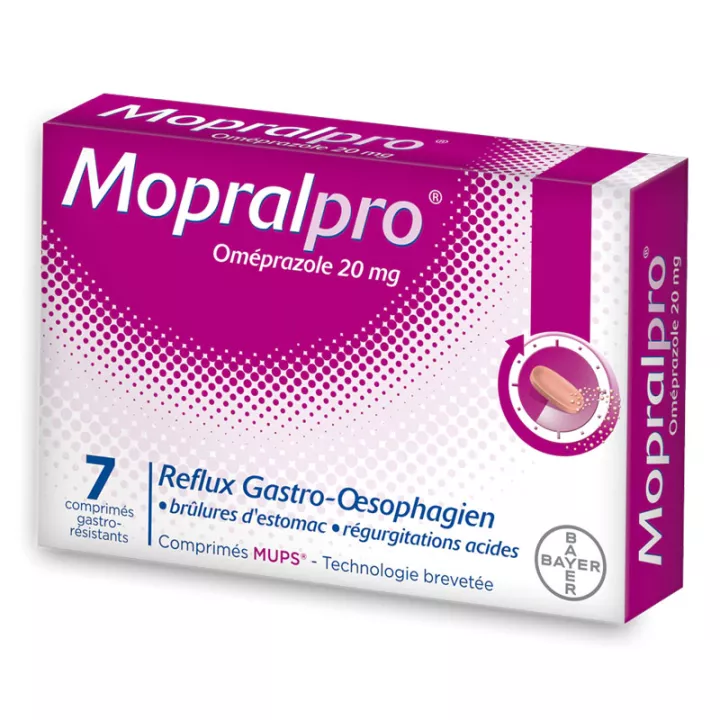
Mopralpro Omeprazole 20 mg Capsules Mopralpro Omeprazole 20 mg Capsules
7 tablets 14 tablets
€9.79
Add to cart
Shipped within 24h
Initiv Back Pain Relief Patch, 3 Patches Initiv Back Pain Relief Patch, 3 Patches
€12.49
Shipped within 24h
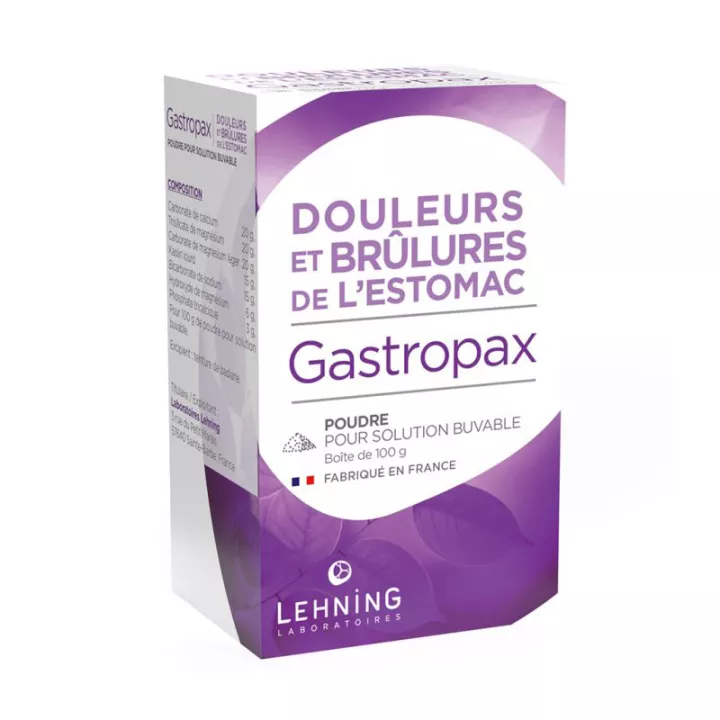
Gastropax Antacid Powder 100 g Lehning Gastropax Antacid Powder 100 g Lehning
€12.95
Shipped within 24h
Initiv Neck Pain Relief Patch, 3 Patches Initiv Neck Pain Relief Patch, 3 Patches
€12.49
Shipped within 24h
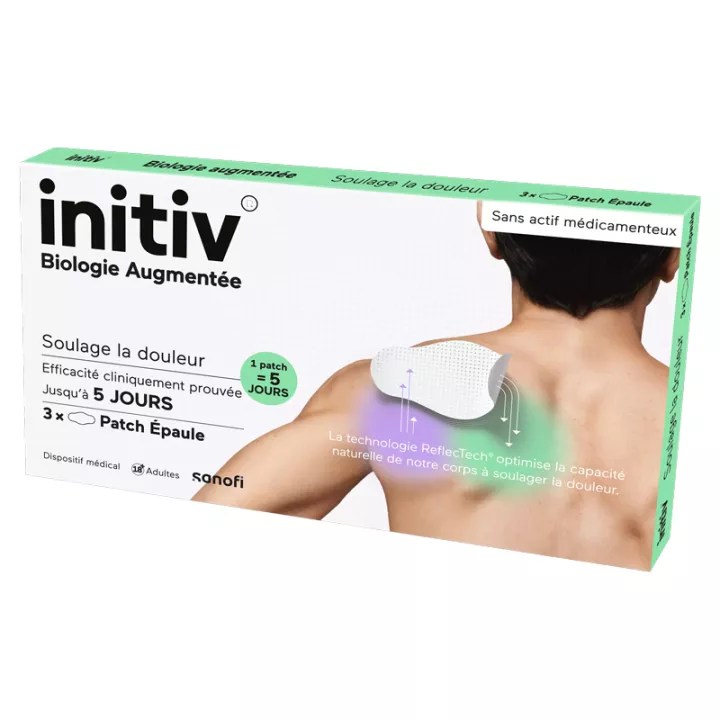
Initiv Shoulder Pain Relief Patch, 3 Patches Initiv Shoulder Pain Relief Patch, 3 Patches
€12.49
Replenishment in progress
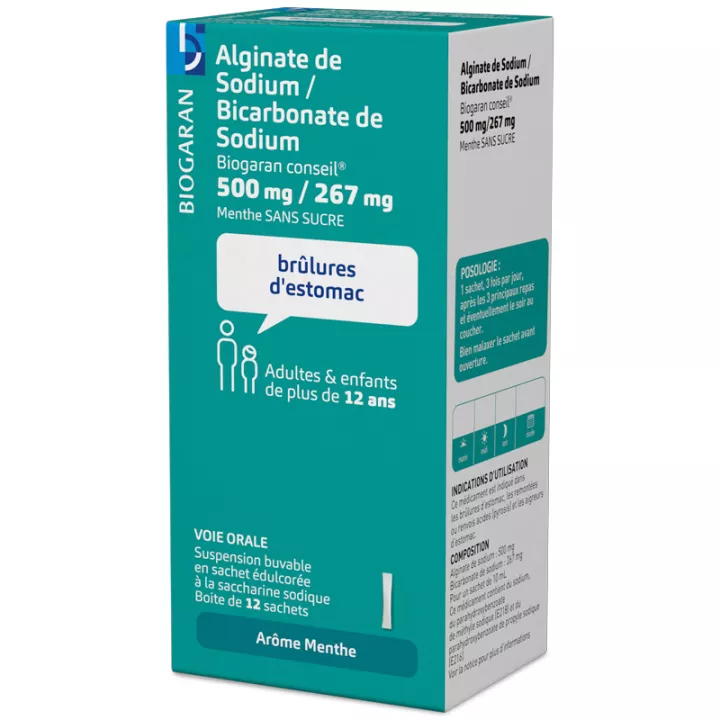
Sodium Alginate / Sodium Bicarbonate Biogaran Conseil 12 packets Sodium Alginate / Sodium Bicarbonate Biogaran Conseil 12 packets
€5.99
Shipped in 5 to 7 business days

What is Ulcar used for?

When your stomach is causing you real agony, Ulcar becomes your best ally. This sucralfate-based oral suspension is specially formulated to protect the gastrointestinal lining from acid attacks. Do you have a

or duodenal ulcer?

Ulcar is there toeffectively relieve pain and promote rapid healing of the digestive lining. Its action goes beyond simply masking symptoms: it targets the root cause by forming a protective barrier over the ulcerated area.

Sucralfate, its active ingredient, acts as a digestive bandage without being absorbed into the bloodstream. It binds to the lesions and coats them with a protective film, isolating them from acidic gastric juices. It is this unique property that makes Ulcar the solution of choice

for those suffering from heartburn, epigastric pain, orchronic ulcers. Its effectiveness is recognized both during the acute phase and in preventing recurrences.

Ulcar is particularly helpful for people whose stomachs have been weakened by prolonged use of anti-inflammatory drugs or by significant stress. In these cases, the stomach becomes vulnerable, and Ulcar acts as an active shield to prevent damage. Are you

prone to recurring stomach pain?

This preventive treatment can be a long-term solution to free you from this uncomfortable cycle.

The drinkable sachet formula is a real plus: no water needed, easy to carry, and perfectly suited to a modern lifestyle. Whether you’re on the go, at the office, or on vacation, Ulcar supports you discreetly and effectively. And its

slightly sweet taste (thanks to the caramel-anise flavor) makes it more pleasant to take, even during the most uncomfortable moments.

Another key advantage: its safety profile. Since it is absorbed only minimally by the body, Ulcar poses little risk of drug interactions. It’s suitable for a wide range of people, although, of course, medical advice is always recommended to tailor the

treatment to each individual case. Side effects are rare and usually mild, making it a safe choice in the long term.

In short, Ulcar is much more than just an antacid: it’s a true shield against gastric irritation. It relieves, repairs, and protects effectively and gently. Looking for a solution to put an end to stomach pain? Trust

Ulcar and regaindigestive comfort and peace of mind.

In addition to Ulcar,Nexium Control 20 mg (over-the-counter Nexium) may also be recommended for optimal relief from your persistent heartburn.

How do you use this product?

Directions for Use

Ulcar is taken orally in the form of ready-to-use oral sachets. It is essential to follow the dosage instructions to ensure maximum effectiveness:

  • To treat a stomach or duodenal ulcer:
    Take 1 packet 4 times a day —that is, before each main meal (30 minutes to 1 hour beforehand) and at bedtime, approximately 2 hours after dinner.
  • To prevent the recurrence of a duodenal ulcer:
    There are two possible regimens:
    ▸ 1 packet in the morning and evening (on an empty stomach or at bedtime)
    ▸ or 2 packets in the evening, before or after dinner, depending on how well you tolerate it.

No water is needed to take it: simply squeeze the contents of the packet directly into your mouth. The duration of treatment varies depending on the indication, generally ranging from 4 to 6 weeks. Your doctor may adjust the regimen based on your progress.

Share your feedback on Ulcar’s usage instructions and dosage with our partner “Verified Reviews” after your purchase.

Precautions

Before starting treatment, make sure you are not allergic to sucralfate or any of the other ingredients. Ulcar is not recommended for children under 14 years of age, nor for premature or immature newborns.

If you havekidney failure or a phosphorus deficiency, inform your doctor: monitoring may be necessary. In certain at-risk individuals (bedridden patients, those fed via a feeding tube, etc.), a digestive obstruction (bezoars) may occur.

To avoid interactions, take Ulcar at least 2 hours apart from any other medication. As a precaution, it is not recommended during pregnancy or while breastfeeding, unless otherwise advised by a doctor.

What are its ingredients?

Sucralfate, Sodium Saccharin, Caramel Flavoring, Anise Flavoring, Sodium Propyl Parahydroxybenzoate, Sodium Methyl Parahydroxybenzoate, Monosodium Phosphate Dihydrate, Xanthan Gum, 85% Glycerol, Purified Water

Presentation

Ulcar comes as an oral suspension in ready-to-use sachets, packaged in a box of 30 sachets. Convenient, it can be taken without water and is suitable for all everyday situations.


Pharmacovigilance Report an adverse drug reaction(s)

Download PDF leaflet

NOTICE

ANSM - Last updated: 30/11/2015

Name of the medicinal product

ULCAR 1 g, oral suspension in sachet

sucralfate

framed

Read this leaflet carefully before you start taking this medicine. It contains important information for your treatment.

If you have any further questions, ask your doctor or pharmacist.

· Keep this leaflet, you may need to read it again.

· If you need more information and advice, ask your pharmacist.

· If symptoms worsen or persist, consult your doctor.

· If you notice any side effects not listed in this leaflet, or if you experience any of the effects listed as serious, please tell your doctor or pharmacist.

Review summary

In this notice :

1. WHAT IS ULCAR 1 g, oral suspension in sachets AND WHAT USES IT IS USED FOR?

2. BEFORE YOU USE ULCAR 1 g, oral suspension in sachet?

3. HOW TO USE ULCAR 1 g, oral suspension in sachet?

4. WHAT ARE POSSIBLE SIDE EFFECTS?

5. HOW TO STORE ULCAR 1 g, oral suspension in sachet?

6. ADDITIONAL INFORMATION

1. WHAT IS ULCAR 1 g, oral suspension in sachets AND WHAT USES IT IS USED FOR?

Pharmacotherapeutic group

ULCAR belongs to the anti-ulcer family.

It acts by protecting the stomach and intestine from acid attacks.

Therapeutic indications

This medication is used to:

· treating an ulcer of the stomach and duodenum,

· avoid the reappearance of a duodenal ulcer.

2. BEFORE YOU USE ULCAR 1 g, oral suspension in sachet?

List of information needed before taking the medication

Not applicable.

Cons-indications

Never use ULCAR 1 g, oral suspension in sachet:

· If you are allergic to the active substance or to any of the other ingredients of this medication mentioned in section 6.

· In premature infants and non-mature infants whose weight and height are slightly below average.

Precautions for use; special warnings

Take special care with ULCAR 1 g oral suspension in sachet

· Tell your doctor if:

- you have kidney disease (chronic kidney failure),

- you have a decrease in the level of phosphorus in the blood.

· If you think you have used too much of this medicine seek emergency medical attention right away. This may involve examinations of the stomach (eg, fibroscopy).

· If you have slowed transit due to surgery, drug therapy or other pathology, cases of obstruction of the digestive tract (bezoar) may occur, especially in patients hospitalized in intensive care units mostly in combination with a diet by probe and in newborns, including premature infants and non-mature infants (see "Never take ULCAR 1 g, oral suspension in sachets").

Children and adolescents under 14 years of age

Due to insufficient data, use of ULCAR is not recommended for children under 14 years of age.

Interaction with other medicines

Taking or using other medicines

If you are taking or have recently taken any other medicines, including medicines obtained without a prescription, talk to your doctor or pharmacist.

ULCAR may decrease the effect of certain medications taken at the same time. To avoid this, you should observe a 2-hour interval between taking ULCAR and taking another medicine.

Interactions with food and beverages

Not applicable.

Interactions with Herbal Medicines or Alternative Therapies

Not applicable.

Use during pregnancy and lactation

Pregnancy and breast feeding

Pregnancy

Ask your doctor or pharmacist for advice before taking any medicine.

It is best not to use this medication during pregnancy.

If you discover that you are pregnant during treatment, consult your doctor, alone can judge the need to continue treatment.

feeding

Ask your doctor or pharmacist for advice before taking any medicine.
It is not recommended to use this medication if you are breast-feeding.

Sport

Not applicable.

Effects on ability to drive or use machines

Not applicable.

List of excipients with known effect

Important information about some of the ingredients of ULCAR 1 g oral suspension in sachet

This medicinal product contains methyl and propyl parahydroxybenzoate which may cause allergic reactions.

3. HOW TO USE ULCAR 1 g, oral suspension in sachet?

Instructions for proper use

Not applicable.

Dosage, Mode and / or route (s) of administration, Frequency of administration and Duration of treatment

Dosage

If you are taking this medicine to treat an ulcer of the stomach

1 sachet 4 times a day:

· 1 sachet half an hour to 1 hour before each of the 3 main meals,

· 1 sachet at bedtime, about 2 hours after dinner.

If you are taking this medicine to treat an ulcer of the intestine

Two treatment modalities are possible:

· 1st possibility : 1 sachet 4 times a day:

- 1 sachet half an hour to 1 hour before each of the 3 main meals,

- 1 sachet at bedtime, about 2 hours after dinner.

· 2nd possibility : 2 sachets morning and evening, either:

- 2 sachets in the morning on waking, half an hour to 1 hour before breakfast,

- 2 sachets in the evening, about 2 hours after the evening meal.

If you are taking this medicine to prevent an ulcer of the intestine from appearing

Two treatment modalities are possible:

· 1st possibility : 1 sachet twice a day that is:

- 1 sachet in the morning on waking, half an hour to 1 hour before breakfast,

- 1 sachet in the evening taken either half an hour to 1 hour before the meal, or at bedtime, about 2 hours after the evening meal.

· 2nd possibility : 2 sachets in the evening:

- half an hour to 1 hour before the evening meal, or at bedtime, about 2 hours after the evening meal.

Administration mode

· This medication is used orally.

· To drink the contents of the sachet: open the bag following the dotted line, then press the bag with its open end between the lips.

Duration of the treatment

· If you are taking this medicine to treat an ulcer of the stomach or duodenum : The duration of treatment is 4 to 6 weeks.

· If you are taking this medication to prevent a duodenal ulcer from appearing : Your doctor will tell you how long you should take this medication.

Children and Youth

Due to insufficient data, use of ULCAR is not recommended for children under 14 years of age.

Symptoms and Instructions for Overdose

If you take more ULCAR1 g, oral suspension in sachet than you should:

Tell your doctor or pharmacist.

Instructions for omission of one or more doses

If you forget to take ULCAR 1 g, oral suspension in sachet:

Do not take a double dose to make up for a missed dose.

Risk of withdrawal syndrome

Not applicable.

4. WHAT ARE POSSIBLE SIDE EFFECTS?

Description of adverse reactions

Like all medicines, Ulcar may cause side effects, although not everybody gets them.

The following effects occur frequently:

· Constipation.

The following effects occur infrequently:

· dry mouth, nausea.

The following effects rarely occur:

· vomiting,

· eruptions (of pimples or plaques) on the skin,

· dizziness.

· obstruction of the digestive tract (bezoars) in patients at risk (see "Take special care with ULCAR?").

The following effects may occur but their frequency is unknown:

A severe allergic reaction can be seen by the appearance of red patches on the skin that itch (urticaria) and / or sudden swelling of the face and / or neck, which can cause difficulty breathing and endanger the patient. angioedema). If any of these effects occur, you should immediately stop treatment and consult your doctor.

If administered at high doses and for a long time, there is a theoretical risk of decreasing the level of phosphorus in the blood.

Declaration of side effects

If you experience any side effects, talk to your doctor or pharmacist. This also applies to any side effects not mentioned in this leaflet. You can also report adverse reactions directly through the national reporting system : National Agency for the Safety of Medicines and Health Products (Ansm) and network of Regional Centers of Pharmacovigilance. By reporting adverse reactions, you are helping to provide more information about the safety of the drug.

5. HOW TO STORE ULCAR 1 g, oral suspension in sachet?

Keep out of the reach and sight of children.

Expiration date

Do not use ULCAR 1 g oral suspension in sachets after the expiry date which is stated on the carton.

Storage conditions

No special storage conditions.

If necessary, warnings against visible signs of deterioration

Medicines should not be disposed of via wastewater or household waste. Ask your pharmacist what to do with unused medications. These measures will help protect the environment.

6. ADDITIONAL INFORMATION

Full list of active substances and excipients

What does ULCAR 1 g contain, oral suspension in sachet?

The active substance is:

Sucralfate ................................................. .................................................. ........................................... 1 g

For a sachet.

The other components are:

Saccharin sodium, caramel flavor, anise flavor, sodium propyl parahydroxybenzoate, sodium methyl parahydroxybenzoate, monosodium phosphate dihydrate, xanthan gum, 85% glycerol, purified water.

Pharmaceutical form and content

What is ULCAR 1 g, oral suspension in sachet and contents of the pack?

This medication is in the form of a drinkable suspension. Box of 30.

Name and address of the marketing authorization holder and the holder of the manufacturing authorization responsible for the release of the lots, if different

Holder

SANOFI-AVENTIS FRANCE

82 AVENUE RASPAIL

94250 GENTILLY

exploiting

SANOFI AVENTIS FRANCE

82 AVENUE RASPAIL

94250 GENTILLY

Maker

Pharmatis

Area of ​​Activity Is n ° 1

60190 ESTREES-SAINT-DENIS


Names of the medicinal product in the Member States of the European Economic Area

Not applicable.

Date of approval of the notice

The last date on which this leaflet was approved is {date}.

AMM under exceptional circumstances

Not applicable.

Internet Information

Detailed information on this medicine is available on the Ansm website (France).

Information for health professionals only

Not applicable.

Other

Not applicable.

VIDAL OF THE FAMILY

Ulcar

antiulcer

sucralfate

. Presentations . Composition . Indications . Contraindications . Warning . Drug Interactions . Pregnancy and breastfeeding . Directions for use and dosage . Advice . Undesirable effects . Lexicon

PRESENTATIONS (summary)

ULCAR 1 g: oral suspension (flavors: caramel, anise); box of 30 bags.
-

Laboratory Sanofi-Aventis France

COMPOSITION (summary)
p sachet
sucralfate 1 g
parabens +

INDICATIONS (summary)
This medication belongs to the family of antiulcer drugs. It acts by attaching itself to the ulcer and protects it by covering it with a film that isolates it from the acids of the stomach. It stimulates the secretion of substances that tend to fight acidity of the stomach.
It is used in the treatment of ulcers in the stomach and duodenum , and to prevent relapses of the duodenal ulcer in the absence of infection with Helicobacter pylori (which would warrant specific treatment).
CONTRAINDICATIONS (summary)
This medication should not be used in preterm and newborns with a low birth weight.
WARNING (Contents)
The disappearance of the pain does not mean that the ulcer is healed: the duration of the treatment must be respected.
If you have kidney failure , tell your doctor to adjust the dose .
DRUG INTERACTIONS (summary)
It is desirable to observe a 2 hour delay between taking this medication and taking an anticoagulant , a quinolone antibiotic or a drug containing phenytoin or digoxin.
PREGNANCY AND BREAST-FEEDING (summary)
Pregnancy :
The effect of this drug on the unborn child is not well known. Only your doctor can appreciate the need for treatment and its risk during pregnancy.

Breastfeeding:
The data currently available do not indicate whether this drug passes into breast milk. Do not use during breastfeeding without medical advice.
DIRECTIONS FOR USE AND DOSAGE (summary)
This medication is preferably taken half an hour to an hour before meals or two hours after the evening meal.
The oral suspension can be taken pure or diluted in a glass of water.

Usual dosage:

Treatment of ulcers: 1 sachet, 4 times a day or 2 sachets, 2 times a day. The ulcer treatment lasts at least 4 to 6 weeks, even if the symptoms diminish or disappear before this time.
Prevention of relapses of the duodenal ulcer: 1 sachet, 2 times a day (on waking and ½ hour to 1 hour before lunch) or 2 sachets in the evening (½ hour to 1 hour before dinner or at bedtime, about 2 hours after dinner).
TIPS (summary)
If you are a smoker, continuing smoking affects the effectiveness of the treatment.
Taking this medication does not exempt you from dietary measures that your doctor may recommend.
Aspirin, anti-inflammatory drugs and corticosteroids may be aggressive to the stomach: do not take it without the advice of your doctor.
POSSIBLE ADVERSE EFFECTS (summary)
Constipation.
Rarely: dry mouth, nausea, vomiting, dizziness , allergic skin reaction .


GLOSSARY (summary)


antibiotic
A substance capable of blocking the multiplication of certain bacteria or killing them. The spectrum of an antibiotic is the set of bacteria on which this product is usually active. Unlike bacteria, viruses are not susceptible to antibiotics. The first antibiotics were extracted from mushroom cultures: penicillium (penicillin), streptomyces (streptomycin). They are currently manufactured by chemical synthesis. Antibiotics are divided into families: penicillins, cephalosporins, macrolides, tetracyclines (cyclines), sulphonamides, aminoglycosides, lincosanides, phenicolates, polymyxins, quinolones, imidazoles, etc.
Inappropriate use of antibiotics may lead to the development of resistance: use antibiotics only on medical prescription, adhere to its dosage and duration, do not give or advise another person an antibiotic prescribed for you .


anticoagulant
Medication that prevents blood from coagulating and therefore prevents clots from forming in the blood vessels.
Anticoagulants are used to treat or prevent phlebitis, pulmonary embolism, certain infarcts. They also prevent the formation of clots in the heart during rhythm disorders such as atrial fibrillation or in the case of an artificial heart valve.
There are two main types of anticoagulants:
  • oral anticoagulants, which block the action of vitamin K (antivitamin K, or AVK) and whose effectiveness is controlled by a blood test: INR (formerly TP);
  • injectable anticoagulants derived from heparin, the efficacy of which can be controlled by the blood assay of anti-Xa activity, Howell's Time (TH) or Cephalin Kaolin Time (TCK) depending on the products used. A regular dosage of blood platelets is necessary throughout the life of a heparin derivative.


anti-inflammatory
Medicine that fights against inflammation. It can be either derived from cortisone (steroidal anti-inflammatory), or not derived from cortisone (nonsteroidal anti-inflammatory or NSAID).


corticosteroids
Substance close to cortisone. The natural corticoids, necessary for the functioning of the organism, are made by the adrenal glands. Synthetic corticosteroids, chemical derivatives of cortisone, are used as powerful anti-inflammatory drugs.


duodenum
A part of the intestine into which food from the stomach penetrates.


Helicobacter pylori
Bacteria involved in the occurrence of ulcers in the stomach or duodenum. It prevents healing and promotes recurrences upon cessation of treatment. Its elimination allows for definitive cures. Treatment of an antiulcer with antibiotics is an important step forward for patients with chronic ulcers in the stomach or duodenum.


renal failure
Inability of the kidneys to eliminate waste or medicinal substances. Advanced renal insufficiency does not necessarily result in a decrease in the amount of urine excreted. Only a blood test and creatinine dosage may reveal this disease.


dosage
Quantity and distribution of the dose of a drug according to the age, weight and general condition of the patient.


allergic reaction
Reaction due to hypersensitivity of the organism to a drug. Allergic reactions can take a wide variety of aspects: urticaria, angioedema, eczema, eruption of pimples resembling measles, etc. Anaphylactic shock is a generalized allergic reaction that causes discomfort due to a sudden drop in blood pressure.


symptoms
Trouble felt by a person with an illness. The same symptom can translate different diseases and the same disease does not necessarily give the same symptoms in all the patients.


ulcer
Injury of skin, mucous membranes or cornea.
  • Leg ulcer: chronic wound due to poor circulation of blood.
  • Gastroduodenal ulcer: a localized wound in the mucosa of the stomach or duodenum due to excess acidity and very often to the presence of a bacterium (Helicobacter pylori). The ulcer is favored by stress, alcohol, smoking and certain medications (aspirin, NSAIDs, etc.).


dizziness
Symptom that can mean an impression of loss of balance (common sense) or, more strictly, a sense of rotation on oneself or the environment (medical sense).

Logo avis vérifiés
Voir l'attestation de confiance
Avis soumis à un contrôle
  • Pour plus d'informations sur les caractéristiques du contrôle des avis et la possibilité de contacter l'auteur de l'avis, merci de consulter nos CGU.
  • Aucune contrepartie n'a été fournie en échange des avis
  • Les avis sont publiés et conservés pendant une durée de cinq ans
  • Les avis ne sont pas modifiables : si un client souhaite modifier son avis, il doit contacter Avis Verifiés afin de supprimer l'avis existant, et en publier un nouveau
  • Les motifs de suppression des avis sont disponibles ici.
4.8 / 5
(10Reviews)
  • 5 étoiles
    9
  • 4 étoiles
    0
  • 3 étoiles
    1
  • 2 étoiles
    0
  • 1 étoile
    0

Advice from our naturopaths

NeoBianacid compared with Omeprazole in the management of GERD NeoBianacid compared with Omeprazole in the management of GERD

The management of conditions such as non-erosive gastro-oesophageal reflux disease (GERD) and painful functional dyspepsia is a major focus of medical practice. This review highlights the role of NeoBianacid compared with Omeprazole, the standard therapy for these conditions. [ Disclaimer: The information in this article is provided for general information purposes only and should not be considered as a substitute…

Read the article on the blog
Omeprazole, esomeprazole ... natural treatments as effective as reflux medication Omeprazole, esomeprazole ... natural treatments as effective as reflux medication

Gastrointestinal disorders such as gastro-oesophageal reflux disease (GERD) and stomach acid affect a large number of people. Although drugs such as omeprazole and esomeprazole are commonly prescribed, there are natural alternatives that are just as effective. [ Warning: The information in this article on natural alternatives to stomach disorders, such as NeoBianacid, GANatura and ERGYGAST, is provided for informational purposes…

Read the article on the blog
Intestinal permeability: How to repair the intestines Intestinal permeability: How to repair the intestines

Intestinal permeability, often referred to as 'leaky gut', is an increasingly studied concept in the field of gastroenterology and integrative medicine. This condition refers to a state in which the intestinal barrier, normally impermeable to certain substances, becomes more permeable. The intestinal barrier includes surface mucus, an epithelial layer and immune defences. Its main function is to control the passage…

Read the article on the blog
Natural Health Advice

Order a selection of products frequently purchased by our customers