What is acid reflux, and how does it work?
Acid reflux occurs when acidic stomach contents flow back into the esophagus due to inappropriate relaxation of the lower esophageal sphincter (LES). This sphincter, which is normally closed, acts as a barrier against reflux. When it relaxes, hydrochloric acid (pH 1–2) burns the unprotected esophageal lining. Digestive supplements and our line of digestive medications offer both quick relief and long-term solutions.
- Factors that relax the LES: alcohol, coffee, chocolate, peppermint (in its pure form), tobacco, and fatty foods—all of these relax the anti-reflux sphincter
- Factors that increase abdominal pressure: being overweight or obese (the primary modifiable factor), pregnancy, large meals, tight clothing, intense physical exertion after meals
- Direct irritants: citrus fruits, tomato paste, very spicy foods, carbonated beverages — irritate the esophageal lining, which is already weakened by acid reflux
- Hiatal hernia: upward displacement of part of the stomach into the chest → facilitates acid reflux — present in 20–30% of adults over 50
- Untreated chronic complications: erosive esophagitis, esophageal stricture (dysphagia), Barrett’s esophagus → risk of adenocarcinoma — endoscopy required if symptoms persist for > 5 years
Natural and active supplements to relieve acid reflux
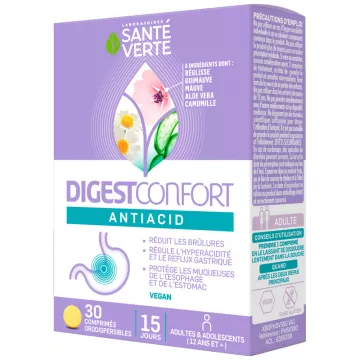
- Deglycyrrhizinated licorice (DGL): stimulates the production of protective mucus in the esophageal and gastric lining — chewable tablets 20 minutes before meals — protects and soothes heartburn without raising blood pressure (deglycyrrhizinated form that does not cause hypertension)
- Aloe vera (inner leaf gel): anti-inflammatory and promotes healing of the esophageal lining — drink pure aloe juice in the morning on an empty stomach and before meals — soothes heartburn caused by an esophagus irritated by repeated acid reflux
- Ginger (as tea or capsules): gastric prokinetic — accelerates gastric emptying → reduces the amount of acid available to reflux — anti-inflammatory for the mucosa — 500 mg before main meals — also effective against associated nausea
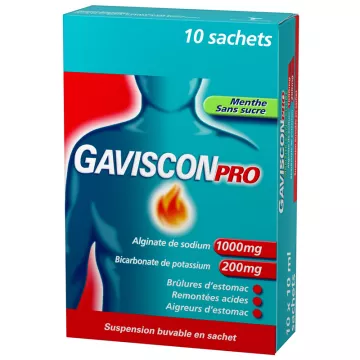
- Sodium bicarbonate: rapidly neutralizes stomach acid (antacid effect)—1/4 teaspoon in a glass of water—for occasional use only (do not use continuously: may cause metabolic alkalosis)
- Probiotics (Lactobacillus acidophilus, Bifidobacterium): reduce gastric dysbiosis often associated with GERD — support the gut microbiota during PPI treatment — available in our probiotic formulas
Diet, Lifestyle, and Postural Measures
- Small, frequent meals: 5–6 small meals instead of 3 large ones—each large meal distends the stomach and increases pressure on the lower esophageal sphincter (LES)—chew slowly 20–30 times
- Posture after meals: never lie down within 3 hours of eating—if a nap is necessary: semi-seated position (backrest at 45°)—raise the head of the bed by 15–20 cm using wedges (do not use a pillow alone, as it is ineffective)
- Foods to reduce or eliminate: coffee, alcohol, chocolate, very fatty or spicy foods, mint (in all its forms, as it relaxes the lower esophageal sphincter), citrus fruits and juices, tomatoes and ketchup, carbonated beverages
- Weight loss if overweight: a 10% reduction in body weight = a significant decrease in reflux episodes — the first non-pharmacological treatment to implement
- Pregnancy: very frequent acid reflux in the third trimester (progesterone relaxes the lower esophageal sphincter + compression from the uterus) — postural adjustments + small meals + pregnancy-safe DGL licorice — consult a healthcare provider before taking any medication
Medical Treatments and When to Seek Medical Advice
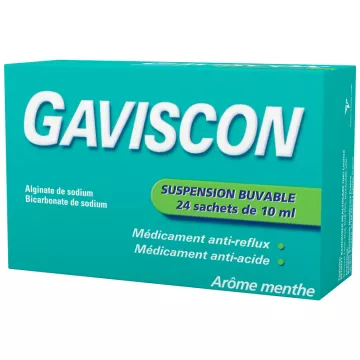
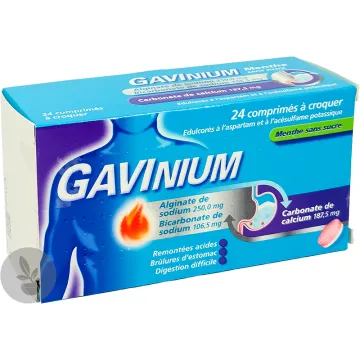
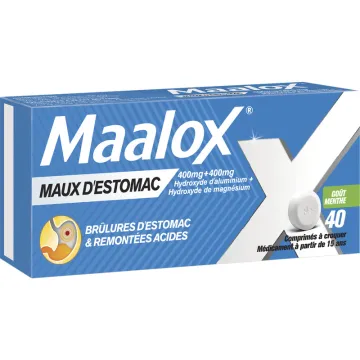
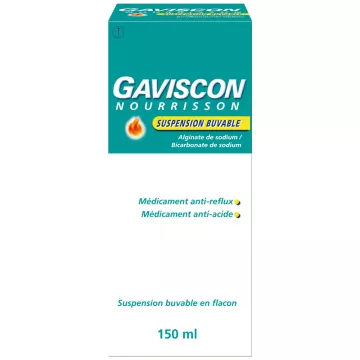
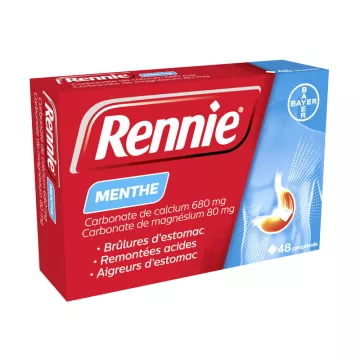
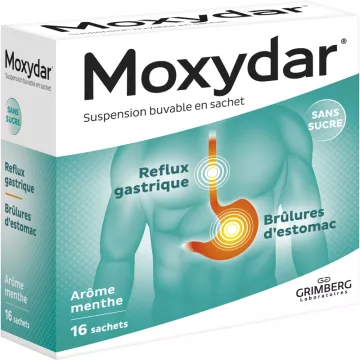
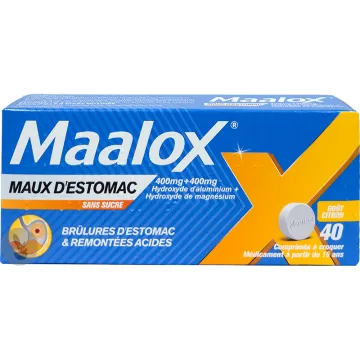
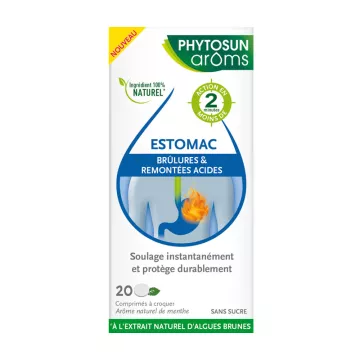
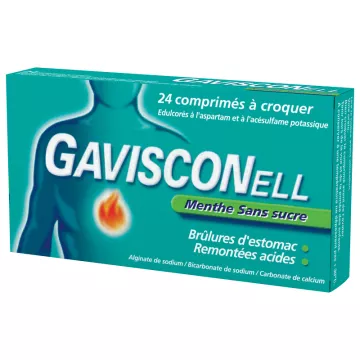
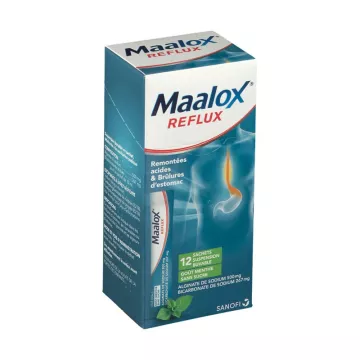
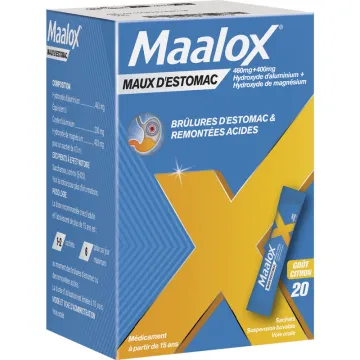
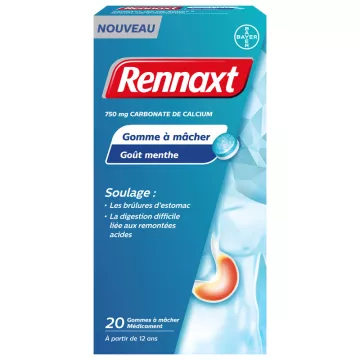
- Antacids (aluminum/magnesium salts, calcium carbonate): rapid neutralization within 5–15 minutes — immediate but short-lived relief (1–2 hours) — treatment for occasional episodes — space out from other medications by 2 hours
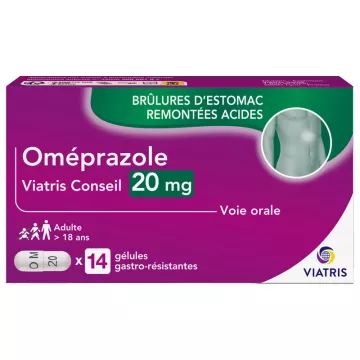
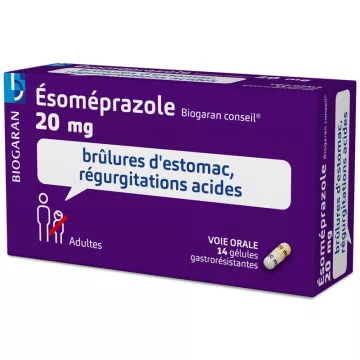
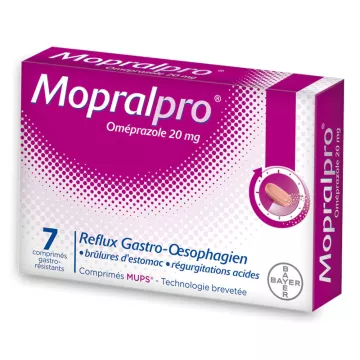
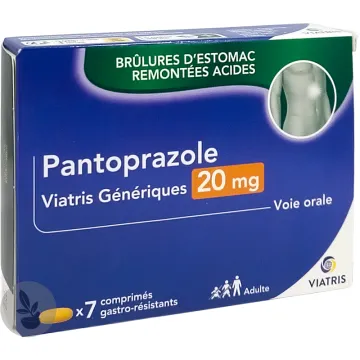
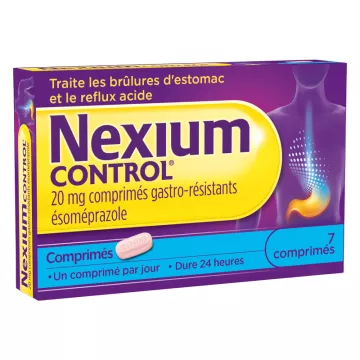
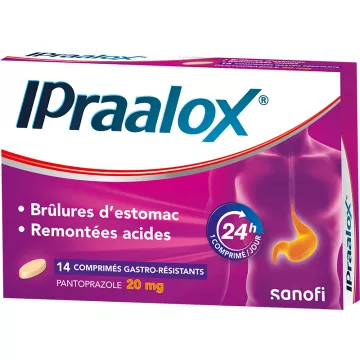
- PPIs (omeprazole, pantoprazole, esomeprazole): long-lasting reduction in acidity — take 30 minutes before the first meal — treatment duration: 4–8 weeks — risk of magnesium and B12 deficiency with prolonged use — effective for gastritis and erosive esophagitis
- H2 blockers (ranitidine replaced by famotidine): less potent reduction in acidity than PPIs — provides relief at night — an alternative to PPIs for mild to moderate acid reflux
- Gastroscopy is indicated if: symptoms have persisted for > 5 years or since childhood, dysphagia, weight loss, bleeding, resistance to PPIs — screening for Barrett’s esophagus (precancerous Barrett’s mucosa) — routine biopsies
- Consult a doctor if: frequent nighttime symptoms, chest pain (differentiate from cardiac causes!), onset after age 50, resistance to lifestyle and dietary changes and antacids after 4 weeks