What is the stomach, and how does it work?
The stomach is a musculo-glandular organ located between the esophagus and the duodenum, capable of storing up to 1.5 L of food and breaking it down into chyme using hydrochloric acid (HCl, pH 1–2) and digestive enzymes. It is protected by a double barrier: mucus and prostaglandins. Our line of digestive enzymes naturally compensates for deficiencies in gastric enzyme production.
- Acid secretion: parietal cells secrete HCl (pH 1–2)—activates pepsinogens into pepsins (proteolysis)—kills most ingested bacteria—regulated by histamine, gastrin, acetylcholine
- Mucosal barrier: alkaline mucus (pH 7) secreted by mucus-producing cells — prostaglandin E2 maintains mucosal integrity — bicarbonate neutralizes acid upon contact with the gastric wall
- Gastric enzymes: pepsin (digests 10–15% of proteins), gastric lipase (digests 10–30% of fats), intrinsic factor (transports vitamin B12 to the ileum) — see our digestive enzymes as a supplement
- Gastric motility: peristaltic contractions every 20 seconds—gastric emptying takes 2–4 hours depending on the meal’s composition—regulated by the vagus nerve and hormones (CCK, GLP-1, secretin)
- Immune role: Acidic pH = first line of defense against enteric pathogens — hypochlorhydria (prolonged use of PPIs, aging) = increased risk of enteric infections
Common Stomach Disorders and Their Natural Management
- Gastritis and stomach pain: H. pylori, NSAIDs, alcohol—DGL licorice + aloe vera + ginger to protect and soothe the mucosa— stomach pain: comprehensive guide to gastric symptoms
- Gastroduodenal ulcer: erosion of the mucosa—H. pylori triple therapy + DGL licorice + probiotics during triple therapy— stomach ulcers: dedicated page
- Indigestion / Difficult digestion: enzyme deficiency related to age or stress — digestive enzymes (lipase + amylase + protease) at the start of meals — prokinetic ginger
- Gastric nausea: ginger + P6 acupressure point + chamomile — see our nausea page
- Chronic atrophic gastritis: progressive destruction of parietal cells — hypochlorhydria → malabsorption of B12 and iron → supplementation essential
Natural active ingredients to protect and support the stomach
- Deglycyrrhizinated licorice (DGL): stimulates the production of protective gastric mucus — chewable tablets 20 minutes before meals — protects the mucosa against acid damage and NSAIDs
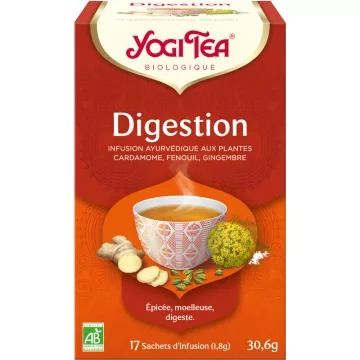
- Ginger (500–1,000 mg before meals): gastric prokinetic — accelerates gastric emptying → reduces stasis and fermentation — anti-inflammatory for the mucosa — available in capsules in our line of digestive medications and supplements
- Chamomile (tea 3 times daily between meals): anti-inflammatory and antispasmodic for the gastric mucosa—soothes stomach cramps and functional epigastric heartburn
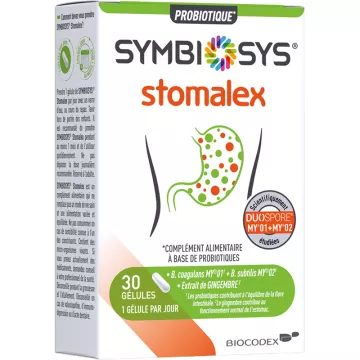
- Targeted probiotics (Lactobacillus acidophilus, Bifidobacterium): restore balance to the gastrointestinal flora — reduce H. pylori colonization — essential during and after a three-drug antibiotic regimen
- Aloe vera gel for internal use: promotes healing and reduces inflammation of the gastric mucosa — take pure juice in the morning on an empty stomach — naturally supports mucosal regeneration in cases of mild gastritis
Gastric Cancer: Risk Factors and Prevention
- Main risk factors: Uneradicated H. pylori (IARC Class 1, known carcinogen) — a diet high in salt, smoked meats, and processed meats — smoking — family history of gastric cancer — chronic atrophic gastritis
- Protective foods: fresh fruits and vegetables (antioxidants; vitamin C inhibits nitrosamines) — olive oil (anti-inflammatory properties) — green tea (anti-cancer catechins) — reduction in ultra-processed foods
- Routine eradication of H. pylori: halves the risk of gastric cancer — widely indicated, especially in high-risk individuals (family history, atrophic gastritis) — breath test or fecal antigen test
- Screening recommended if: first-degree family history of gastric cancer — known atrophic gastritis — hereditary syndrome (Lynch syndrome, HDGC) — endoscopy + systematic biopsies
- Warning signs (urgent endoscopy): unintentional weight loss, unexplained anemia, dysphagia, persistent vomiting, palpable epigastric mass, gastrointestinal bleeding