What is heartburn (pyrosis), and how can you recognize it?
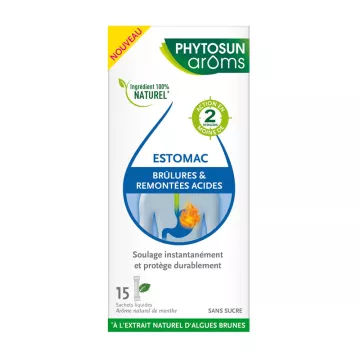
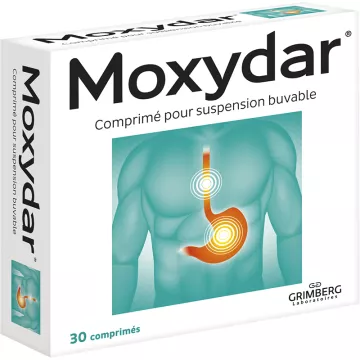
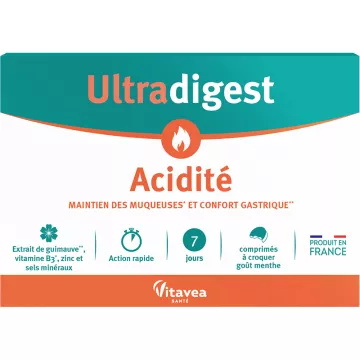
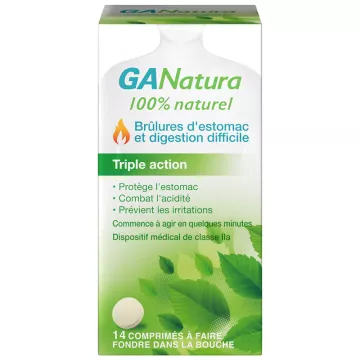
Heartburn (or pyrosis) is a burning or warm sensation that rises from behind the breastbone toward the throat, often accompanied by a sour taste in the mouth. It results from stomach acid flowing back into the esophagus through a weakened lower esophageal sphincter (LES). Our line of digestive medications and supplements offers quick and long-term solutions to relieve and prevent heartburn.
- Typical heartburn: a burning sensation behind the breastbone—appears 30–60 minutes after a meal or when lying down—relieved by antacids or sitting up—worsened by large meals, alcohol, and coffee
- Acid regurgitation: acid or food coming back up into the throat—persistent bitter or sour taste in the mouth—a sign of active reflux
- Nighttime heartburn: lying down promotes reflux—waking up with heartburn and a dry cough—raise the head of the bed by 15–20 cm using wedges (not just a pillow)
- Heartburn during pregnancy: progesterone relaxes the lower esophageal sphincter (LES) + uterine pressure on the stomach — second and third trimesters (T2 and T3) are particularly affected — DGL licorice is safe during pregnancy + small meals + semi-upright position after meals
- Warning signs that should never be confused: chest pain + pain radiating to the left arm / jaw / back + sweating + shortness of breath = possible heart attack → call 15 immediately — heartburn is not accompanied by these signs
Natural Remedies to Relieve Heartburn
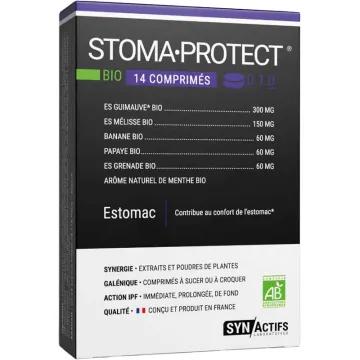
- Deglycyrrhizinated licorice (DGL): stimulates the production of protective mucus in the esophagus and stomach — forms a natural barrier against acid — chewable tablets 20 minutes before meals — the gold standard natural remedy, safe during pregnancy (DGL form without glycyrrhizin)
- Aloe vera gel for internal use: anti-inflammatory and promotes healing of the irritated esophageal lining — pure aloe vera juice in the morning on an empty stomach and before trigger meals — provides long-lasting relief from the burning sensation in our digestive supplements
- Sodium bicarbonate (1/4 teaspoon in a large glass of water): rapid neutralization in 5 minutes—for occasional use only—do not use regularly (risk of a rebound effect leading to excessive acid secretion)
- Ginger (500 mg before meals): gastric prokinetic—accelerates gastric emptying → less acid available to reflux—also relieves associated nausea
- Chamomile tea (3 cups/day between meals): antispasmodic for the lower esophagus + anti-inflammatory for the esophagus — soothes persistent functional heartburn
Diet, Posture, and Prevention of Chronic Heartburn
- Trigger foods to avoid: coffee, alcohol, chocolate, citrus fruits and juices, tomatoes and ketchup, very spicy foods, fatty and fried foods, onions, garlic, carbonated beverages (CO2 distends the stomach + relaxes the lower esophageal sphincter)
- Eat small, frequent meals: 5–6 small meals instead of 3 large ones — never lie down within 3 hours of eating — wait 2 hours before engaging in any intense physical activity after eating
- Sleeping position: Raise the head of the bed by 15–20 cm using blocks under the bed legs (do not use a pillow alone—it is ineffective)—sleep on your left side (anatomically favorable: stomach is below the esophagus)
- Weight loss if BMI > 25: abdominal pressure on the stomach is the primary factor aggravating chronic heartburn—losing 5 kg results in a significant reduction in episodes
- Physical exercise: wait 2 hours after a meal + avoid high-impact exercises (jumping, running) that increase abdominal pressure — yoga and walking promote digestion without worsening reflux
Medical Treatments and Complications of Chronic Heartburn
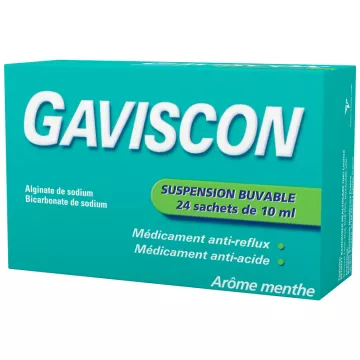
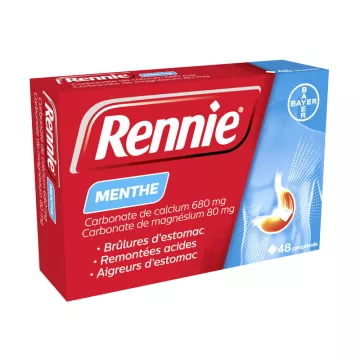
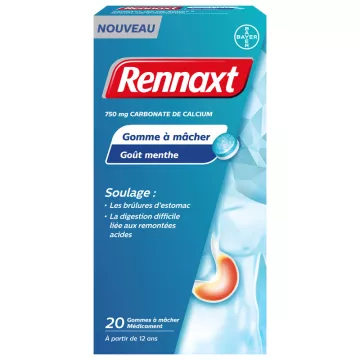
- Antacids (calcium carbonate, aluminum/magnesium hydroxide): rapid neutralization (5–15 min) — short-term relief (1–2 h) — occasional use — space out by 2 hours from other medications
- H2 blockers (famotidine): moderate reduction in acidity — effective for nighttime heartburn — onset of action in 30–60 min — alternative to PPIs for mild to moderate heartburn
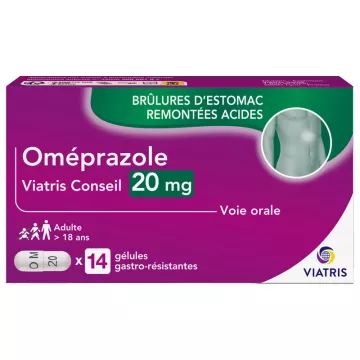
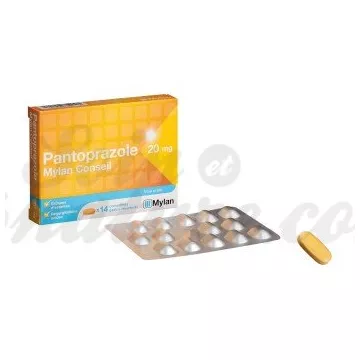
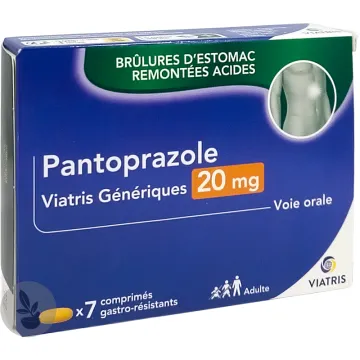
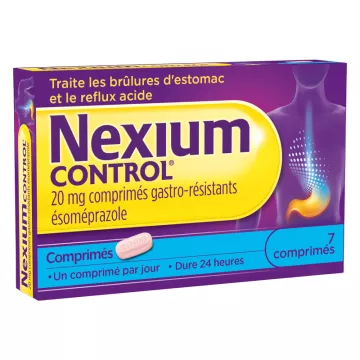
- PPIs (omeprazole, esomeprazole): maintenance treatment for chronic heartburn associated with GERD — take 30 min before the first meal — 4–8 weeks, then reevaluate — taper off gradually to avoid rebound effect — risk of Mg and B12 deficiency if used for > 6 months
- Barrett’s esophagus (endobrachy-esophagus): a complication of untreated chronic heartburn — replacement of the esophageal mucosa with intestinal-type mucosa — precancerous — follow-up endoscopy every 1–3 years depending on the stage — treatment with radiofrequency ablation if dysplasia is present
- Endoscopy is essential if: heartburn for > 5 years, progressive dysphagia, weight loss, anemia, resistance to PPIs, onset after age 55 — see our hub on stomach pain