What are skin fissures, and how can you tell them apart from chapped skin?
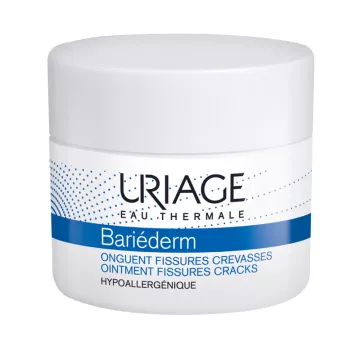
Skin fissures are breaks in the skin of varying depths, ranging from a simple superficial cut to a deep fissure that reaches the dermis, which is often painful and may bleed. They differ from chapped skin (superficial, non-bleeding cracks) in terms of their depth and potential risk of infection. Products for treating wounds, burns, and scars are available in the Wounds and Burns line, and targeted treatments for cracked hands are available in the Hand Cracks line.
- Superficial fissures: affect only the epidermis—slightly painful—no bleeding—treated with moisturizing and emollient topical treatments
- Deep fissures: extend into the dermis—may bleed—significant pain—risk of secondary bacterial (Staphylococcus aureus) or fungal infection—require antiseptic treatment before applying a wound-healing product
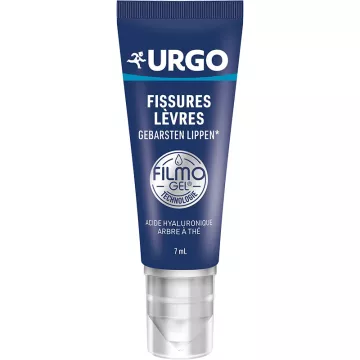
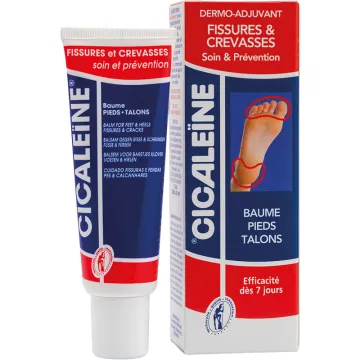
- Common locations: heels (cracked plantar hyperkeratosis), hands (repeated exposure to water or irritants), fingers and spaces between the toes, lips, corners of the mouth (angular cheilitis—which may indicate a deficiency in vitamin B2 or zinc)
- Main causes: chronic or atopic dry skin — cold, dry climate — excessive cleansing with alkaline soaps — age (loss of elasticity and sebum production) — diabetes (neuropathy and dry soles) — psoriasis — hypothyroidism
What natural and active treatments are available for skin cracks?
- Honey: a leading natural healing agent — broad-spectrum antibacterial activity (hydrogen peroxide, defensins-1) — osmotic (attracts water, dehydrates bacteria) — apply a thin layer to the clean crack, cover with a bandage — particularly suitable for cracks with secondary infection — contraindicated in infants under 1 year of age
- Urea (10–40%): mild keratolytic and powerful humectant — at 10–20%: softens hyperkeratosis and moisturizes dry fissures — at 30–40%: softens heel fissures, the most effective active ingredient for this indication — apply in the evening under a cotton sock
- Aloe vera gel: soothing, anti-inflammatory, and wound-healing — provides immediate relief for superficial, inflamed cracks — apply first after cleaning the affected area, before the protective balm
- Coconut oil: film-forming and mildly antibacterial (lauric acid) — protects cracks from external irritants — forms an occlusive film that locks in moisture in cracked areas
- Shea butter: unsaponifiables (vitamins A and E) and unsaturated fatty acids — nourishes and protects cracks on the hands and feet — apply as a thick balm before bedtime under cotton gloves or socks to maximize absorption
- Essential oils: True lavender essential oil (healing and antiseptic) — dilute to 2–5% in a carrier oil (sweet almond, jojoba) — never apply undiluted to cracked skin — perform a 48-hour patch test beforehand — not recommended for pregnant women or children under 6 years of age
What diet should you follow, and when should you seek medical advice for skin cracks?
- Omega-3 (EPA-DHA): maintains membrane fluidity in keratinocytes — reduces chronic skin inflammation — eat fatty fish twice a week; take 2–3 g/day as a supplement
- Vitamin C: cofactor in skin collagen synthesis — accelerates healing — 500 mg to 1 g/day as a course of treatment
- Vitamin E: antioxidant protection of cell membranes — applied topically and as a dietary supplement
- Vitamin A: regulates epidermal cell turnover — deficiency is associated with severe dry skin — dietary sources (liver, egg yolk, orange vegetables)
- Hydration: 1.5 to 2 L/day — zinc (wound healing and skin barrier) — SPF 30+ sunscreen in the summer on exposed, cracked areas
- Consult a doctor or dermatologist if: deep cracks with persistent bleeding—secondary infection (redness, warmth, pus, lymphangitis) — recurrent cracks despite proper care — underlying diabetes or associated systemic disease — wounds that do not heal within 2 weeks