What is vitamin A, and what are its two biological forms?
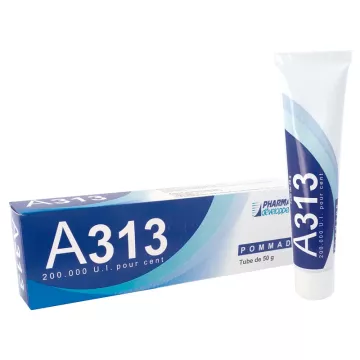
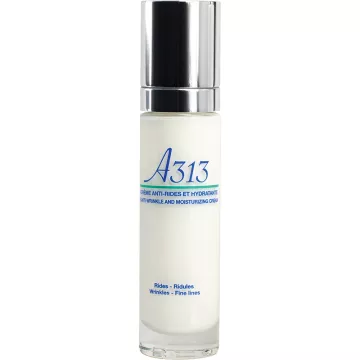
Vitamin A is an essential fat-soluble vitamin that comprises two major families of compounds with distinct properties. As the first vitamin identified by science (1913), it is essential for vision, mucosal immunity, cell differentiation, and growth. Its toxicity in cases of retinol excess—particularly during pregnancy—makes it one of the most important vitamins to measure with precision. For cosmetic applications of retinol, visit our retinol page. Explore our vitamin A formulations and our vitamins page for a comprehensive overview.
- Retinol (preformed vitamin A): the active, directly usable form—found in animal-based foods (liver, eggs, whole dairy products, fatty fish)—stored in the liver (significant reserves)—biologically active upon ingestion—measured in µg of retinol equivalents (RE) or in IU (1 µg RE = 3.33 IU)
- Provitamin A carotenoids: plant precursors converted to retinol in the intestine by beta-carotene-15,15'-dioxygenase — beta-carotene (the most effective) — alpha-carotene — beta-cryptoxanthin — dietary beta-carotene has variable bioavailability (3–28% depending on the food matrix) — non-toxic at dietary doses (the body regulates conversion according to its retinol needs)
- Units and equivalents: Adult RDA (ANSES) = 750 µg ER/day for women, 750 µg ER/day for men — 1 µg retinol = 12 µg dietary beta-carotene (food matrix) = 2 µg supplemental beta-carotene — tolerable upper intake level (UL) for retinol: 3,000 µg/day for adults (EFSA) — during pregnancy: maximum of 800 µg/day of retinol (confirmed teratogenicity)
- Storage: The liver stores up to 85–90% of the body’s vitamin A reserves — liver reserves can meet requirements for several months — retinol-binding protein (RBP4) mobilizes liver reserves according to peripheral needs
- Bioavailability: Retinol is well absorbed (80–90%) in the presence of dietary fats—always take vitamin A with a meal containing fats—carotenoids exhibit highly variable absorption depending on cooking methods (light cooking improves the bioavailability of beta-carotene from carrots) and the presence of fats
Essential biological functions of vitamin A
- Vision: Retinol is converted to retinal (aldehyde) and then to 11-cis-retinal—a cofactor of opsin (a photoreceptor protein) → rhodopsin (rod vision—night vision) — deficiency → night blindness (twilight blindness = first sign of deficiency) — severe deficiency → xerophthalmia (dry eyes), keratomalacia (corneal destruction) → leading preventable cause of blindness worldwide (WHO)
- Mucosal and innate immunity: essential for the integrity of mucosal epithelia (respiratory, digestive, urinary, and genital tracts) — first line of defense against pathogens — activates RAR/RXR receptors → regulation of innate and adaptive immune genes — stimulates the production of mucins (protective mucus) — activation of dendritic cells and regulatory T cells (intestinal immunotolerance)
- Cell differentiation and growth: retinoic acid (ATRA) activates RAR + RXR receptors → regulation of the expression of > 500 genes involved in cell differentiation — essential for embryonic development (heart, nervous system, limbs, eyes) — controls the differentiation of keratinocytes (skin) and respiratory mucosal cells
- Bone health: complex interaction — vitamin A promotes bone resorption via osteoclasts (catabolism) — excess retinol → osteoporosis (documented bone weakening) — synergy with vitamins D and K2 for bone health — vitamin A requirements must be met without exceeding the upper limits to preserve bone health
- Reproduction and fetal development: essential for spermatogenesis — essential for fetal organ development — excess retinol is teratogenic (cardiac, facial, and neurological malformations) → strict guidelines during pregnancy (see below)
Dietary sources, at-risk populations, and deficiency
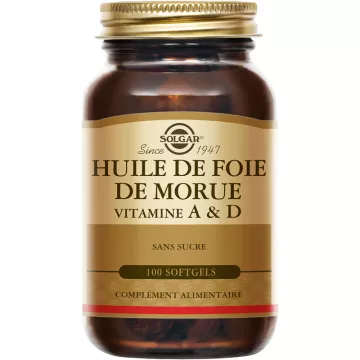
- Sources of retinol (animal-based): beef or poultry liver (4,968–7,000 µg/100 g—the most concentrated source — 1 serving = several weeks’ worth of requirements) — cod liver oil (2,500 µg/100 mL) — whole eggs (160 µg/100 g) — butter (750 µg/100 g) — whole milk (45 µg/100 mL) — full-fat cheeses (dairy products)
Just one serving of liver is enough to meet several days’ worth of retinol needs — limit intake during pregnancy
- Sources of beta-carotene (plant-based): cooked sweet potato 961 µg ER/100 g — raw carrots 835 µg ER/100 g (cooked: better bioavailability) — cooked spinach 524 µg ER/100 g — kale 241 µg ER/100 g — mango 38 µg ER/100 g — fresh apricot 96 µg ER/100 g — lutein (spinach, kale, corn — a carotenoid with no vitamin A activity but which provides additional macular protection)
- Populations at risk of deficiency: strict vegetarians and vegans (no dietary retinol → rely entirely on beta-carotene conversion) — people with fat malabsorption (IBD, cystic fibrosis, cirrhosis) — infants breastfed by a deficient mother — populations in developing countries (severe deficiency = blindness) — chronic alcoholics (depleted liver reserves) — people taking medications that reduce fat absorption (orlistat)
- Signs of deficiency: night blindness (difficulty seeing in the dark—first sign) — xerophthalmia (dry eyes + Bitot’s spots) — dry skin + hyperkeratosis (toad-like skin) — increased susceptibility to ENT and gastrointestinal infections — growth retardation in children
- Zinc: an essential cofactor for the mobilization of hepatic retinol (zinc activates hepatic alcohol dehydrogenase) — a zinc deficiency can exacerbate a functional vitamin A deficiency even if liver stores are sufficient — always check zinc status when vitamin A deficiency is suspected
Supplementation, Toxicity, and Specific Precautions
- Retinol supplementation: only if deficiency is confirmed or in specific situations (malabsorption) — never supplement with retinol without a blood test (serum retinol) — available forms: retinol acetate, retinol palmitate (stable) — therapeutic doses only under medical supervision
- Beta-carotene as a dietary supplement: non-toxic at dietary doses — when taken as a high-dose isolated supplement (> 20–30 mg/day): increased risk of lung cancer in smokers and former smokers (ATBC and CARET studies—results confirmed) → never supplement with high doses of beta-carotene alone in smokers—prefer mixed carotenoids or a diet rich in carotenoids
- Pregnancy—strict guidelines: do not exceed 800 µg/day of retinol (from all sources combined—diet + supplements)—avoid supplements containing more than 700–800 µg of retinol—avoid liver (too high a retinol content) — prenatal vitamins contain beta-carotene (non-teratogenic) instead of retinol — topical retinoid medications (tretinoin, adapalene, isotretinoin) are strictly contraindicated during pregnancy (teratogenic)
- Drug interactions: oral retinoids (isotretinoin, acitretin) + vitamin A = risk of hypervitaminosis A (absolute contraindication) — orlistat + vitamin A = reduced absorption (take the supplement 2 hours before or after) — lipid-lowering drugs (cholestyramine) — reduce the absorption of all fat-soluble vitamins
- Vitamin A and the skin: topical retinoids (vitamin A derivatives— retinol, tretinoin, adapalene) are the most well-documented anti-aging and anti-acne active ingredients in cosmetology—effective against wrinkles, dark spots, acne, and skin renewal — photosensitizing → apply in the evening + SPF 30 required in the morning — combined with vitamin E to minimize irritation