What are vitamins, and how are they classified?
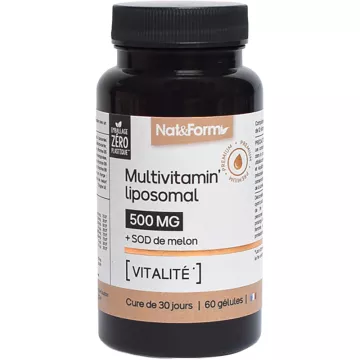
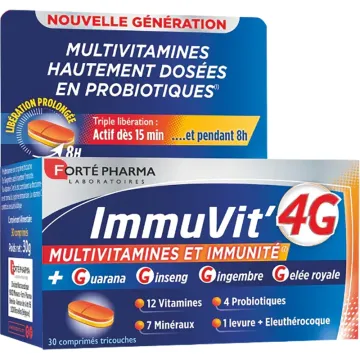
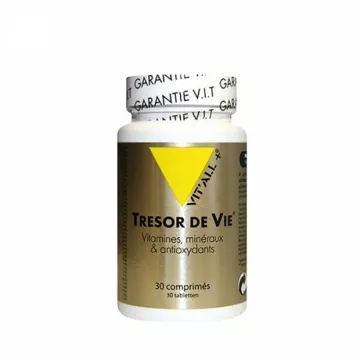
Vitamins are organic micronutrients essential for the body to function properly—humans cannot produce them in sufficient quantities and must obtain them through diet or supplementation. There are two main families with very different properties. Discover our vitamin formulas, vitamin C products, vitamin D supplements, and vitamin E lines.
- Fat-soluble vitamins (A, D, E, K): fat-soluble—stored in adipose tissue and the liver—absorbed with dietary fats (should be taken with a meal containing fats)—risk of toxicity in case of excess (possible accumulation)—Vit. A (retinol + carotenoids) — Vit. D (cholecalciferol D3 + ergocalciferol D2) — Vit. E (tocopherols + tocotrienols) — Vit. K (K1 phylloquinone + K2 menaquinones)
- Water-soluble vitamins (C, B1, B2, B3, B5, B6, B7, B8, B9, B12): water-soluble — not stored (except B12) → excreted in urine — regular daily requirements — generally lower risk of toxicity (excess is eliminated) — the B group comprising 8 distinct vitamins + vitamin C
- Fundamental biological roles: enzymatic cofactors (most B vitamins are coenzymes essential for energy metabolism, DNA metabolism, and amino acid metabolism) — antioxidants (vitamins C, E, beta-carotene — protection of cells against oxidative stress) — hormonal regulation (vitamin D — a true steroid hormone) — protein synthesis + blood clotting (vitamins K, C) — neurology (vitamins B6, B9, B12)
- Recommended Daily Intakes (RDIs) vs. optimal intakes: The RDIs set by the EFSA correspond to the amount needed to prevent clinical deficiencies—they do not always correspond to optimal intakes for the prevention of chronic diseases (e.g., vit. D—RDA 15 µg/day but optimal 1,000–2,000 IU according to many experts)—needs vary by age, sex, pregnancy, and health status
- Bioavailability and synergies: the chemical form influences absorption (retinol > beta-carotene, D3 > D2, methylcobalamin > cyanocobalamin for B12)—synergies between vitamins enhance effectiveness (vitamin C + vitamin E—antioxidant recycling; vitamin D + vitamin K2 — bone and vascular metabolism; folate + B12 — homocysteine metabolism)
Fat-soluble vitamins: roles and sources
- Vitamin A (retinol and beta-carotene): night vision (rhodopsin) — mucosal integrity (first line of immune defense) — cell differentiation and skin renewal — gene regulation (RAR/RXR receptors) — sources of retinol: liver, eggs, whole dairy products — sources of beta-carotene (precursor): carrots, sweet potatoes, red bell peppers, spinach — retinol overdose: hepatotoxic + teratogenic (pregnancy) → never supplement without a medical evaluation
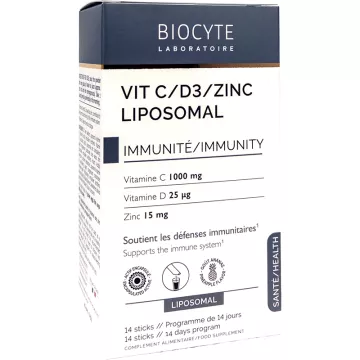
- Vitamin D3 (cholecalciferol): synthesized in the skin under UVB light (primary source) — intestinal absorption of calcium and phosphorus (bone health) — innate and adaptive immunity (VDR receptors in all immune cells) — regulation of the expression of > 200 genes — 80% of the French population is deficient in winter — 1,000–2,000 IU/day recommended from October to March — visit our dedicated page
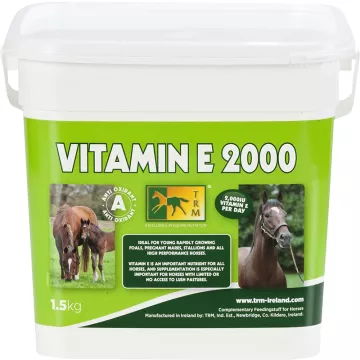
- Vitamin E (tocopherols): fat-soluble antioxidant — protects cell membranes against lipid peroxidation — works synergistically with vitamin C (which regenerates oxidized vitamin E) — 8 natural forms (α, β, γ, δ) — sources: vegetable oils (wheat germ, sunflower), almonds, hazelnuts, avocados — check out our vitamin E formulas
- Vitamin K1 (phylloquinone) + K2 (menaquinones MK-4, MK-7): K1 — blood clotting (synthesis of factors II, VII, IX, X) — found in dark green vegetables (spinach, broccoli, cabbage) — K2 — directs calcium to the bones (osteocalcin) + vascular protection (prevention of arterial calcification) — sources: fermented cheeses, natto, fermented foods — significant synergy with vitamin D3
Water-soluble vitamins: B vitamins and vitamin C
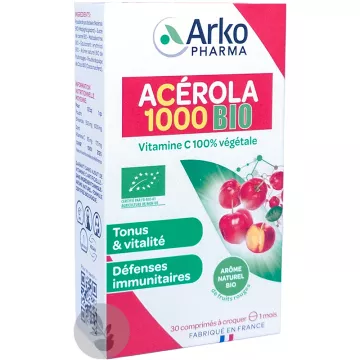
- Vitamin C (acerola): water-soluble antioxidant — collagen synthesis (proline hydroxylation) — immunity (neutrophils, NK cells, antibodies) — absorption of non-heme iron (plant sources) — regenerates oxidized vitamin E — increased needs: smokers (+35 mg/day), immunocompromised individuals, chronic stress — dietary sources: acerola, kiwi, bell peppers, black currants, citrus fruits — visit our dedicated page
- B Vitamins — complex group: B1 (thiamine) — carbohydrate metabolism + neurology — deficiency: beriberi — B2 (riboflavin) — mitochondrial respiratory chain + antioxidant — B3 (niacin) — NAD/NADH coenzymes — energy + DNA repair — B5 (pantothenic acid) — coenzyme A — B6 (pyridoxine) — amino acid metabolism + neurotransmitter synthesis (serotonin, dopamine, GABA) — B7/B8 (biotin) — lipid metabolism + hair/nails — B9 (folic acid/folate) — DNA synthesis + cell division — essential before and during pregnancy (prevention of neural tube defects) — B12 (cobalamin) — nerve myelination + red blood cell formation + homocysteine metabolism — check out our dedicated pages
- Dietary sources of B vitamins: B1, B2, B3 — whole grains, legumes, meats — B6 — poultry, fish, bananas, potatoes — B9 — dark green vegetables, legumes, liver — B12 — exclusively from animal sources (meats, fish, eggs, dairy products) — vegetarians and vegans must take B12 supplements regularly — check out our B-vitamin formulas at the pharmacy
- Vitamin B Deficiencies: Vitamin B12 deficiency is the most insidious (neurological symptoms + anemia + fatigue that can develop over years before being detected) — B9 deficiency is the most serious during pregnancy (neural tube defects) — B6 deficiencies are common among athletes and women taking oral contraceptives
Age-specific requirements, deficiencies, and overdoses
- Requirements based on age and physiological conditions: infants — vitamin D (routine supplementation in France up to 18 months) + vitamin K (injection at birth to prevent bleeding) — children — vitamins A, D, C for growth + immunity — adolescents — iron + B9 + D3 + calcium/D3 for bone growth — pregnant women — B9 (400 µg/day starting at conception) + D3 + iron + iodine — older adults — D3 + B12 (reduced absorption) + K2 + vitamin E
- Main signs of deficiency: fatigue + anemia (B9, B12, B6, iron) — neurological disorders (B1, B6, B12 — numbness, cognitive impairment) — impaired immune function + slow wound healing (vitamins C, D, A) — bone fragility (D3, K2, calcium) — skin problems + brittle hair (A, B7/B8, B2) — impaired night vision (vitamin A) — elevated homocysteine (B6, B9, B12 — cardiovascular risk)
- Overdoses and precautions: fat-soluble vitamins require monitoring — vitamin A (retinol) → liver toxicity + teratogenicity at 3,000 µg/day or more on a continuous basis (never exceed 800 µg/day during pregnancy) — vitamin D → hypercalcemia if > 10,000 IU/day for prolonged periods (blood testing recommended) — vitamin K → interaction with vitamin K antagonist (VKA) anticoagulants → inform the doctor — water-soluble vitamins: Vitamin C > 2 g/day → risk of digestive disorders and kidney stones — Vitamin B6 > 50 mg/day over the long term → peripheral neuropathy (underestimated risk)
- Vitamins and mental health: the link between vitamins and mental health is becoming increasingly well-documented — vitamin D3 deficiency → increased risk of seasonal depression — B9 + B12 → homocysteine regulation + neurotransmitter synthesis — B6 → serotonin + GABA synthesis (mood + anxiety) — magnesium + B vitamins = classic anti-stress/anti-fatigue duo
- Vitamins and Skin, Hair, and Nails: vitamin A (skin renewal, acne) — vitamin C (collagen, radiance) — biotin (B7) (strong hair and nails) — vitamin E (skin barrier protection) — explore our complete lines of vitamins and vitamin A