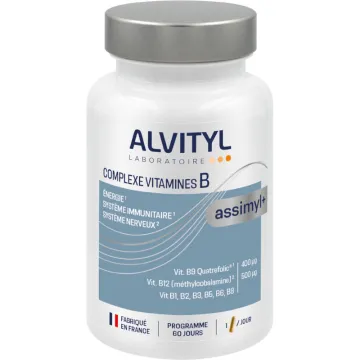
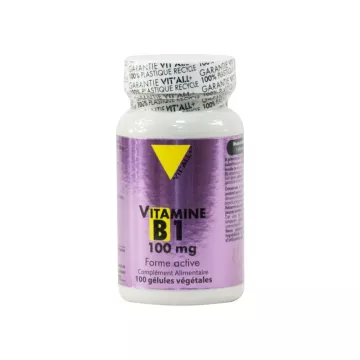
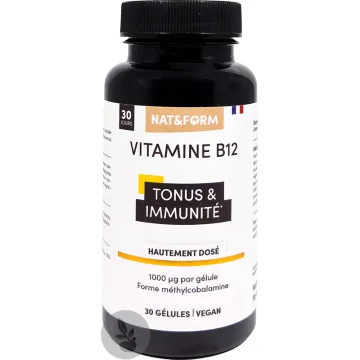
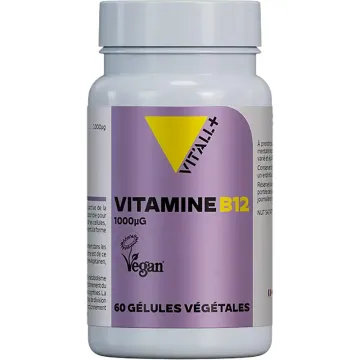
Vitamin B1 (thiamine or aneurine):
It plays a role in many areas:
- Balance of the nervous system
- Carbohydrate digestion
- Metabolism of the heart, muscles, and growth
- Metabolism of carbohydrates, fats, amino acids, glucose, and alcohol
- Transmission of nerve impulses
- Stimulates the heart and nervous system
- Reacts to carbohydrates
- Relieves headaches, sciatica, and rheumatism
- Combats impotence, infertility, and growth disorders
It is found primarily in the following food sources:
- Offal (liver, kidneys, heart)
- Organic egg yolk
- Dairy products
- Grain sprouts
- Whole grains
- Dried vegetables
- Nutritional yeast
- Nuts
- Brown rice
- Polle
- Legumes
A deficiency of this nutrient is known to have caused beriberi among sailors.
But it can also cause many other health conditions:
- Fatigue and depression
- Weakness and muscle atrophy
- Edema
- Loss of appetite, weight loss
- Polyneuritis
- Digestive and cardiac disorders
- Skin problems
This vitamin is particularly essential for smokers, people with alcohol dependence, the elderly, and pregnant women.
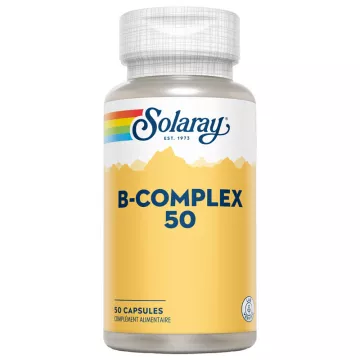
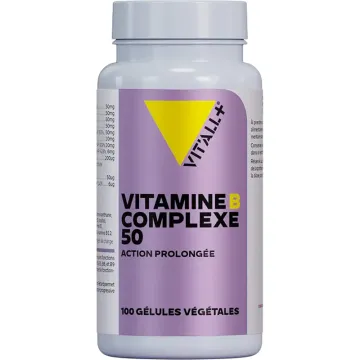
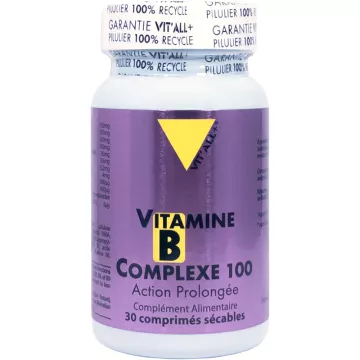
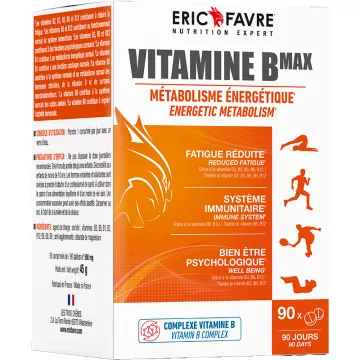
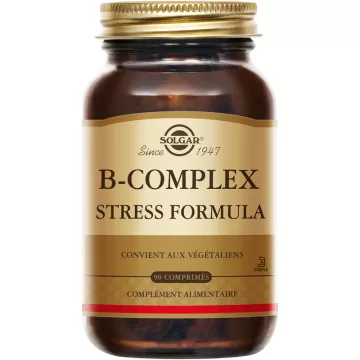
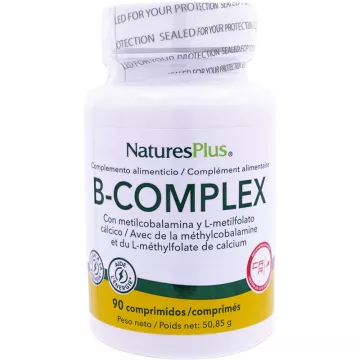
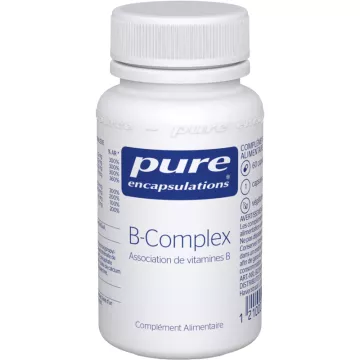
When vitamin B1 intake is insufficient despite a varied diet—in cases of persistent fatigue, low energy, or lifestyle-related imbalances—it may be advisable to turn to products specifically formulated to help meet daily nutritional needs.
Vitamin B2 (riboflavin or lactoflavin):
It plays a role in a wide range of metabolic reactions:
- Carbohydrates
- Fats and proteins, particularly as a coenzyme and electron carrier
- Cellular respiration
- It also plays a role in the synthesis of thyroid hormones
- Promotes the production of red blood cells
- Stimulates the immune system
- Promotes fetal growth during pregnancy
- Prevents or reduces skin and mucous membrane problems, hair loss, fatigue, rheumatism, stiff neck and muscle cramps, lumbago, skin fissures and cracks, stomatitis, excess sebum, stomach pain, conjunctivitis, and excess acidity
It is found primarily in the following food sources:
- Organ meats (liver, kidneys, heart)
- Organic egg yolks and dairy products
- Fish
- Vegetables
- Spinach
- Asparagus
- Broccoli
- Yeast
- Grains
- Sprouts
Although a deficiency is rare, it can nevertheless cause:
- Cataracts
- Lesions in the mouth and on the tongue
- Skin changes
The daily requirement for adults is 1.5 to 1.8 mg.
Vitamin B3 (PP, niacin, or nicotinamide):
Like vitamin B2, it is a component of certain coenzymes involved in numerous cellular processes.
It plays a role in many areas:
- Boosts energy
- Reduces fatigue and neurasthenia
- Supports digestion and cellular respiration
- Regulates hormones
- Reduces insomnia and mental disorders
- Improves blood circulation
- Reduces acne and hay fever
- Prevents inflammation and oral infections
- Prevents depression
- Reduces eye and hearing problems
- Redox reactions, carbohydrate metabolism, and cellular metabolism
It is found primarily in the following food sources:
- Organ meats (liver, kidneys, heart)
- Egg yolks and dairy products
- White meat
- Fish
- Yeast
- Tomatoes
- Mushrooms
- Grains
- Dried vegetables
- Figs
- Dates
- Plums
It is also synthesized by our gut flora from tryptophan (an amino acid).
A deficiency can cause:
- Pellagra or the “three Ds” (dermatitis, dementia, diarrhea)
- Insomnia
- Loss of appetite
- Dermatitis
- Glossitis
- Damage to the digestive tract and the central nervous system (CNS)
Recommended dosage: 6 to 8 mg per liter of blood.
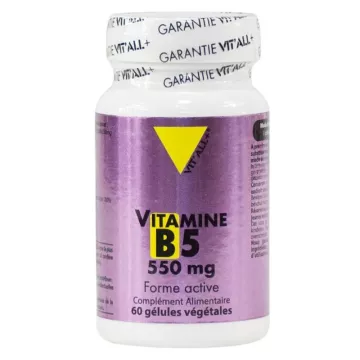
Vitamin B5 (pantothenic acid or panthenol):
Vitamin B5 is an essential component of coenzyme A and plays a role in the metabolism of carbohydrates, fats, and proteins.
It is involved in numerous processes:
- Cell repair
- Promotes wound healing
- Prevents liver disorders, colitis, gastroenteritis, eczema, and leg-related conditions
- Production of cell membranes, certain neurotransmitters, and hormones
- Stimulates a wide range of functions: hair and nail health, muscle function, adrenal glands, and stress relief
Most foods contain it:
- Yeast
- Whole-grain flours
- Organic eggs
- Mushrooms
As a result, deficiencies are rarely seen, except in people with alcohol dependence and pregnant women.
Vitamin B6 (pyroxine, pyridoxine, pyridoxamine, pyridoxal, adermine, or vitamin G):
Vitamin B6 plays a role in the metabolism of proteins (especially tryptophan) and fats.
It plays a role in many processes:
- Promotes protein absorption
- Improves memory
- Metabolism of amino acids and proteins
- Synthesis of certain neurotransmitters
- Prevents or reduces atherosclerosis, anemia, alcohol-induced nervous system disorders, certain types of depression, cardiovascular disorders, and skin conditions
It is found primarily in the following food sources:
- Organ meats (kidneys, heart, liver)
- Yeast
- Peas
- Spinach
- Broccoli
- Cabbage
- Mushrooms
- Fish
It is also produced by our gut flora.
The consequences of a deficiency are:
- Anemia
- Neuropathies
- Skin and neurological disorders
- Seizures
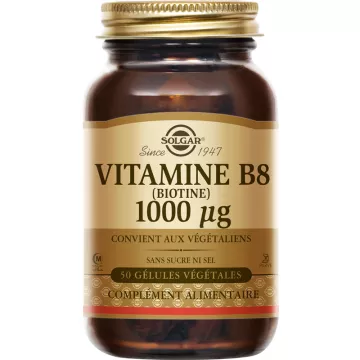
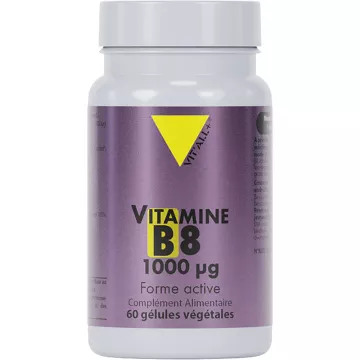
Vitamin B8 (biotin or vitamin H):
Vitamin B8 is produced by bacteria in the gut flora.
It plays a role in:
- Fatty acid synthesis (helps convert fatty acids)
- Energy production
- The metabolism of carbohydrates, proteins, amino acids, and lipids
- Growth
Most foods contain it:
- Egg yolks, meats, vegetables
- Soy
- Lentils
- Grains
- Fish
- Nuts
- Vegetables
- Fruits
Deficiency is extremely rare. It is prescribed for certain skin conditions.
Vitamin B9 (folic acid, pteroglutamic acid, antipernicious factor, or folacin):
Vitamin B9 is not synthesized by the body and must be obtained through supplementation. It is also known as vitamin BC or vitamin M. Levels gradually decrease during pregnancy, and supplemental intake is recommended for pregnant women.
It plays many roles:
- Hematopoiesis
- Production of genetic material
- Development of the fetal nervous system
- Synthesis of nucleic acids
- Maturation of red blood cells
- DNA synthesis
- Improved neuronal function
- Promotes cell renewal (recommended for pregnant women) and optimizes the nervous and immune systems
- Prevents or reduces diarrhea, anemia, weight loss and loss of appetite, headaches, palpitations, irritability, and chronic stress
It is essential for the nervous system.
The consequences of a deficiency are:
- Diarrhea
- Loss of appetite and weight
- Megaloblastic anemia
- Mucosal damage
- Growth retardation
- Affection of rapidly dividing cells, particularly blood cells
It is found primarily in the following food sources:
- Abundant in brewer’s yeast (Saccharomyces cerevisiae)
- Liver
- Eggs
- Certain cheeses
- Organ meats (except for pregnant women, due to high vitamin A content)
- Legumes
- Cooked green vegetables
- Flaxseeds
Vitamin B12 (cobalamin or cyanocobalamin)
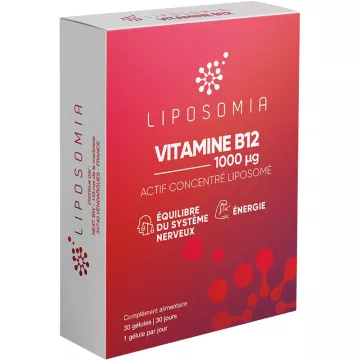
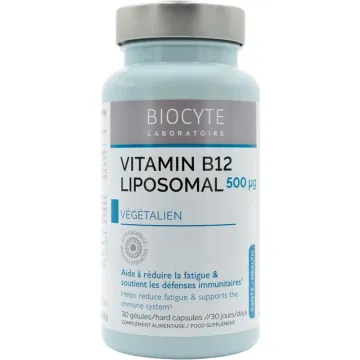
Vitamin B12 helps prevent anemia because it plays an important role in erythropoiesis (the production of red blood cells).
It has many functions:
- Maturation of red blood cells
- Promotes digestion
- Neural function
- Promotes the absorption of carbohydrates, fats, and phosphorus
- Promotes the synthesis and absorption of proteins
- DNA synthesis
- Supports nervous system function
- Prevents or reduces hair loss
The consequences of a deficiency are:
- Megaloblastic anemia
- Neurological deficits
Deficiency is observed only in vegan diets and can cause Biermer’s anemia, atrophy of the digestive mucosa, and the gradual loss of deep sensation. The tongue becomes smooth and painful.
It is found primarily in the following food sources:
- Liver (beef, veal, lamb)
- Fish and shellfish
- Eggs
- Camembert and Emmental
What vitamins and minerals can be found on the Soin-et-Nature website?
Soin-et-Nature offers a wide range of vitamin and mineral supplements to meet your body’s specific needs. Here are the main categories available:
- To address magnesium deficiencies, specialized supplements promote muscle and nerve relaxation.
- For a complete and balanced intake of essential nutrients, multivitamins support the body’s overall functioning.
- To maintain good eye and skin health, vitamin A supplements are essential.
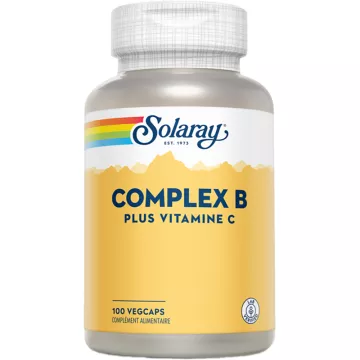
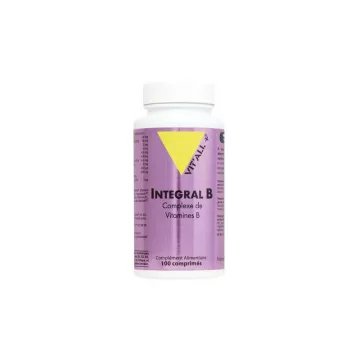
- To boost energy and support metabolism, B vitamins offer a comprehensive solution.
- To strengthen the immune system and combat fatigue, vitamin C plays a key role.
- To preserve bone health and support immunity, vitamin D supplements are available.
- To protect cells from oxidative stress, vitamin E acts as a powerful antioxidant.
- Vitamin K is essential for proper blood clotting and bone health.
- To maintain healthy bones and teeth, calcium is an essential nutrient at every stage of life.
- To prevent anemia and maintain good energy levels, iron supplements are available.
- To harness the benefits of marine magnesium, this natural formula helps reduce fatigue and restore nervous system balance.
- Zinc is an essential trace mineral for strengthening the immune system and promoting healthy skin.
These dietary supplements, available on Soin-et-Nature, help round out your diet and support your health in a natural and targeted way.