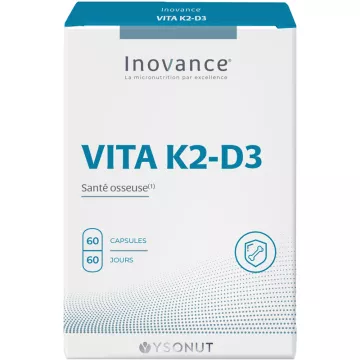
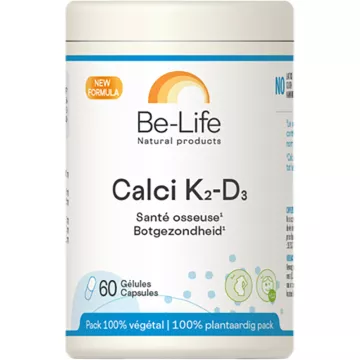
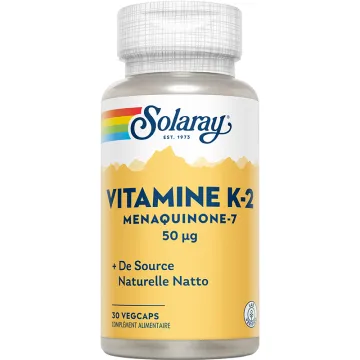
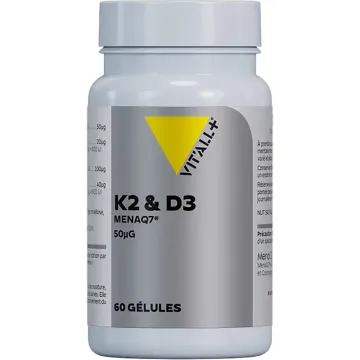
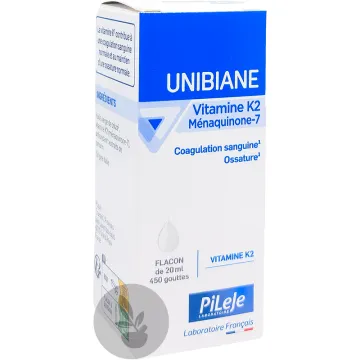
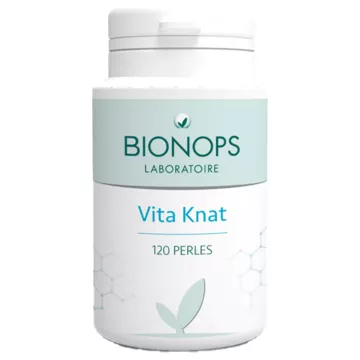
Essential yet often underestimated, vitamin K plays a key role in vital functions such as blood clotting,calcium absorption into the bones, and maintaining bone metabolism balance. At Soin-et-Nature.com, you’ll find a wide selection of vitamin K1 and K2 products, specially designed to support key life stages: growth, postmenopause, recovery, or simply to help prevent imbalances. Whether you’re looking for a convenient format like drops, capsules, or tablets, each formula has been selected to promote bone strength and reduce the risks associated with vitamin K deficiency—all with ease.
More details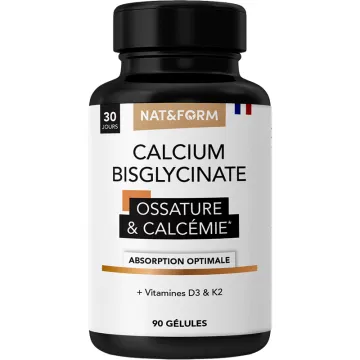
Vitamin K is a fat-soluble vitamin that plays a fundamental role in several vital bodily functions. Essential for blood clotting, bone health, and regulating calcium levels, it is also recognized for its benefits to cardiovascular health. Although this vitamin is present in the diet, it can be supplemented with dietary supplements to meet each individual’s specific needs.
Vitamin K comes in two main forms: vitamin K1, or phylloquinone, and vitamin K2, or menaquinone. The first is primarily found in plant-based foods such as green vegetables, while the second is produced by gut bacteria and is present in animal-based products such as eggs, liver, and fermented dairy products.
Although these two forms are slightly different, they play complementary roles in the body. Vitamin K1 is primarily involved in blood clotting, while vitamin K2 is more effective for bone health and the prevention of cardiovascular disease, thanks to its ability to regulate calcium absorption.
Vitamin K is essential for several reasons. First, it helps form blood clots, a vital mechanism that helps stop bleeding in the event of an injury. Without it, the clotting process would be ineffective, which could lead to dangerous hemorrhages. It also activates specific proteins that ensure calcium is deposited in the bones, giving them strength and density.
In addition, vitamin K plays an important role in preventing cardiovascular disease. It works by preventing calcium buildup in the arteries—a process that can cause them to harden, thereby increasing the risk of heart disease. Furthermore, it has anti-inflammatory properties, promoting better overall health and a stronger immune system.
Vitamin K is found in many foods, so a balanced diet generally provides enough to meet daily needs. Leafy green vegetables, such as spinach, kale, and broccoli, are among the best natural sources of vitamin K1. As for vitamin K2, it is found in fermented foods such as natto (a soy-based product) and cheese, as well as in animal products such as liver and egg yolks.
However, dietary intake may sometimes be insufficient, particularly among people with unbalanced diets or digestive disorders. In these cases, dietary supplements are an effective option for ensuring optimal intake.
Vitamin K deficiency is relatively rare in adults, but it can occur in certain specific situations. For example, newborns, who are born with very low reserves of this vitamin, are particularly at risk. People with chronic conditions that affect fat absorption, such as Crohn’s disease, may also develop deficiencies.
Signs of a deficiency include prolonged bleeding, even from minor injuries, and increased bone fragility, leading to a higher risk of fractures. In the long term, a deficiency can also contribute to arterial calcification, thereby increasing cardiovascular risks.
Dietary supplements can be particularly helpful for people with increased needs or who have difficulty getting enough vitamin K from their diet. This includes older adults, who are often prone to decreased bone density, as well as those taking medications that interfere with the absorption of fat-soluble vitamins.
Vitamin K2 supplements are generally preferred because they are better absorbed and more effective at supporting bone and cardiovascular health. They can be easily incorporated into your daily routine, particularly by taking them with a high-fat meal to maximize their bioavailability.
Before starting vitamin K supplementation, it’s essential to consult a healthcare professional, especially if you’re taking blood thinners or other medications. Vitamin K can interfere with these treatments, requiring dose adjustments or specific medical monitoring.
To increase your vitamin K intake naturally, prioritize meals rich in green vegetables such as spinach, cabbage, or broccoli. Add eggs, fermented dairy products, and foods like liver to your meals to benefit from vitamin K2. A varied and balanced diet remains the key to meeting your body’s nutritional needs.
Vitamin K is an essential nutrient that plays a central role in blood clotting, bone strength, and cardiovascular health. Although most people can get enough vitamin K from their diet, dietary supplements can be a practical and effective solution for meeting specific needs.
At Soin et Nature, we offer a selection of high-quality dietary supplements designed to meet your vitamin K needs. Whether you’re looking to improve bone health, prevent heart disease, or simply maintain optimal balance, vitamin K can be a valuable ally for your everyday health.
Soin-et-Nature offers a wide range of vitamin and mineral dietary supplements to meet various health and wellness needs. Here are the available categories:
These vitamins and minerals, available on Soin-et-Nature, help supplement your diet while meeting your specific health and wellness needs.