What is urea?
Urea is a compound naturally present in the skin, where it is part of the Natural Moisturizing Factor (NMF). Within the stratum corneum, it helps retain moisture, maintain skin suppleness, and support the physiological renewal of surface cells.
In cosmetics, urea is used for two well-documented properties that vary depending on concentration: moisturizing at low doses, and keratolytic (removal of excess keratinized cells) at higher concentrations. It is traditionally recommended for dry, rough, dehydrated skin, or skin with a thickened stratum corneum, and it is used as part of the treatment for certain chronic skin conditions such aseczema or psoriasis.
What are the benefits of urea?
Urea combines several well-studied effects on the skin:
- Hydration: retains water in the stratum corneum and supports the skin barrier.
- Softening effect on rough areas (elbows, knees, heels).
- Gentle exfoliation at concentrations of approximately 10% or higher: gradually removes excess dead skin cells and smooths the skin’s texture.
- Soothes skin that feels tight or itchy.
- Supports skin recovery in cases of chapping, cracks, and very dry areas.
- Optimizes the penetration of subsequent skincare products through its humectant and keratolytic effects.
- Helps manage calluses, corns, and cracked heels when applied topically.
- Providesrelief for skin comfort in areas affected by eczema or psoriasis (as an adjunct to prescribed treatment).
Urea does not “cure” eczema or psoriasis: it complements other treatments but does not replace a topical corticosteroid or medical treatment when indicated.
How is urea used in cosmetics?
Urea is found in many dermatological products in various concentrations, and its effect varies depending on the dosage:
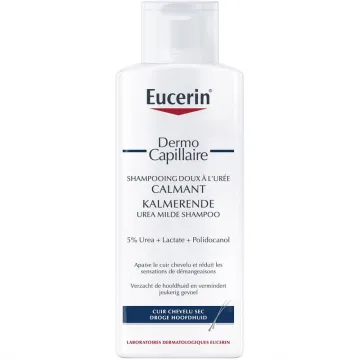
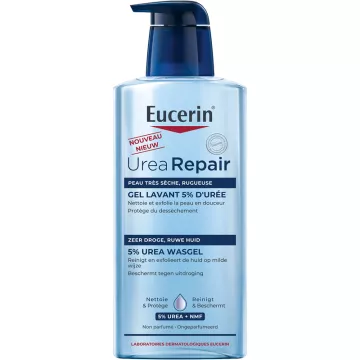
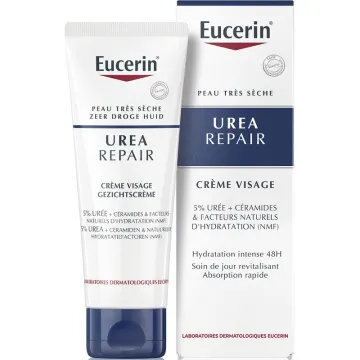
- 2 to 5%: primarily moisturizing action, suitable for the face and dry, sensitive skin.
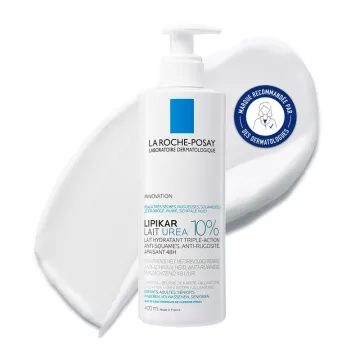
- 5 to 10%: moisturizing and softening action, useful for the hands, arms, and legs in cases of severe dryness.
- 10 to 20%: gradual keratolytic effect, recommended for thickened areas (elbows, knees, heels), follicular keratosis, or flaky skin.
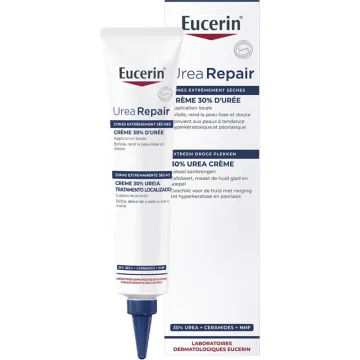
- 20–30%: strong keratolytic action, indicated for severe calluses, severely cracked heels, or certain dermatological conditions.
- Above 30% and up to 40%: targeted dermatological use, prescribed by a doctor for specific indications (keratoses, adjunctive treatment of certain nail fungal infections).
Applications by area:
- Face: cream or emulsion containing 2–5% urea, applied morning and evening to clean skin.
- Body and dry hands: 5–10% urea as part of a daily routine.
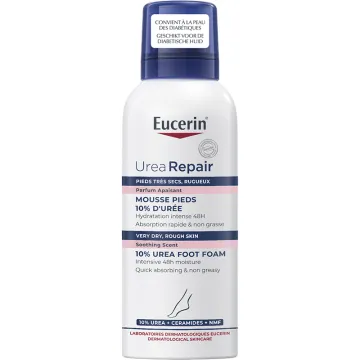
- Feet, heels, elbows, knees: 10–30% urea, applied in the evening, possibly under occlusion (cotton socks after application to the feet).
Always perform a patch test on a small area before using a high concentration for the first time. Do not apply to open wounds, irritated skin, or active eczema.
Is urea suitable for dry and atopic skin?
Yes, urea is one of the most commonly used active ingredients in dermocosmetics for atopic skin and xerosis. It:
- Supports the skin barrier and limits transepidermal water loss.
- Provides long-lasting comfort to skin prone to tightness and itching.
- Fits into emollient regimens (often prescribed by dermatologists for atopic dermatitis).
It is frequently combined with other moisturizing and lipid-based active ingredients such as glycerin, ceramides, or shea butter for a synergistic effect.
Precautions: On atopic skin experiencing an active inflammatory flare-up, high concentrations of urea may cause a tingling sensation. In such cases, use lower concentrations (2–5%) or wait until the flare-up has subsided before using more concentrated products.
Can urea be used to exfoliate the skin?
Yes, at concentrations of approximately 10% or higher, urea has a gradual keratolytic effect:
- It removes dead skin cells that have accumulated on the surface.
- It smooths the skin’s texture and reduces roughness.
- Reduces the appearance of keratosis pilaris (“chicken skin” on the arms, thighs, and buttocks).
It is a gentler alternative to AHAs and BHAs for sensitive skin types seeking gradual chemical exfoliation. Unlike fruit acids, urea does not significantly photosensitize the skin, although sunscreen is still recommended as part of your daily routine for the face and exposed areas.
Is urea recommended for feet and calluses?
Yes, urea is the go-to active ingredient for dry feet, calluses, corns, and cracked heels. Recommended concentrations:
- 10–15% for daily care of dry feet.
- 20 to 30% for severe calluses, corns, and severely thickened heels.
Application tip: Apply a cream or balm with a high urea content in the evening, massage until absorbed, and put on cotton socks to promote absorption overnight. For deep or painful cracks, consult a podiatrist or your doctor, especially if you have diabetes (diabetic feet require specific medical monitoring).
What is the difference between natural and synthetic urea?
Natural urea is produced by the body and is found in the skin’s NMF and in sweat. The urea used in cosmetics is synthetic: it is produced in a laboratory from ammonia and carbon dioxide, resulting in a pure, stable, and traceable molecule. Chemically, synthetic urea is identical to natural urea: there is no difference in tolerance or efficacy.
Cosmetic urea is biodegradable and generally well-tolerated, but may cause temporary tingling at high concentrations or on damaged skin. Always follow the product’s instructions.
In what forms are urea-based skincare products available?
Urea is available in a wide range of formulations:
- Low-concentration (2–5%) facial creams and emulsions.
- Body lotions, creams, and balms with moderate concentrations (5–10%).
- Hand and foot creams containing 10–30%.
- Lotions and targeted treatments for keratosis pilaris (10% on average).
- High-concentration dermatological creams (up to 40%) dispensed under professional guidance for specific indications.
Choose formulas free of irritating fragrances and denatured alcohol listed early in the INCI list, especially for sensitive or atopic skin. The presence of complementary active ingredients (ceramides, glycerin, panthenol, allantoin) enhances the repairing and moisturizing effects.
Does urea have any contraindications?
Urea is generally well tolerated, but some precautions are necessary:
- Open wounds, irritated skin, or active eczema: avoid, especially with high concentrations (may cause a burning sensation).
- Face: Opt for low concentrations (2–5%), as high concentrations are too keratolytic for the delicate skin of the face.
- Eye area and mucous membranes: avoid.
- Diabetic feet: Do not self-treat calluses; seek medical and podiatric advice.
- Mild peeling or tingling may occur when first using high concentrations: this is a normal sign of the keratolytic effect; adjust the concentration based on tolerance.
- Pregnancy and breastfeeding: Urea is generally considered low-risk, but seek advice regarding prolonged use at high concentrations.
- Always use a moisturizer in conjunction with this product to minimize reaction-induced dryness.
In the event of an unusual reaction or a progressive skin condition, a dermatological consultation is recommended to guide treatment.