Xerosis (from the Greek xeros, meaning “dry”) is the dermatological term for chronic skin dryness that is more pronounced and persistent than simple, temporary dehydration. Clinically, it is characterized by skin that feels rough to the touch, is thin, dull, and sometimes slightly scaly; it feels tight after washing and cracks in skin folds. The skin barrier is compromised: ceramide production is reduced, the hydrolipid film is depleted, and insensible water loss is increased. Xerosis can be primary (constitutional) or secondary to a condition (atopic eczema, ichthyosis, hypothyroidism, diabetes, medications). Its cosmetic management is based on the long-term restoration of the skin barrier.
Several well-documented active ingredients are key components of anti-xerosis skincare:
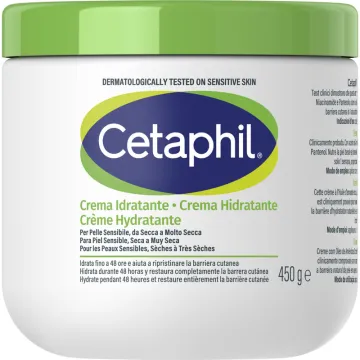
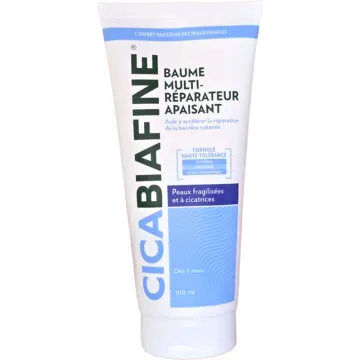
Leading brands for established xerosis: Lipikar AP+ by La Roche-Posay, XeraCalm AD by Avène, Atoderm Intensive by Bioderma, Eucerin UreaRepair, Dexeryl, Cicabiafine. Apply at least once a day, ideally twice, to skin that is still damp after showering.
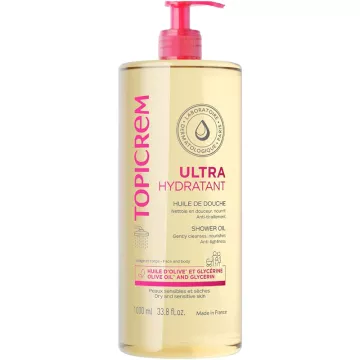
Cleansing is the step most often implicated in the worsening of xerosis. Opt for soap-free syndets (synthetic detergents) with a pH close to 5.5, or ultra-moisturizing soaps enriched with nourishing agents. Cleansing oils cleanse without disrupting the skin barrier (Lipikar Cleansing Oil, Atoderm Shower Oil, Trixera Selectiose). Avoid at all costs: traditional alkaline Marseille soaps, heavily scented commercial shower gels containing harsh sulfates, very hot water (40°C maximum), and prolonged baths. Pat dry—never rub. Apply the emollient within 3 minutes —this is the optimal time for absorption, while the skin is still warm and damp.
The face requires specialized formulas that are lighter than those used on the body. In the morning: a gentle cleanser or no-rinse micellar water, a hyaluronic acid serum applied to damp skin, a nourishing cream rich in ceramides and glycerin, and sunscreen. In the evening: Remove makeup with a plant-based oil (jojoba, sweet almond) followed by a syndet cleanser and a lipid-replenishing balm. On dry skin, avoid strong active ingredients (retinol, AHA, BHA, concentrated vitamin C) until the skin barrier is restored. Expert facial skincare brands: Toleriane Dermallergo by La Roche-Posay, Tolérance Extrême by Avène, Sensibio H2O by Bioderma, Hydratique by Uriage.
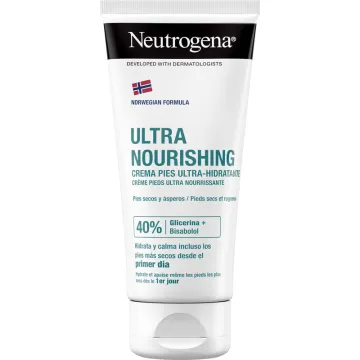
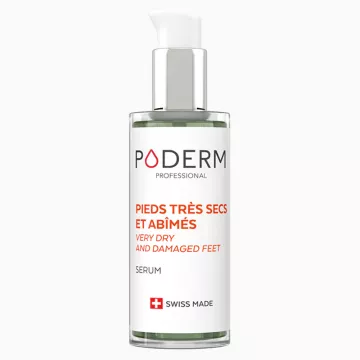
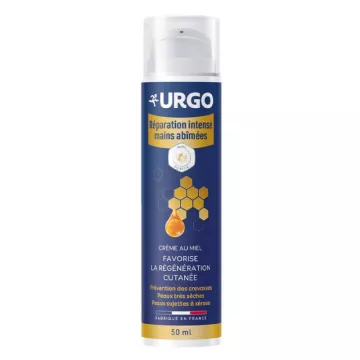
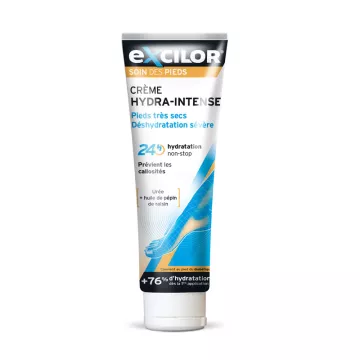
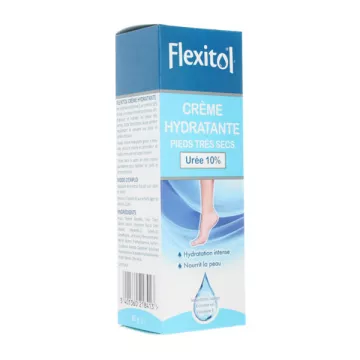
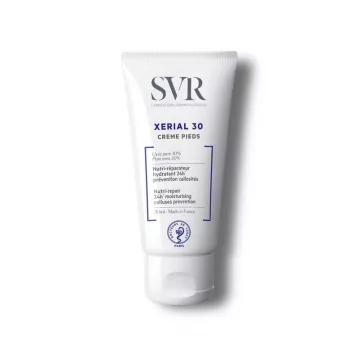
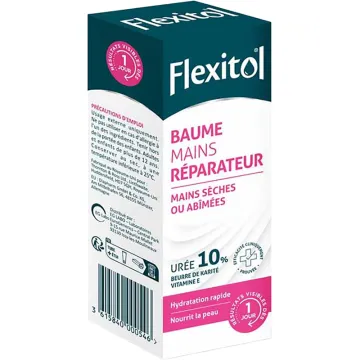
The extremities are particularly vulnerable to dry skin. For the hands, apply a lipid-replenishing balm after each wash; ideally, wear cotton gloves at night to enhance absorption. For feet, use balms containing 10–25% urea (Akildia, Xerial, Akileïne, Eucerin UreaRepair Foot Cream), which soften and moisturize areas with excessive keratinization. Cracked heels benefit from being wrapped in cotton socks at night after applying an occlusive cream. For elbows and knees, apply a rich balm containing panthenol and shea butter. Follow this routine twice daily for the most severely affected areas.
Oral supplementation enhances topical treatments:
Severe, sudden-onset, or emollient-resistant xerosis may indicate an underlying condition warranting further investigation: hypothyroidism (cold skin, fatigue, weight gain), poorly controlled diabetes (dry skin on the legs, feet, and scalp), chronic kidney disease, cholestatic liver disease, certain medications (long-term diuretics, statins, oral retinoids, chemotherapy, immunosuppressants), or a deficiency in omega-3 or vitamin A. Dry skin that appears or worsens suddenly after age 50, or that is accompanied by generalized itching, warrants a medical consultation for an appropriate evaluation.
Taking frequent, prolonged hot showers (hot water strips the skin of its natural oils), using harsh or alkaline soaps, neglecting to apply daily emollients, exposing the skin to dry cold or central heating without compensatory moisturization, rubbing with a towel or exfoliating glove, and using perfumed cosmetics on sensitive, dry skin. Homemade baking soda should be avoided (its alkaline pH permanently disrupts the skin’s physiological pH of approximately 5.5). Insufficient water intake, a diet low in essential fatty acids, and long-term smoking deplete the skin’s hydration from within.