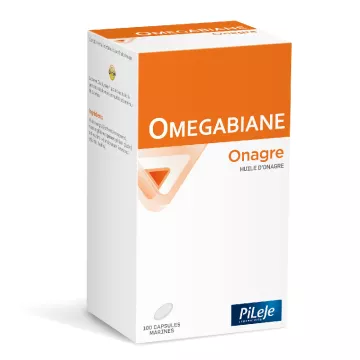
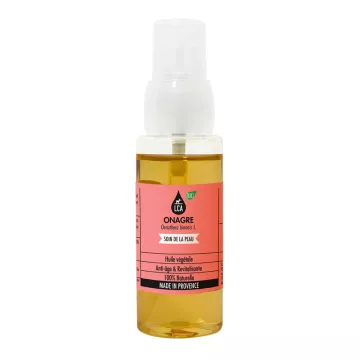
Evening primrose (Oenothera biennis), also known as “evening primrose,” is a plant native to North America that is now widely cultivated for its seeds, which are rich in essential fatty acids. Its oil, extracted from the seeds, is an exceptional source of gamma-linolenic acid (GLA), an omega-6 fatty acid whose use for premenstrual syndrome is recognized by the European Medicines Agency (EMA).
What are the benefits of evening primrose?
Evening primrose, primarily used in the form of oil rich in essential fatty acids, is part of routines aimed at women’s well-being and skin health. Its main benefits include:
- Support for the menstrual cycle and PMS: traditionally used for premenstrual symptoms (EMA-recognized, well-established use)
- Supporting skin comfort: moisturizes and soothes dry skin, supports the skin barrier
- Relief from mild women’s discomforts: traditional use for minor menopausal symptoms
- Cosmetic benefits: rich in vitamin E and fatty acids; contributes to skin elasticity and radiance
In what form should evening primrose be consumed?
Evening primrose is primarily consumed as oil extracted from the seeds, available in various formulations for different uses and suitable for damaged or dull hair.
- In softgels/capsules: 1,000 to 2,000 mg per day, a convenient form for multi-month treatment regimens
- As pure evening primrose oil: a few drops on the skin or scalp, or mixed with a cream
- As a cosmetic supplement: added to creams, oils, or shampoos to enhance moisturizing effectiveness
- For culinary use: added cold to salad dressings (do not heat; sensitive to oxidation)
Does evening primrose oil help with PMS and menopause?
The EMA recognizes a well-established use of evening primrose oil for “the mild reduction of premenstrual syndrome symptoms.” Clinical trials report a reduction in breast tenderness, painful periods, and irritability after several cycles of use. For menopause, the EMA recognizes a traditional use for mild symptoms, based on moderate evidence. This use is not a substitute for medical advice in cases of severe symptoms.
Does evening primrose improve the skin and hair?
Evening primrose is particularly valued for its cosmetic benefits for the skin and hair. Rich in GLA and vitamin E, it supportsskin elasticity and hydration, which is especially beneficial for mature skin.
- Hydration and skin barrier: supports suppleness and radiance; sootheseczema and psoriasis (without replacing medical treatment)
- Scalp comfort: nourishes and soothes, reduces hair loss caused by temporary imbalances
- Nail strengthening: the oil helps strengthen brittle nails and prevent fragility
- Mild joint comfort: general anti-inflammatory action that supports joint comfort
What is the recommended dosage for evening primrose?
The dosage of evening primrose depends on the form chosen and the intended use. To support the skin barrier, regular use is required.
- Oral use: 500 to 2,000 mg per day depending on the product, taken with meals
- Recommended duration: At least 3 months for benefits related to PMS or women’s discomforts
- Topical application: a few drops undiluted on dry or irritated areas, 1 to 2 times a day
- Tip: Ask your pharmacist to adjust the dosage to suit your needs
What are the contraindications for evening primrose oil?
Although natural, evening primrose oil should be used with caution, particularly during pregnancy and breastfeeding.
- Pregnancy and breastfeeding: avoid or use only under medical supervision
- Anticoagulant therapy: risk of additive effects on blood thinning; seek medical advice
- Hormone therapy: possible interaction with menopause or fertility treatments
- Allergy to the Onagraceae family: a rare allergy but one to consider
- Possible side effects: mild digestive issues, headaches, skin reactions
Any severe allergic reaction, such as angioedema (facial swelling, difficulty breathing), requires immediately calling 15 or 112.
How to Choose a High-Quality Evening Primrose Oil?
To reap the benefits of evening primrose, product selection is just as important as dosage. An oil rich in essential fatty acids ensures optimal effectiveness.
- Cold-pressed extraction, without chemical solvents, preserving the active ingredients
- Organic certification, guaranteeing the absence of pesticides
- High GLA content: at least 8–10%, ideally indicated on the label
- Opaque packaging to protect the fatty acids from oxidation
- Stabilized with vitamin E to extend shelf life
- Availability: capsules at pharmacies, virgin oil at organic and specialty stores