What are the main causes of brittle nails?
Brittle nails (fragile, brittle, splitting, or breaking easily) are often the result of several interrelated factors:
- Mechanical and chemical factors: repeated exposure to water and detergents, acetone-based nail polish removers, and the repeated application of long-lasting and semi-permanent nail polish; microtrauma (using nails as tools, nail-biting).
- Nutritional deficiencies: A deficiency in iron, zinc, biotin (in cases of confirmed deficiency), vitamins A, C, D, or protein can affect nail quality. The best way to assess this is through laboratory testing rather than visual inspection.
- General medical conditions: thyroid disorders (hypothyroidism or hyperthyroidism), autoimmune diseases, anemia, malnutrition, and certain treatments (chemotherapy, oral retinoids).
- Dermatological conditions: nail psoriasis, lichen planus, onychomycosis (fungal infection).
- Hormonal and physiological factors: menopause, postpartum, aging.
If brittle nails develop without an obvious cause or are accompanied by other symptoms (hair loss, fatigue, digestive problems, changes in nail color), it is advisable to seek medical advice to guide further evaluation.
How can you strengthen brittle nails at home?
Several simple steps can improve nail health over the course of a few months:
- A varied diet rich in protein, iron, zinc, B vitamins, and omega-3 fatty acids.
- Mechanical protection: wear gloves when cleaning, doing dishes, gardening, and working with water.
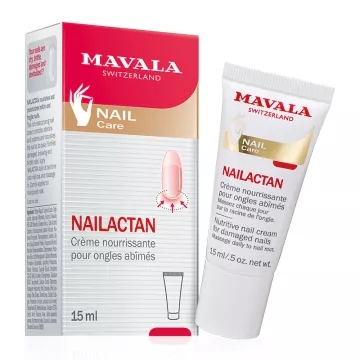
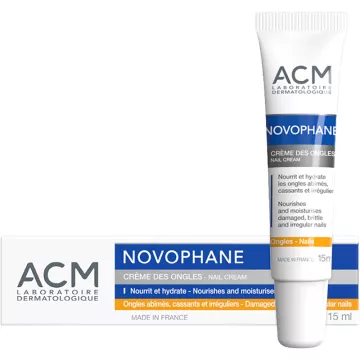
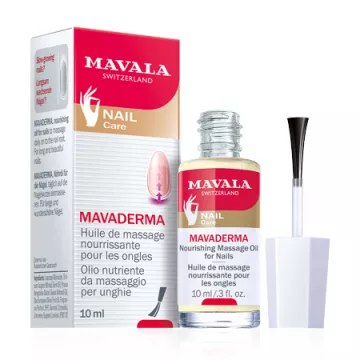
- Dailymoisturizing of the cuticles and nail plate (vegetable oil, hand and nail balm).
- Space out nail polish applications and opt for 3-free, 5-free, or 10-free formulas (free of formaldehyde, toluene, dibutyl phthalate, etc.).
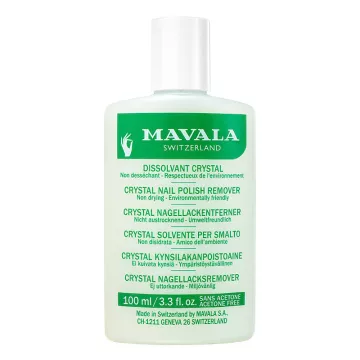
- Acetone-free nail polish removers, which are gentler on the periungual film.
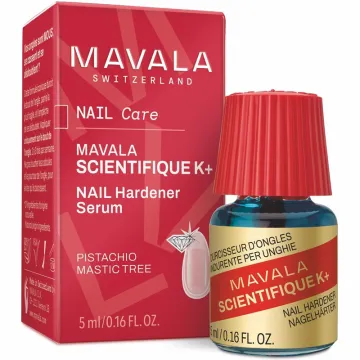
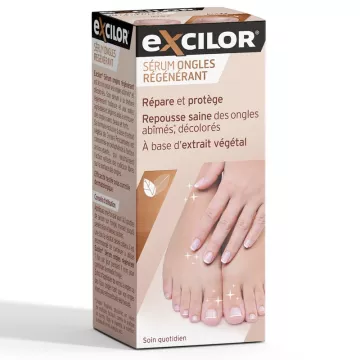
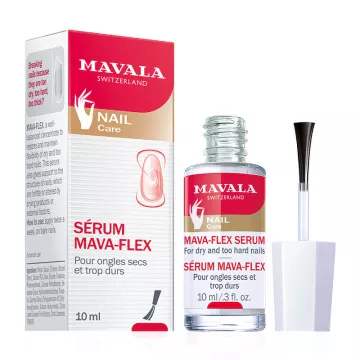
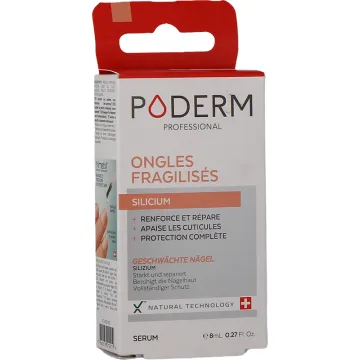
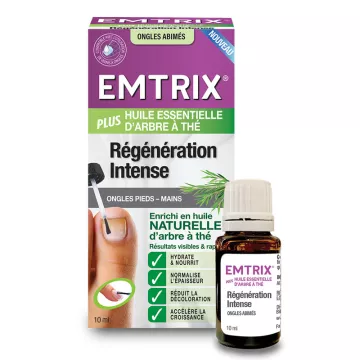
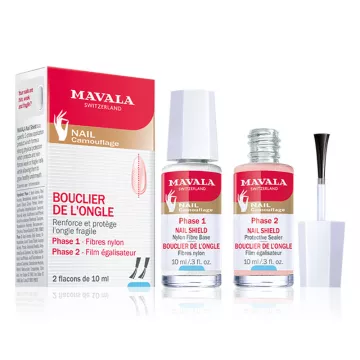
- Formaldehyde-free cosmetic nail hardener: Formaldehyde is classified as a Group 1 carcinogen by the IARC; its concentration in cosmetics is strictly regulated by Regulation (EC) No. 1223/2009 (precise limits, mandatory labeling above a certain threshold). Opt for formulas based on hydrolyzed proteins, minerals, or ceramides.
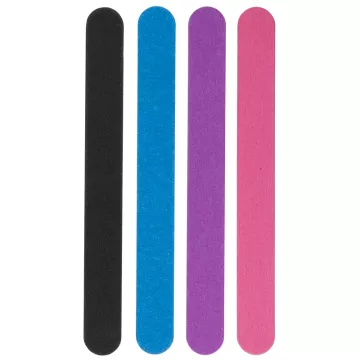
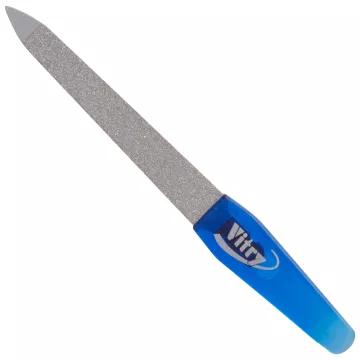
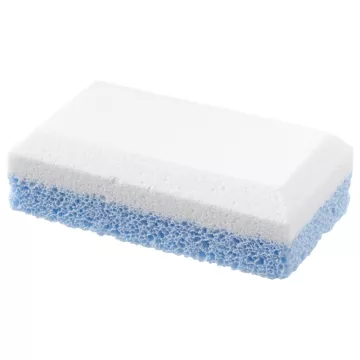
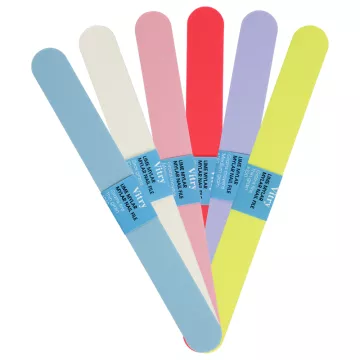
- Gently file in one direction only (no back-and-forth motion), using a fine-grit finish.
What professional treatments are available for brittle nails?
At a salon or beauty spa, several professional treatments can complement your at-home routine:
- Hot oilmanicure: deep hydration of the cuticles and nail plate.
- Nail treatments based on cosmetic keratin or proteins: creates a protective coating on the nail surface.
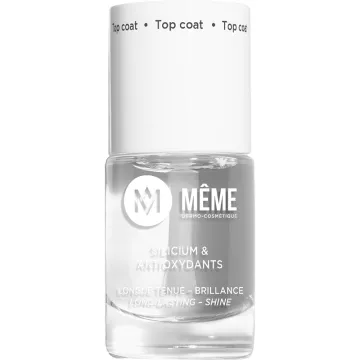
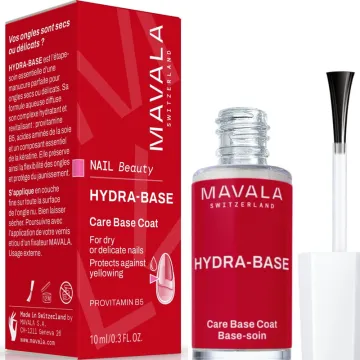
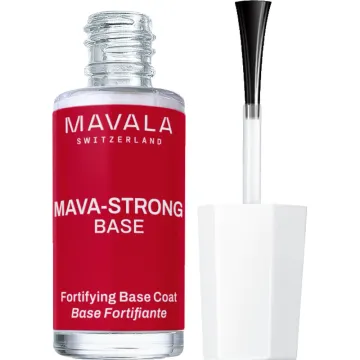
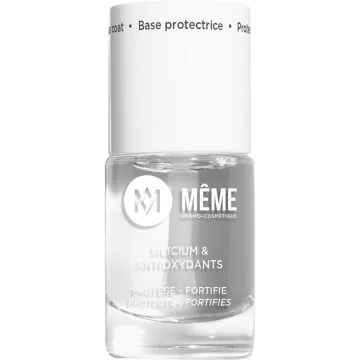
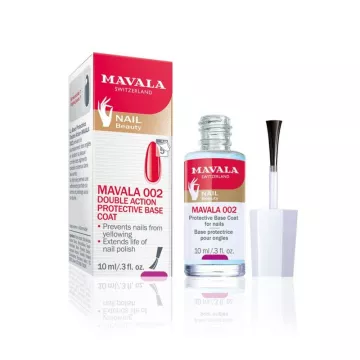
- Professional base coats and top coats.
- Properly executed filing and polishing techniques (do not thin the nail plate excessively).
- Mandatory intervals between semi-permanent polish applications or extensions; removal must be performed by a trained professional to avoid tearing off the surface layers.
In cases of chronic brittleness, a dermatological evaluation can help identify any underlying causes and guide treatment.
What supplements can strengthen nails?
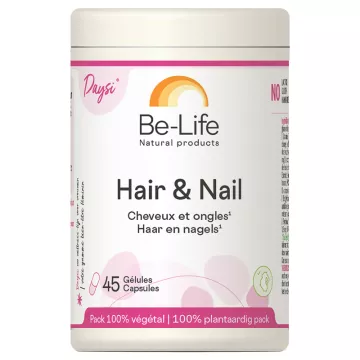
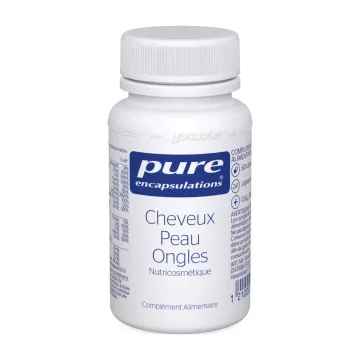
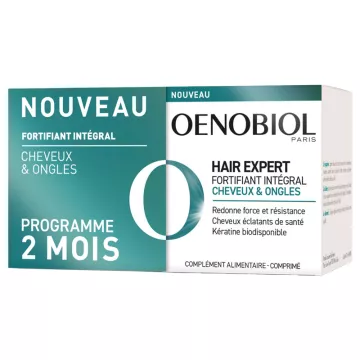
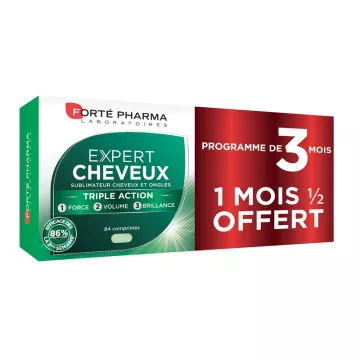
Several supplements are commonly recommended. Their benefits depend on the individual’s profile and circumstances:
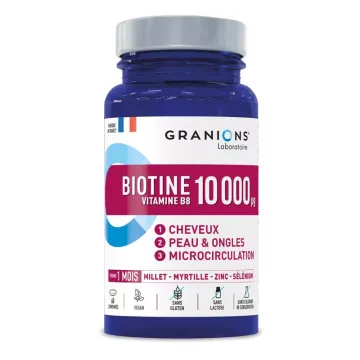
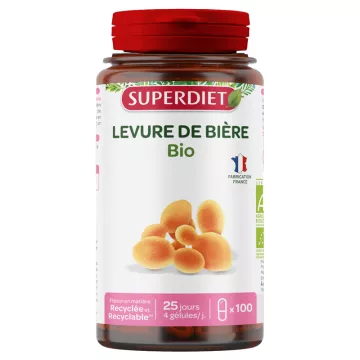
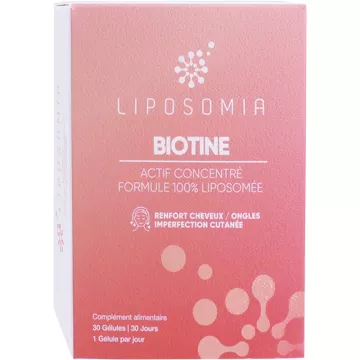
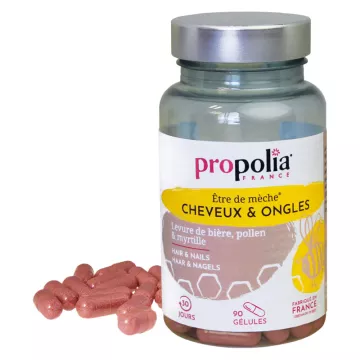
- Biotin (vitamin B8 or H): Its effect on nail quality is primarily demonstrated in cases of proven deficiency; benefits are modest in the absence of a deficiency. Note: Biotin may interfere with certain laboratory tests (particularly TSH and certain cardiac markers). Inform the laboratory or your doctor of any supplementation.
- Iron: Useful in cases of low ferritin confirmed by blood test. Unsupervised supplementation should be avoided (possible iron overload).
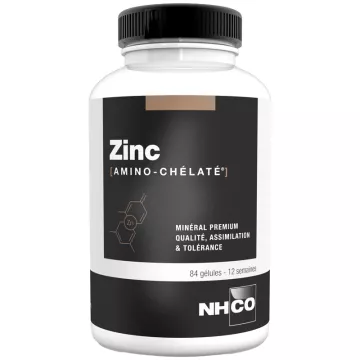
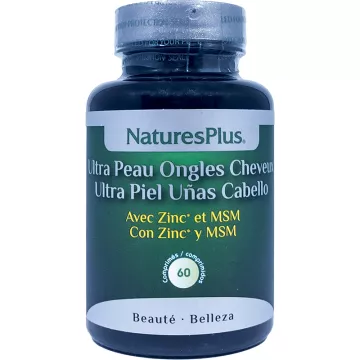
- Zinc: beneficial in cases of deficiency or associated weakness. Short courses of treatment at measured doses.
- Vitamin A: Do not take supplements without medical advice (toxicity at high doses; medical retinoids are contraindicated during pregnancy).
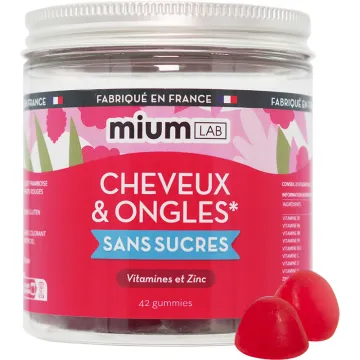
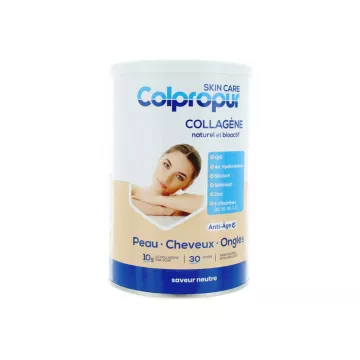
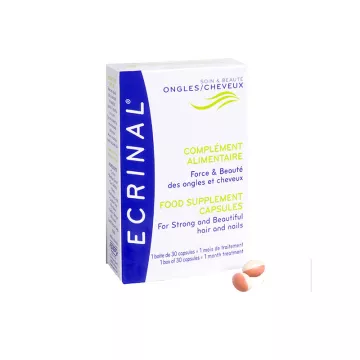
- Hydrolyzed collagen: taken orally; emerging but mixed clinical data regarding its effects on nails; may contribute to perceived joint and skin comfort.
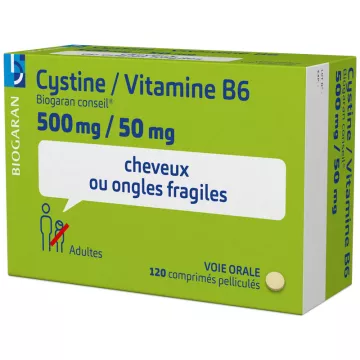
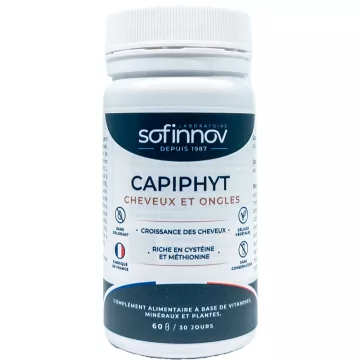
- Multivitamin/mineral supplements: varying effectiveness; discuss with a pharmacist or doctor based on individual needs.
No supplementation is justified “as a matter of principle”: medical or pharmaceutical advice helps identify actual needs and ensure there are no interactions or contraindications.
What habits should you change to prevent brittle nails?
Several habits can permanently weaken your nails:
- Applying semi-permanent or gel polish repeatedly without taking a break.
- Using acetone-based nail polish removers daily.
- Cutting or pulling back cuticles.
- Biting your nails (onychophagia) or picking at the cuticles.
- Using your nails as tools (to open, scrape, or tear).
- Filing back and forth (which causes fraying).
- Handling water and detergents with bare hands.
- Failing to moisturize after washing hands and using hand sanitizer.
What role does moisturizing play in nail health?
Moisturizing plays a crucial role. The nail plate and the skin around the nails have the same needs as the rest of the skin:
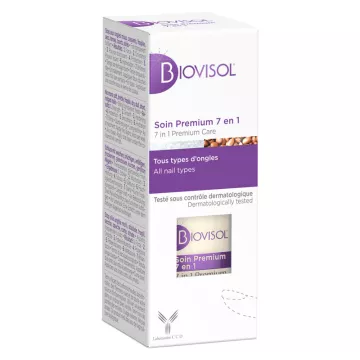
- Daily application of a cream or oil for nails and cuticles (jojoba, castor, argan, sweet almond), ideally in the evening with a light massage.
- Moisturize after every time you wash your hands or use hand sanitizer.
- Stay hydrated from the inside throughout the day.
- A routine for fragile hands to complement nail care.
What diet helps strengthen your nails?
A varied diet meets your needs in most cases:
- Protein: lean meats, fish, eggs, legumes, dairy products, tofu.
- Iron: red meat (in moderation), organ meats, legumes, green vegetables, whole grains (combine with vitamin C to promote the absorption of non-heme iron).
- Zinc: seafood, meats, legumes, nuts, and seeds.
- Biotin: eggs (cooked yolk), walnuts, almonds, legumes, liver. Dietary intake is generally sufficient for healthy adults.
- Vitamins A, C, D, E: fruits, vegetables, oilseeds, fatty fish, and moderate sun exposure for vitamin D.
- Omega-3: fatty fish, nuts, flaxseeds, canola oil.
- Regular hydration.
Supplementation can be discussed with a doctor or dietitian if needed on an individual basis; laboratory tests (ferritin, complete blood count, TSH, vitamin D) are helpful in cases of persistent weakness.
What impact do manicures have on nail health?
Manicures can enhance the appearance of nails but can also weaken them:
- Traditional nail polish: generally well-tolerated, especially in “3-free,” “5-free,” and “10-free” formulas that are free of formaldehyde, toluene, dibutyl phthalate, camphor, and formaldehyde resin.
- Semi-permanent polish (gel polish): lasts longer, but removal should be done by a professional to avoid tearing off the surface layers. Space out applications (take at least a 1- to 2-week break every 2 to 3 applications).
- Acrylics and extensions: can thin the nail and weaken the edges.
- UV or LED lamps: monitor cumulative exposure; applying sunscreen to the backs of your hands before a session may be a good precaution, especially for regular users.
- Acetone-free nail polish removers are gentler on keratin and the periungual layer.
Regardless of your routine, taking regular breaks without polish allows the nail to breathe and be examined (color, thickness, condition of the cuticle).
What home remedies can strengthen brittle nails?
Several natural remedies can complement your routine:
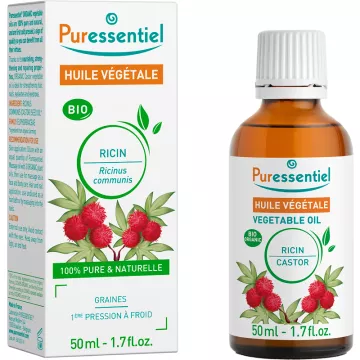
- Castor oil applied in the evening to the nails and cuticles with a gentle massage: has an emollient and nourishing effect.
- A warm olive oil or sweet almond oil soak (10 to 15 minutes): moisturizes the nails and the skin around the nails.
- Products containing jojoba, argan, or macadamia oil: well-tolerated alternatives.
- The lemon juice and olive oil mixture is traditionally recommended, but lemon is acidic and can irritate the surrounding skin; use it sparingly, rinsing with warm water after application, and avoid it before sun exposure (photosensitization caused by furocoumarins in citrus fruits).
None of these remedies should replace medical advice in cases of chronic brittleness or unusual changes in the nails.
When should you see a professional for brittle nails?
A medical consultation is recommended if:
- The brittleness persists despite following a proper care routine for several months.
- The nails change color (yellow, green, black, whitish), thicken, lift from the nail bed, or become brittle (suspected onychomycosis—a mycological sample confirms the diagnosis, and a prescription antifungal medication may be indicated).
- Prominent transverse ridges (Beau’s lines), pigmented bands, or other abnormalities appear.
- Associated symptoms suggestive of a systemic condition: persistent fatigue, unexplained weight gain or loss, marked hair loss, sensitivity to cold, and irregular menstrual cycles.
- Pain, redness, or swelling around the nail (suspected whitlow): seek medical attention promptly, especially if you have diabetes, a weakened immune system, or are on anticoagulant therapy.
A primary care physician, dermatologist, or podiatrist (for toenails) is the appropriate healthcare provider depending on the situation.