Dry, chapped hands result from several factors that often occur together. Weather conditions (dry cold, wind, temperature fluctuations) dry out the skin and thin the hydrolipidic film, which is particularly fragile on the backs of the hands. Harsh detergents and soaps contribute to skin irritation and dehydration. In addition to these external factors, personal predispositions may also play a role: naturally thin skin, atopic skin, or conditions such as eczema or psoriasis, which make the skin more reactive and sensitive to daily irritants.
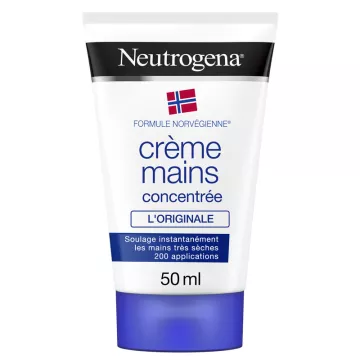
To keep delicate hands comfortable, it’s best to follow a gentle but consistent routine. Wash with a superfatted soap or a mild, pH-neutral or slightly acidic soap that cleanses without stripping the skin. Dry by gently patting the skin dry—do not rub. A moisturizing cream rich in shea butter or sweet almond oil, applied after each wash and at bedtime, helps strengthen the hydrolipidic film. Wearing gloves is recommended for household chores and when exposed to cold.
In cases of severe dryness or superficial cracks, a rich balm or an intensive nighttime treatment helps restore skin comfort. These formulas typically contain concentrated nourishing oils (beeswax, plant-based butters), humectants (glycerin, low-dose urea), and soothing active ingredients such as panthenol (provitamin B5), allantoin, or vitamin E. For more severe cases, damaged hands require a dedicated skincare routine. If you have deep or painful cracks, professional advice is essential.
Several everyday habits can worsen skin fragility:
When it comes to diet, a varied diet that includes sources of omega-3 fatty acids (fatty fish, nuts, canola oil) and antioxidants (fruits, colorful vegetables) helps maintain the quality of the skin’s protective barrier over the long term.
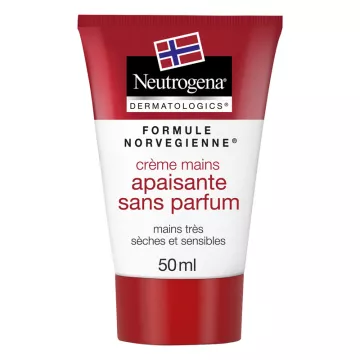
When choosing a hand care product for delicate hands, look for fragrance-free (or very lightly scented) formulas with a short, easy-to-read ingredient list, marketed as gentle and well-tolerated. Carefully reading the INCI list helps you avoid known allergens. Formulas containing soothing agents such asaloe vera, chamomile, or calendula are often preferred for sensitive skin. Also, opt for packaging that minimizes contamination (tubes or pump bottles rather than open jars).
For delicate hands, several natural ingredients stand out:
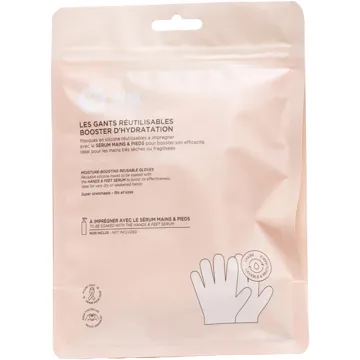
Wearing protective gloves is one of the most effective ways to protect delicate hands on a daily basis. For household chores and contact with detergents, nitrile or rubber gloves lined with cotton limit both direct contact and maceration. Indoors, thin cotton gloves can be worn at bedtime after applying a rich hand cream to enhance absorption. Outdoors in winter, thermal-lined gloves protect the skin from dry cold and wind, which are major aggressors on the hands.
A gentle hand massage promotes both relaxation and improved skin comfort. Using a small amount of nourishing cream or vegetable oil (sweet almond, argan), slowly massage each finger from the base to the tip, then the palm and the back of the hand using circular motions. This technique promotes a feeling of warmth and relaxation and helps the product penetrate the skin more effectively. Avoid this on broken or very painful skin; seek medical advice before performing any massage.
In work environments involving exposure to irritating products or frequent hand washing (healthcare, food service, hair salons, cleaning), several measures can help protect delicate hands: apply a barrier cream at the start of your shift, wear gloves appropriate for the task (nitrile, powder-free latex, or rubber, depending on the product being handled), use mild soaps and lukewarm water rather than hot water, and pat dry. A nourishing cream at the end of the day and before bed completes the routine. In the event of persistent skin damage related to your job, discuss the situation with the occupational physician or a dermatologist.
Several signs should prompt you to see a dermatologist without delay:
The healthcare professional may consider contact dermatitis (irritant or allergic), hand eczema, palmar psoriasis, or another condition, and recommend appropriate treatment. In the event of a severe allergic reaction (swelling of the face, difficulty breathing suggestive of angioedema), call 15 or 112.