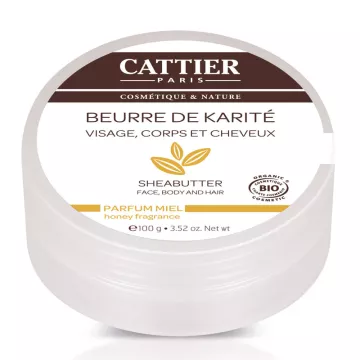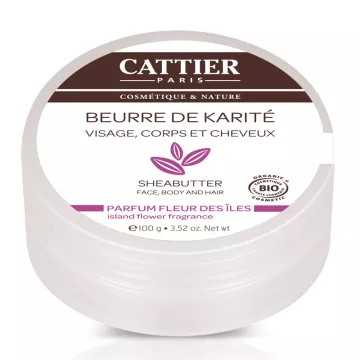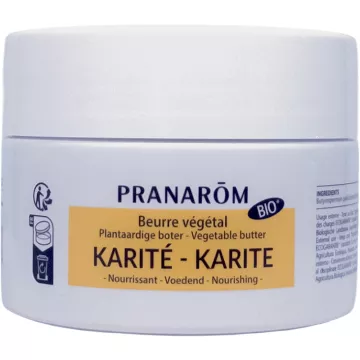
Shea butter is a vegetable fat extracted from the nuts of the shea tree (Vitellaria paradoxa), which grows primarily in West Africa. Used for centuries by local populations, it is rich in fatty acids (oleic, stearic), vitamins A, D, E, and F, and unsaponifiables (up to 11%), a rare component that accounts for its exceptional nourishing and protective properties. Richer and more emollient than mango butter, it is one of the most versatile plant-based fats for the care of dry skin and hair. Its texture melts upon contact with the skin and forms a long-lasting protective film.
For dry and mature skin, shea butter offers several intensely nourishing uses:
Its high content of fatty acids and unsaponifiables helps maintain the comfort of the skin barrier in skin that feels tight.
For nourishing facial care, take a small amount of pure shea butter, warm it between your fingers to soften it, then apply it to the face using circular massage motions, focusing on dry areas. Using it in the evening as a night treatment allows the skin to regenerate while you sleep, leaving it plump and refreshed upon waking. On sensitive skin, it soothes tightness and discomfort. For oily or blemish-prone skin, apply it sparingly only to dry areas to avoid weighing down the skin’s texture. Its low comedogenic rating makes it unlikely to clog pores, but its rich consistency means it should be used sparingly on combination skin.
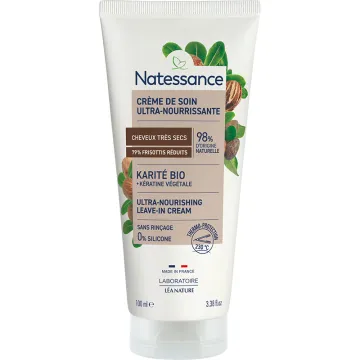
Shea butter is a great ally for dry, curly, frizzy, and damaged hair. As a hair mask, apply it to the lengths and ends before shampooing, leave it on for 30 minutes to overnight under a shower cap, then wash it out. On dry ends, a small amount used as a leave-in treatment tames frizz and adds shine without leaving hair excessively greasy. When applied to the scalp, it soothes dry scalps prone to itching and dry dandruff. For thick to coily hair, it adds definition and suppleness to curls. Use sparingly on fine hair to avoid weighing it down.
Shea butter is suitable for the whole family and has many uses. For chapped lips, it provides intense protection and nourishment, whether used pure or in a balm. For men, it can be used as a soothing aftershave to calm irritation and razor burn. For babies, it helps keep delicate skin comfortable and prevents diaper rash; be sure to use a certified pure shea butter. For pregnant women, daily massage application to areas prone to stretch marks helps maintain skin elasticity. A patch test on a small area is recommended before any extensive use, especially on infants.
Several criteria distinguish high-quality shea butter. The label “unrefined” and “raw” guarantees the preservation of unsaponifiables and active vitamins (refined butter, which is whiter and odorless, is stripped of these nutrients). A pale yellow to ivory color is characteristic of authentic raw shea butter (butter that is too white is often refined and denatured).A light, naturalscent —slightly nutty or smoky—indicates a pure product. The melt-in-the-mouth, creamy texture should spread easily. The Bio AB or Ecocert labels and fair trade labels (supporting African cooperatives) guarantee quality and traceability.The country of origin (Burkina Faso, Ghana, Mali, Ivory Coast) must be specified. Mango butter is a lighter alternative for less rich textures.
In some West African cultures, 100% pure, unrefined, food-grade shea butter is used in cooking as a substitute for butter or oil. Rich in fatty acids and with good heat stability, it is suitable for cooking. This culinary use absolutely requires food-grade certified shea butter, which is distinct from cosmetic-grade shea butter. To store it, keep the shea butter in a cool, dry place away from light, in an airtight container. It has a shelf life of 18 to 24 months. Avoid high temperatures, which can alter its texture (melted and then resolidified butter may become grainy without losing its properties). Use a clean spatula to scoop out the product and prevent contamination.
Shea butter is generally very well tolerated by all skin types, including sensitive skin and babies’ skin. Allergic reactions are rare but possible; a patch test on the inner elbow for 48 hours is recommended before first use. Although shea belongs to the Sapotaceae botanical family (which is different from common tree nuts), people with multiple allergies should remain vigilant. On acne-prone or very oily skin, use it sparingly despite its low comedogenic rating. For infant care, choose a certified pure shea butter and consult a healthcare professional. If a skin reaction occurs (redness, itching), discontinue use. Store away from heat and light.