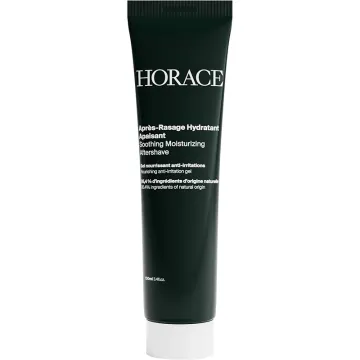
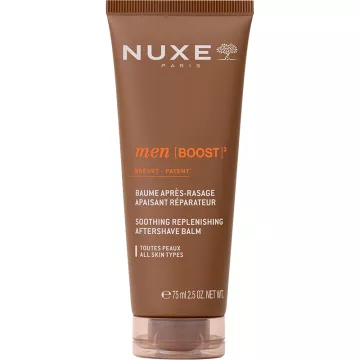
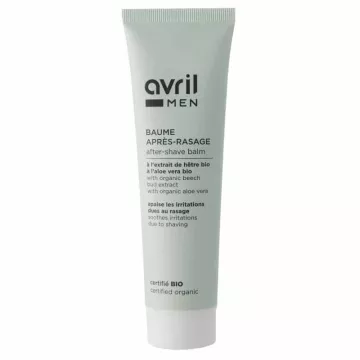
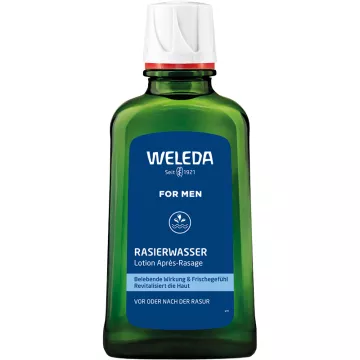
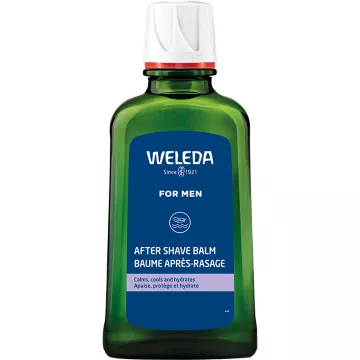
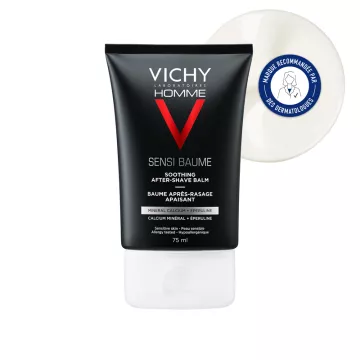
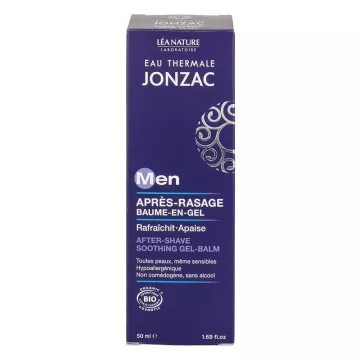
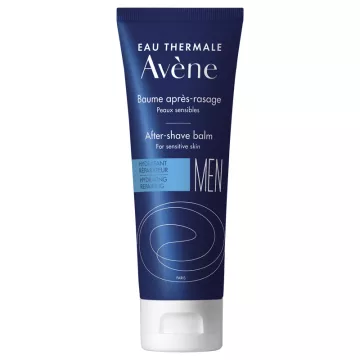
After-shave balm is a thick, typically alcohol-free emulsion designed to restore the skin’s barrier. Its key active ingredients by category:
A leading natural astringent,witch hazel water (Hamamelis virginiana, distillate) is the traditional ingredient in aftershave toners. Its hamamelitannins tighten pores dilated by the moisture from shaving—reducing the entry of bacteria into open follicles. Its gallic acid and flavonoids inhibit the release of PGE2 (a pro-inflammatory prostaglandin), reducing immediate redness. Advantage over pure alcohol: the same astringent action without the drying and chronic irritating effects of high-concentration ethanol.
A staple hydrosol in luxury men’s cosmetics,rose water (Rosa damascena, distilled floral water)—rich in geraniol, citronellol, and phenylethanol—reduces follicular erythema through mild COX inhibition. Its ellagic acid tones the superficial skin vessels through a mild vasoconstrictive effect. Its slightly acidic pH (4.5 to 5) maintains the balance of the protective post-shave skin microbiome.
Two floral essential oils with complementary regenerative mechanisms:
When incorporated at 0.1–1% in aftershave balms, the EGCG in green tea neutralizes free radicals generated by the mechanical stress of shaving and urban pollution. It inhibits UVA-induced MMPs (matrix metalloproteinases), protecting the exposed collagen network. Its mild antiandrogenic properties (inhibition of cutaneous 5α-reductase) reduce post-shave seborrhea—a complementary mechanism in men’s anti-acne formulas.
As an essential micronutrient for epithelial differentiation, vitamin A prevents epithelial metaplasia (follicular keratosis), which exacerbates ingrown hairs and chronic razor burn. Its topical derivative, retinol (0.025–0.1%), is the only cosmetic active ingredient whose anti-wrinkle effect has been proven by Level A controlled studies — to be used only in the evening (photosensitizing) and introduced gradually on sensitive, shaved skin. Oral intake: 700 to 900 µg ER/day through the diet.