Green tea (Camellia sinensis) is produced by withering and quickly drying fresh leaves without fermentation—this process fully preserves the catechins (antioxidant polyphenols), unlike black tea (fermented) and oolong tea (semi-fermented). Epigallocatechin gallate (EGCG) is the most abundant and best-studied catechin—it accounts for 50 to 80% of the total polyphenols. Green tea also contains caffeine (30–50 mg per cup, half as much as coffee) and L-theanine (a unique amino acid that modulates the effects of caffeine and produces a state of focused, calm alertness without restlessness). This caffeine-L-theanine combination has been shown to improve alertness and working memory in a gentler and more sustained way than caffeine alone. Green tea is used for weight loss and detoxification due to its thermogenic, antioxidant, and diuretic properties.
Green tea is one of the best-documented weight-loss supplements. Its catechins and caffeine work synergistically through two mechanisms:
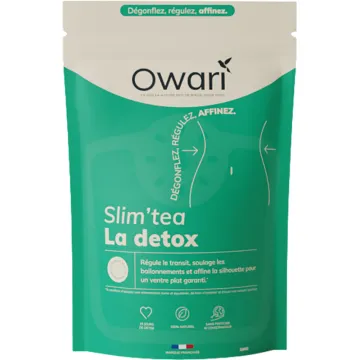
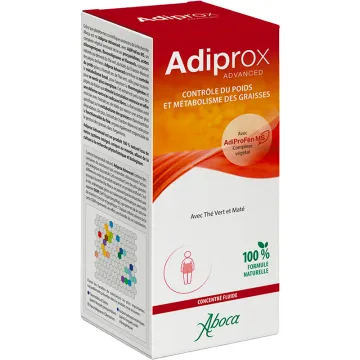
Meta-analyses show a modest but significant reduction in body weight and waist circumference. Aboca Adiprox Advanced (green tea + cinnamon + chromium) is a comprehensive metabolic formula that combines the thermogenic action of green tea with the insulin-sensitizing action of chromium. Slim'Tea La Détox (Owari) combines green tea, mate, and diuretic herbs for a detox effect combined with thermogenesis.
The catechins in green tea exert a powerful antioxidant effect (neutralizing reactive oxygen species [ROS] and reactive nitrogen species [RNS]) that protects cells from chronic oxidative stress. EGCG inhibits the oxidation of LDL cholesterol (the first step in the formation of atherosclerotic plaques) and improves endothelial vasodilation (NO production). Japanese epidemiological studies show an inverse correlation between regular consumption (3–5 cups per day) and the incidence of cardiovascular events. These vasoprotective properties improve venous circulation and reduce water retention—two important factors in managing cellulite.
Matcha (powdered green tea, produced by shading tea plants for 3–4 weeks before harvest) is a distinct, concentrated form of traditional green tea. Shading increases the levels of L-theanine and chlorophyll—so matcha is richer in L-theanine and produces a more pronounced sense of calm and focused alertness. Consuming it in powder form (dissolved in water, not brewed) means ingesting the entire leaf—the EGCG concentration is 3 to 10 times higher than in brewed green tea. Yogi Tea’s Matcha Green Tea with Lemon harnesses this profile. For weight management, matcha is preferable to traditional green tea (due to its higher concentration of thermogenic EGCG).
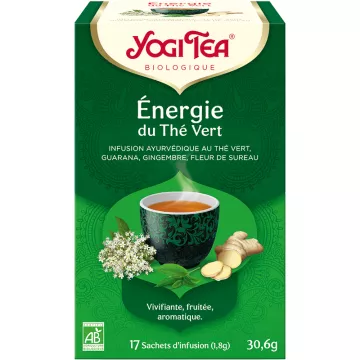
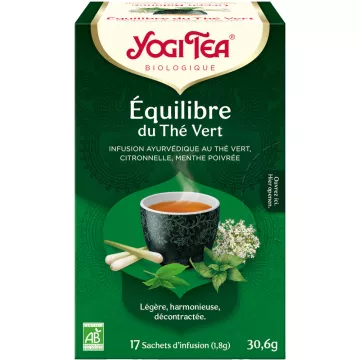
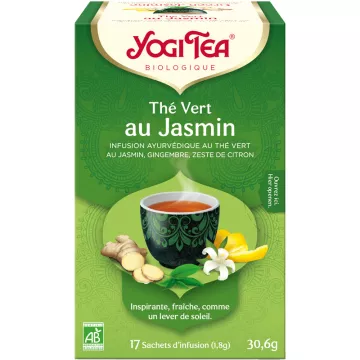
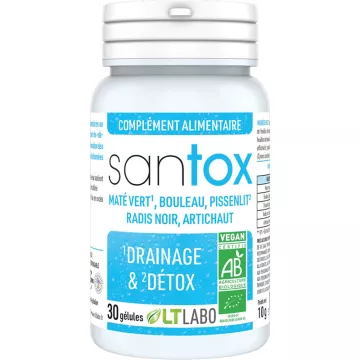
Green tea is one of the key active ingredients in detox and liver and kidney drainage regimens. The LT Labo Santox Drainage and Detox (green tea extract + artichoke + dandelion + milk thistle) is a comprehensive formula to support seasonal detox regimens. Yogi Tea blends (Green Tea Balance, Green Tea Energy, Jasmine Green Tea) are easy to incorporate into your daily routine. A green tea regimen is part of a comprehensive approach: 3 to 5 cups per day (not after 3:00 p.m. to avoid disrupting sleep), adequate hydration, physical activity, and reducing intake of simple sugars. To promote skin firmness, topical green tea extracts (antioxidant creams and serums) neutralize free radicals that break down dermal collagen—an “inside-out” approach that complements internal detox formulas.