What is a balanced physique, and how do you achieve it?
Your figure reflects your body composition—the ratio of body fat, muscle mass, water, and bone. A balanced figure doesn’t mean being skinny, but rather a harmonious balance among these components, which varies depending on your genetic body type (hourglass, triangle, rectangle, apple, pear). Achieving it in a sustainable way requires a combination of three key factors: a diet tailored to your metabolism and goals, regular physical activity that alternates between strength training and cardio, and body care routines that target specific areas. None of these factors is sufficient on its own: it is their synergy that produces visible and lasting results in both weight gain and fat loss.
How does diet directly influence body shape?
Nutritional quality takes precedence over simple calorie restriction:
- Glycemic index and blood sugar levels: A low-glycemic-index diet (legumes, vegetables, whole grains) maintains stable insulin levels, limiting fat storage and compensatory cravings.
- Adequate protein intake (1.4–1.8 g/kg/day): prolonged satiety, preservation of muscle mass during a calorie deficit, and a high thermic effect (25–30% of calories consumed are burned during digestion). A high-protein diet is the most well-documented approach for improving body composition.
- Unsaturated fats (omega-3, olive oil): reduce inflammation in adipose tissue and improve insulin sensitivity.
- High fiber intake: slows gastric emptying, nourishes the gut microbiota, and reduces carbohydrate absorption.
Meal timing also influences body composition: eating a concentrated meal early in the day (chrononutrition) optimizes the use of energy substrates and reduces nighttime fat storage. Avoid eating after 8 p.m. when physical activity is reduced.
Which micronutrients are essential for a healthy body composition?
Certain micronutrients directly influence body composition:
- Chromium: improves insulin sensitivity and reduces sugar cravings—a deficiency promoteshyperglycemia and fat storage.
- Coenzyme Q10: a cofactor in the mitochondrial respiratory chain, it improves cellular energy production and supports athletic performance.
- Vitamin D3: A deficiency is associated with insulin resistance and an unfavorable body composition.
- Magnesium: a cofactor in over 300 enzymatic reactions, including those involved in carbohydrate and lipid metabolism.
How does physical activity optimize body composition?
Physical activity affects body composition through two main mechanisms:
- Strength Training: builds and tones muscles, increases basal metabolic rate (muscles burn three times more calories at rest than adipose tissue).
- Cardio and HIIT: increase total calorie expenditure and improve insulin sensitivity, facilitating the mobilization of stored fat.
- Yoga and Pilates: improve posture, strengthen deep stabilizing muscles, and visually refine your figure even without a change in body composition.
Consistency is more important than intensity: 30 minutes of daily activity produces better long-term results than sporadic intense workouts.
What body care treatments complement a comprehensive body-shaping regimen?
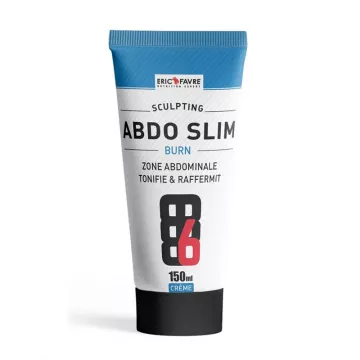
Targeted treatments add the finishing touches:
- Draining and anti-cellulite treatments (caffeine, centella, retinol): improve skin tone and reduce the dimpled appearance in targeted areas.
- Regular massages: stimulate microcirculation, reduce water retention, and enhance the action of topical active ingredients. A daily 5-minute kneading-and-rolling massage is sufficient to maintain results between professional sessions.
- Non-invasive techniques (radiofrequency, cryolipolysis): for localized fat deposits resistant to diet and exercise, in individuals whose weight has been stable for 3–6 months.
- Daily sun protection: preserves the quality of dermal collagen and long-term skin firmness—a healthy silhouette is achieved through both internal and external care.
A comprehensive approach to body contouring integrates these three areas—diet, physical activity, and body care—over a minimum of 3 to 6 months to produce visible and lasting changes in body composition.