0
Menu

High-protein diet: What is the right amount for gaining muscle mass?

Filter
Number of products : 43
Sort
Sort
Close
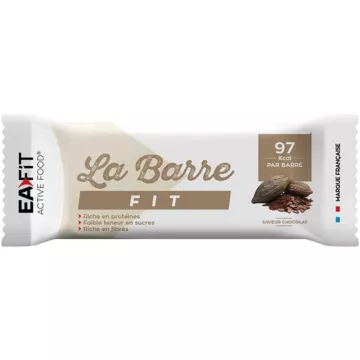
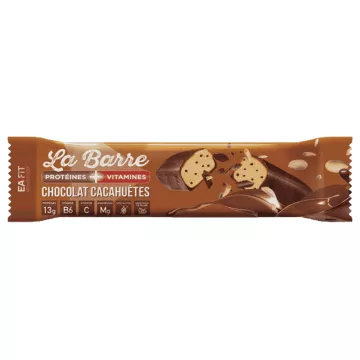
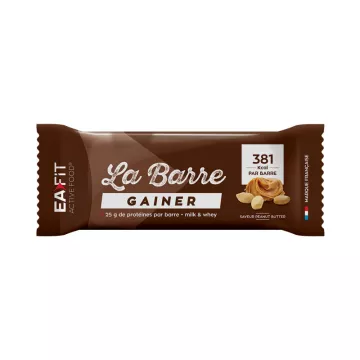
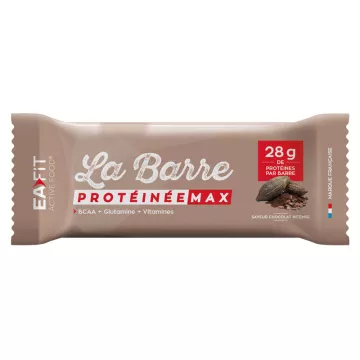
Eafit Protein Bar: Nutrition for Athletes Eafit Protein Bar: Nutrition for Athletes
Vanille Chocolate +
€1.85
Add to cart
Usually ships in 5 to 7 working days
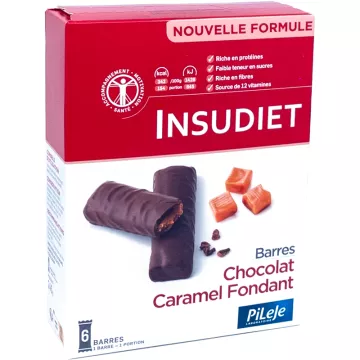
Insudiet Coconut Bar 12 Bars Insudiet Coconut Bar 12 Bars
€17.62
Shipped within 24h
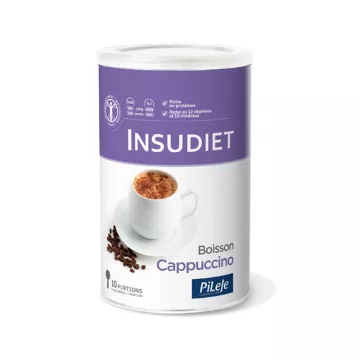
Insudiet PiLeJe Hot Drink Cappucino 300 g Insudiet PiLeJe Hot Drink Cappucino 300 g
€21.95
Shipped within 24h
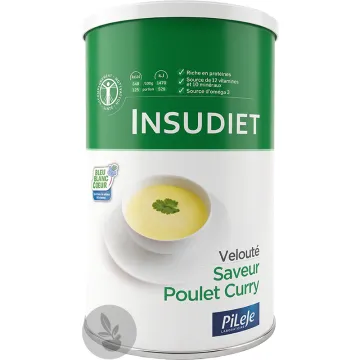
Insudiet Creamy Chicken Curry Soup 360 g Insudiet Creamy Chicken Curry Soup 360 g
€21.94
Shipped within 24h
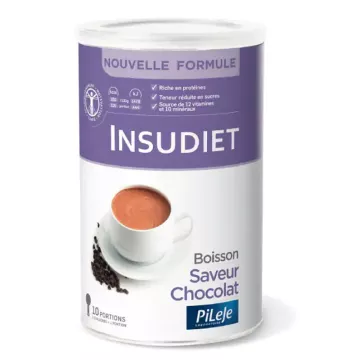
Insudiet Chocolate-Flavored Drink, 300 g Insudiet Chocolate-Flavored Drink, 300 g
€21.95
Shipped within 24h
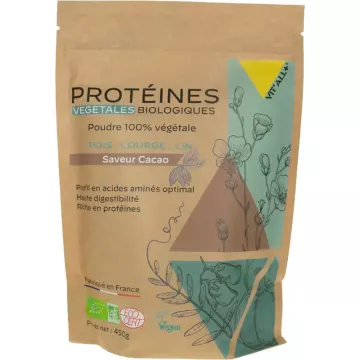
Vitall+ Organic Plant-Based Protein, Cocoa Flavor, 450 g Vitall+ Organic Plant-Based Protein, Cocoa Flavor, 450 g
€36.15
Shipped within 24h
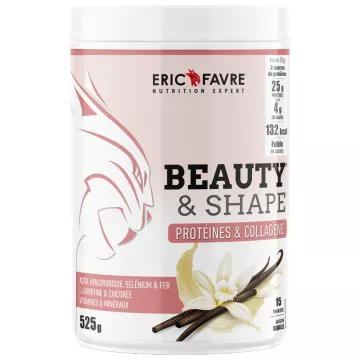
Eric Favre Beauty Shape 525 g Eric Favre Beauty Shape 525 g
Chocolate Vanilla
€31.25
Add to cart
Shipped within 24h
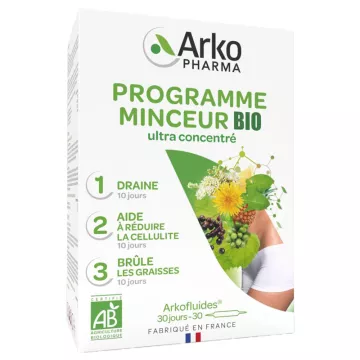
Arkofluides Organic Slimming Program 30 phials Arkofluides Organic Slimming Program 30 phials
€20.79
Shipped within 24h
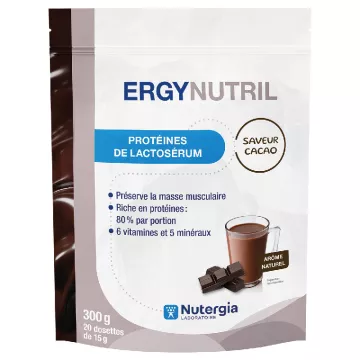
Ergynutril Whey Protein 300 g Ergynutril Whey Protein 300 g
cocoa Vanille
€21.99
Add to cart
Shipped within 24h
Biocyte Apple Cider Vinegar & Chromium Slimming Gummies, 60 gummies Biocyte Apple Cider Vinegar & Chromium Slimming Gummies, 60 gummies
€19.90
Shipped in 5 to 7 working days
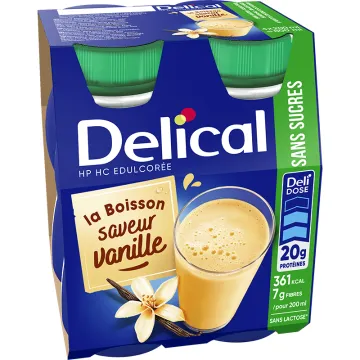
Delical Lactose-Free HP HC Dessert Cream 4x200g Delical Lactose-Free HP HC Dessert Cream 4x200g
Vanilla Coffee +
€9.13
Add to cart
Replenishment in progress
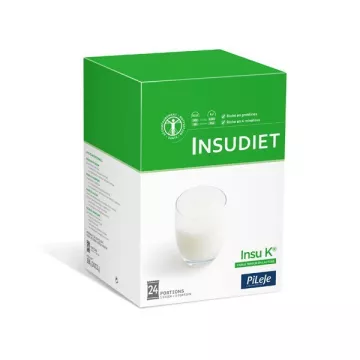
Insudiet PiLeJe Insu K 24 Sticks Of 12 g Insudiet PiLeJe Insu K 24 Sticks Of 12 g
€17.72
Shipped in 7 to 10 working days
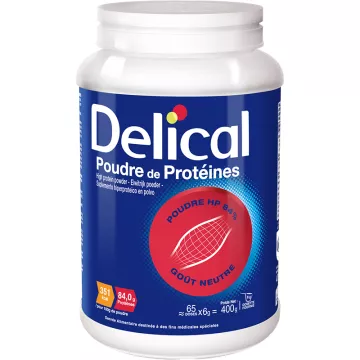
Delical Neutral Protein Powder 400 g Delical Neutral Protein Powder 400 g
€14.95
Replenishment in progress
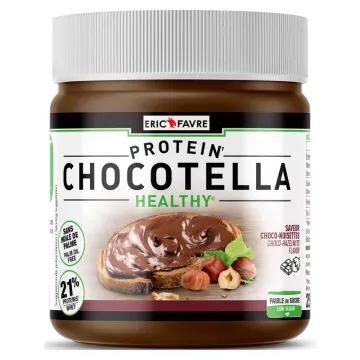
Eric Favre Chocotella Healthy, 250 g container Eric Favre Chocotella Healthy, 250 g container
€9.25
Shipped in 5 to 7 working days
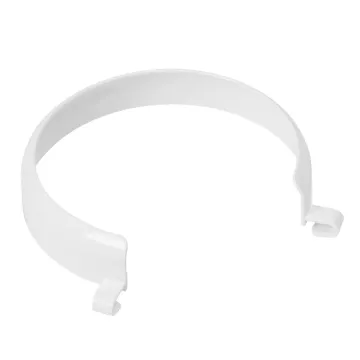
Identities Performance Health Curved Plate Rim Identities Performance Health Curved Plate Rim
€5.40
Shipped in 5 to 7 working days
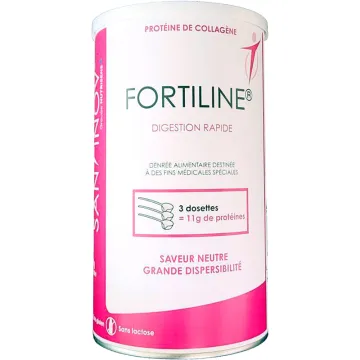
Fortiline Fast-Digesting Protein Powder 400g Fortiline Fast-Digesting Protein Powder 400g
€14.95
Replenishment in progress
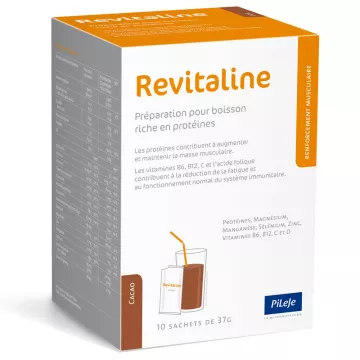
Pileje Revitaline Cocoa, 10 Sachets Pileje Revitaline Cocoa, 10 Sachets
€23.45
Sent in 5 in 7 working days

What is a high-protein diet, and who is it for?

A high-protein diet is a dietary plan in which protein accounts for 25 to 40 percent of total calorie intake, compared to 10 to 15 percent in a standard diet. It aims to promote muscle gain, support weight loss while preserving lean body mass, or accelerate recovery after exercise. It is primarily intended for athletes seeking to build muscle mass, people in a caloric deficit who wish to maintain their muscle mass, and patients undergoing nutritional rehabilitation. The thermic effect of protein (20–30% of calories consumed are expended to metabolize it) also contributes to total energy expenditure.
Which protein sources should be prioritized in this diet?

The quality of protein matters just as much as the quantity. The best sources, which provide all the essential amino acids, include:

  • Lean meats (chicken, turkey, lean beef) and fatty or white fish.
  • Whole eggs and egg whites.
  • Fermented dairy products: cottage cheese, skyr, Greek yogurt, and quark.
  • Whey and casein: supplements derived from whey; whey is absorbed quickly, while casein is absorbed gradually.
  • For vegetarians and vegans: legumes, tofu, tempeh, and quinoa, combined to cover the full amino acid profile.

Plant-based protein powders (pea, rice, hemp) offer a complete alternative for those who avoid dairy products.

How much protein should you consume each day?

Recommendations vary depending on your profile:

  • Sedentary individuals trying to lose weight: 1.2 to 1.6 g/kg/day to preserve lean body mass.
  • Recreational athlete: 1.6 to 1.8 g/kg/day.
  • Athletes or strength trainers: 1.8 to 2.2 g/kg/day.
  • Above 2.5 g/kg/day, additional benefits have not been demonstrated, and the risk of kidney problems increases.

Spreading intake over 4 to 5 meals per day (20 to 40 g per meal) maximizes muscle protein synthesis, as muscle cannot store unlimited amounts of protein per meal. The post-workout anabolic window (0 to 2 hours after training) is particularly favorable for protein intake combined with fast-acting carbohydrates, which stimulate insulin release and promote the transport of amino acids to the muscles.

Which protein supplements can be used with this diet?

Several supplements have documented benefits:

  • Whey protein: rapid absorption, ideal for post-workout use.
  • BCAAs (leucine, isoleucine, valine): limit muscle breakdown during prolonged exercise or when in a calorie deficit.
  • Creatine: improves performance during explosive efforts and accelerates athletic recovery.

These supplements are not a substitute for a balanced, nutritious diet and should be chosen based on your fitness level and goals.

How should you plan your meals on a high-protein diet?

A typical meal plan includes protein at every meal, combined with vegetables, complex carbohydrates, and healthy fats:

  • Breakfast: vegetable omelet, skyr or cottage cheese, with rolled oats.
  • Lunch: grilled chicken or fish, legumes, green salad, and olive oil.
  • Snack: Greek yogurt, almonds, or a post-workout serving of whey.
  • Dinner: salmon, quinoa, and steamed vegetables.

Hydration is a key factor that’s often overlooked: protein produces nitrogenous waste (urea) that the kidneys must eliminate. Aim for 35 to 40 mL of water per kilogram of body weight per day during periods of intense training.

What risks should you be aware of before following this diet?

Very high protein intake over the long term can put a strain on the kidneys, particularly in people with pre-existing kidney disease. It can also reduce intake of fiber, vitamins, and minerals if the diet is not balanced. Research also suggests a link between excessive consumption of animal protein and an increased risk of cardiovascular disease, due to the saturated fats that often accompany it. To minimize these risks:

  • Maintain adequate fluid intake (at least 1.5 to 2 L of water per day).
  • Maintain a high intake of fiber, vegetables, and whole grains.
  • Include omega-3s to counteract inflammation caused by intense exercise.
  • Diversify protein sources by incorporating plant-based options.
  • Get an annual kidney function test if your diet remains at high levels over the long term.

Consulting a dietitian or sports medicine physician remains the best way to ensure a personalized and safe plan.