What is muscle gain, and how does it work?
Muscle mass gain is a biological process that requires a positive energy balance (calorie surplus) combined with an appropriate resistance training stimulus. Without a calorie surplus, the body does not have sufficient substrates to synthesize new contractile proteins—amino acids are then diverted toward energy production rather than muscle building. A positive nitrogen balance (protein intake > protein breakdown) is the key biochemical marker of muscle mass gain.Insulin plays a central anabolic role: released in response to carbohydrates and protein, it inhibits muscle catabolism and stimulates the transport of amino acids into muscle cells.
How do you calculate your caloric needs for muscle gain?
Calculating the caloric surplus needed for muscle mass gain involves several steps:
- Basal metabolic rate (Mifflin-St Jeor formula): for a 75 kg, 175 cm, 25-year-old man ≈ 1,800 kcal/day at rest.
- Total energy expenditure: multiply by an activity coefficient (1.55 for 3 to 5 workouts per week) → ≈ 2,800 kcal/day.
- Calorie surplus for muscle gain: add 300 to 500 kcal/day. A surplus that is too low does not allow for optimal growth; one that is too high promotes excessive fat gain.
Post-meal blood sugar levels determine the release of anabolic insulin: complex carbohydrates (rice, whole-grain pasta, oatmeal) promote a sustained release of insulin, which is more conducive to muscle building than simple carbohydrates.
What are the protein requirements for gaining muscle mass?
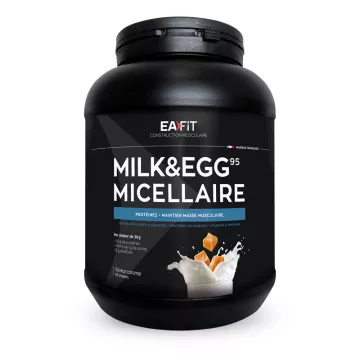
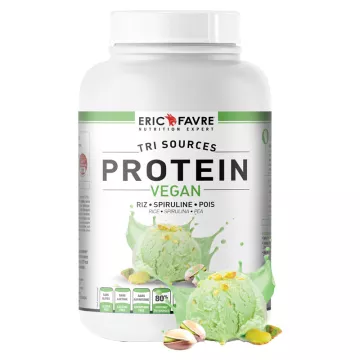
Protein is the structural building block for muscle growth. Current recommendations range from 1.6 to 2.2 g per kilogram of body weight per day, divided into 4 to 6 meals of 0.4 to 0.55 g/kg each. Leucine—the amino acid that triggers the mTORC1 pathway—should total 2.5 to 3 g per serving to activate protein synthesis. Fast-digesting proteins (whey, egg whites) are a priority post-workout; slow-digesting casein is ideal before bedtime to maintain nocturnal anabolism during the peak of growth hormone secretion.
What role do omega-3s and testosterone play in muscle mass?
The omega-3 fatty acids EPA and DHA contribute to muscle mass gain through several mechanisms:
- Increasing muscle receptor sensitivity to insulin: they improve the transport of amino acids and glucose into muscle cells.
- Anti-inflammatory action: they limit post-workout muscle breakdown and accelerate the healing of micro-injuries in muscle tissue.
- Direct stimulation of the mTORC1 pathway: studies show an increase in muscle protein synthesis with omega-3 supplementation.
Testosterone is the most powerful endogenous anabolic hormone. Maintaining it at optimal levels is key to the response to resistance training. Nutritional factors influence its production: adequate intake of unsaturated fats, zinc, and vitamin D, as well as quality sleep.
How can you optimize meal timing for muscle gain?
Nutritional timing maximizes the effectiveness of each meal:
- Pre-workout (1 to 2 hours before): complex carbohydrates + moderate protein to load glycogen and limit catabolism during the session.
- Post-workout (30 to 60 minutes after): 20 to 40 g of complete protein + fast-acting carbohydrates to trigger anabolic insulin. This is the anabolic window, when muscle sensitivity to amino acids is at its peak.
- Before bed: 30 to 40 g of casein to maintain nighttime protein synthesis during the peak of growth hormone secretion.
- Daily distribution: Spread your protein intake over 4 to 6 meals rather than 1 to 2 large meals to maximize the protein synthesis signal over a 24-hour period.
Which supplements accelerate muscle gain?
The most well-documented supplements for muscle gain:
- Creatine monohydrate (3 to 5 g/day): increases phosphocreatine stores, improves power during heavy sets, and maximizes muscle gains during training cycles.
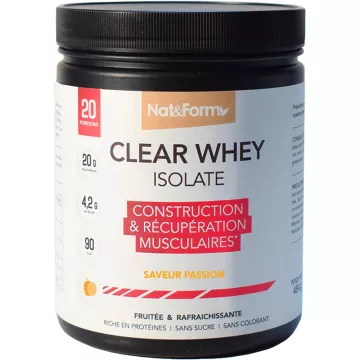
- BCAAs and whey protein: activate the mTORC1 pathway via leucine and provide essential amino acids during the post-workout window.
- Vitamin D3: Regulates androgen receptor expression and muscle protein synthesis. A deficiency, common in winter, is associated with reduced muscle mass gains despite optimal training.
- Zinc and magnesium: cofactors for testosterone and protein synthesis. Deficiencies are common among intense athletes due to sweat loss.