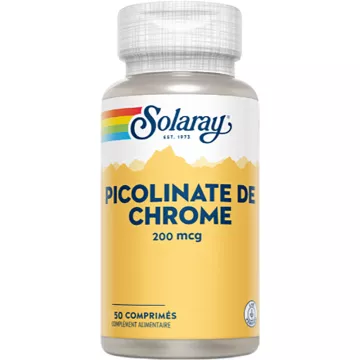
Insulin is the hormone produced by the beta cells of the pancreas that enables cells to use glucose in the bloodstream as a source of energy. Arnaud, a doctor of pharmacy, reminds us that insulin is a medication intended strictly for medical use—any adjustment to the dosage must be made under medical supervision. This page aims to explain its role and the complementary nutritional strategies that support insulin sensitivity, which are available at health food stores. See our line of blood sugar dietary supplements.
What is insulin and what is its role?
Insulin is a peptide hormone (51 amino acids, two A and B chains linked by disulfide bonds) secreted by the beta cells of the pancreatic islets of Langerhans. It plays a central role in regulating postprandial blood glucose levels —after a meal, the rise in blood glucose triggers its secretion, allowing muscle, fat, and liver cells to take up glucose. It also has an anabolic effect: it stimulates protein synthesis in muscles and lipogenesis in fat cells. Without insulin—or in cases of insulin resistance—blood glucose levels remain high and cells lack energy.
Insulin and Diabetes: What Are the Mechanisms?
The role of insulin is disrupted differently depending on the type of diabetes.
- Type 1 diabetes: autoimmune destruction of beta cells—insulin production is virtually zero, and insulin injections are required for life
- Type 2 diabetes: insulin resistance in target cells combined with progressively insufficient secretion—initially manageable through lifestyle changes and oral medications, sometimes requiring insulin over time
- In both cases, the goal is to prevent chronic hyperglycemic spikes (vascular, renal, and neurological complications) and acute hypoglycemia
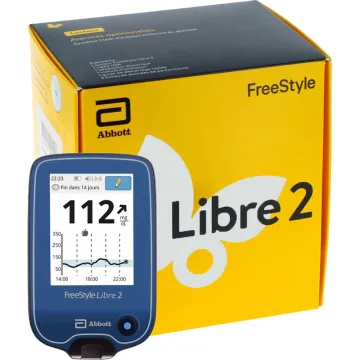
- Monitoring blood glucose levels is essential—blood glucose meters are available at drugstores; see our selection of blood glucose meters
Types of therapeutic insulin?
Therapeutic insulins are classified according to their action profile —all are available only by prescription.
- Rapid-acting and ultra-rapid-acting insulins (lispro, aspart, and glulisine analogs): take effect in 15 minutes, peak at 1 hour—injected before or at mealtime
- Regular insulin (human): takes effect in 30 minutes, lasts 6–8 hours — less commonly used since the introduction of analogs
- Intermediate-acting insulins (NPH): duration 12–18 hours — provides nighttime coverage
- Long-acting insulins (glargine, detemir, degludec): basal action for 24 hours—one injection per day
- Any change to an insulin regimen must be prescribed and medically monitored
Signs of hypoglycemia: what to do?
Hypoglycemia is the most common acute complication of insulin therapy—it must be recognized and treated promptly.
- Early signs: tremors, cold sweats, palpitations, intense hunger, anxiety
- Severe signs: confusion, blurred vision, unusual behavior, seizures, loss of consciousness
- Mild/moderate response: 15 g of fast-acting carbohydrates (3 sugar cubes, 150 mL of fruit juice, 1 tube of glucose gel)
- Replenish carbohydrates and recheck blood sugar levels after 15 minutes—repeat if necessary
- Severe hypoglycemia with loss of consciousness: injectable glucagon or nasal spray (by prescription) — call 15
Micronutrients and insulin sensitivity?
Certain micronutrients play a role in regulating the insulin response—they are by no means a substitute for prescribed treatments but can complement a healthy lifestyle. Discuss this with your doctor or pharmacist.
- Magnesium: a cofactor for more than 300 enzymes, including those involved in pancreatic insulin secretion — a common deficiency in type 2 diabetes
- Alpha-lipoic acid: studied for its role in insulin sensitivity—should be used under medical supervision due to the risk of additive hypoglycemia
- Vitamin D3: Studies link vitamin D deficiency to insulin resistance—correction of a documented deficiency is the primary goal
- Zinc: plays a role in the synthesis, storage, and secretion of insulin by beta cells
- See “Blood Sugar Control” for dietary supplements available at drugstores—always consult a doctor if you are currently undergoing diabetes treatment
Lifestyle and insulin sensitivity?
Lifestyle remains the primary factor influencing insulin sensitivity, complementing any medical treatment.
- Regular physical activity (at least 30 minutes per day): increases the expression of GLUT4 glucose transporters in muscles—documented reduction in insulin resistance
- Low-glycemic-index diet: fiber, legumes, whole grains—slows the rise in postprandial blood glucose levels
- Weight loss: Losing 5 to 10% of body weight significantly improves insulin sensitivity in type 2 diabetes
- Omega-3 EPA+DHA: contribute to the quality of cell membranes and the fluidity required for insulin receptors
- If you have any questions or concerns about your insulin treatment, consult your doctor or pharmacist—regular blood glucose monitoring remains essential