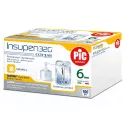
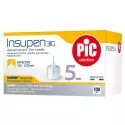
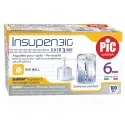
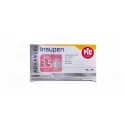
What is Insupen Insulin Injection Needle used for?
Sterile, single-use, ultra-fine needles for insulin pens.
Needles for insulin pens
Painless, safe, and convenient,Insupenneedlesforinsulin pens are the most advanced tool for subcutaneous therapy, as they ensure optimal treatment, extremely simple use, and minimal impact on the patient’s daily life.
The anti-fragmentation treatment of the cartridge tip ensures perfect puncture of the cap. Insulin thus flows without impurities.
Compatible with insulin injection pens from Sanofi-Aventis, Novo Nordisk, Eli Lilly, Amylin (Byetta), Owen Mumford, Ypsomed, and other pens that meet the Uni EN ISO 11608-2:2000 “Type A” standard.
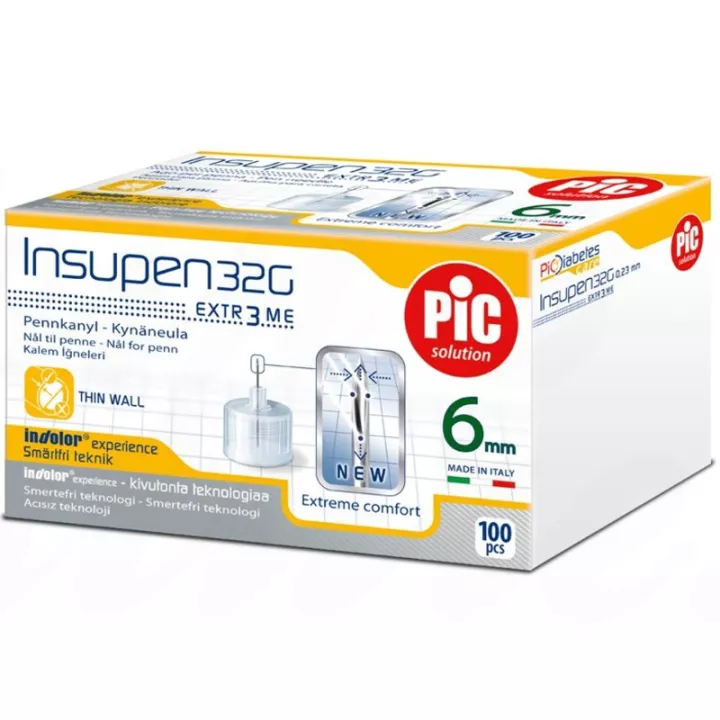
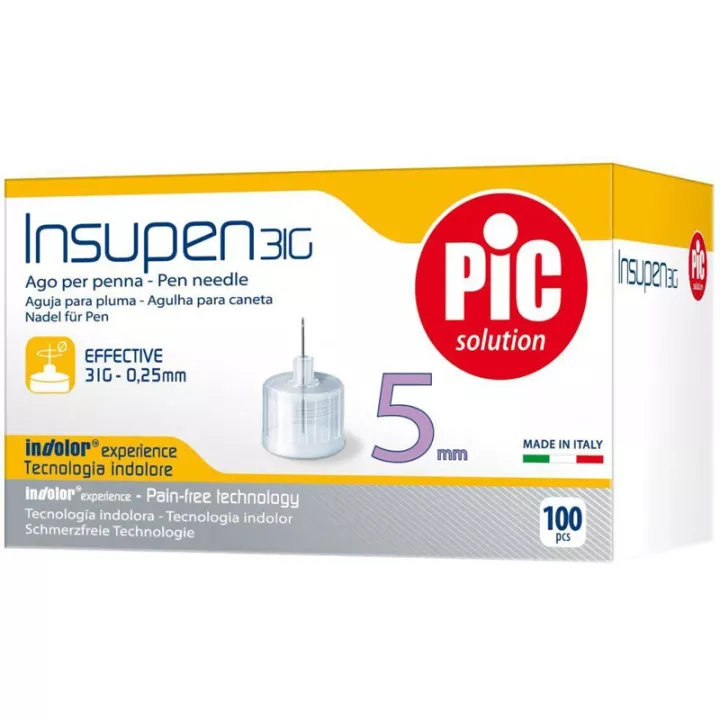
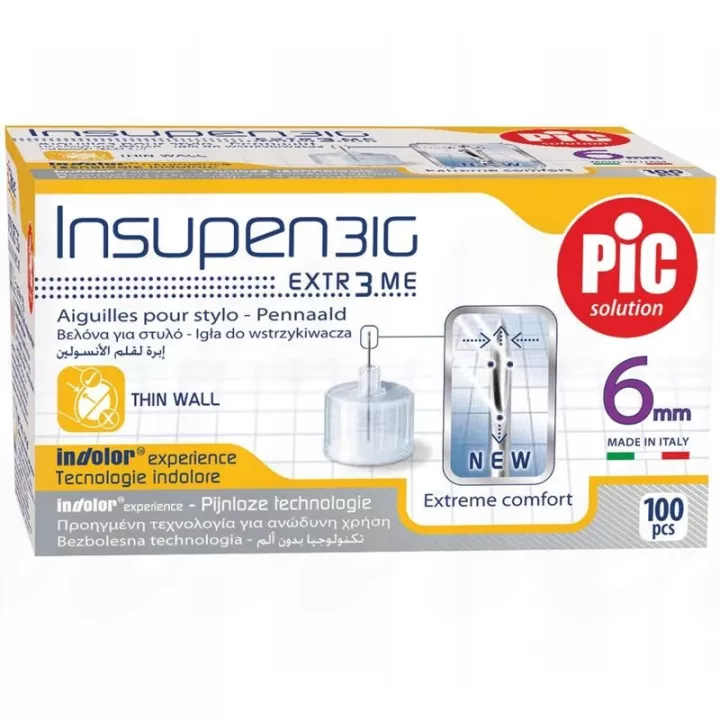
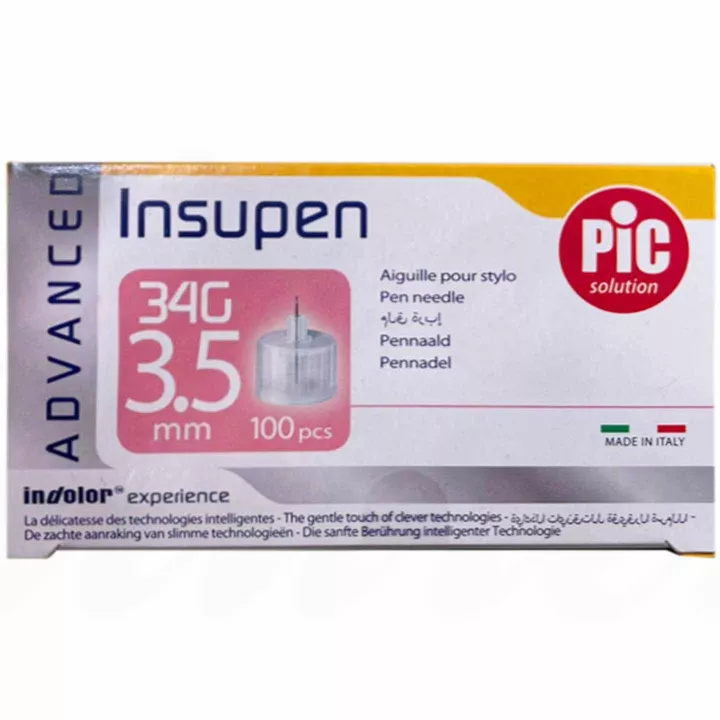
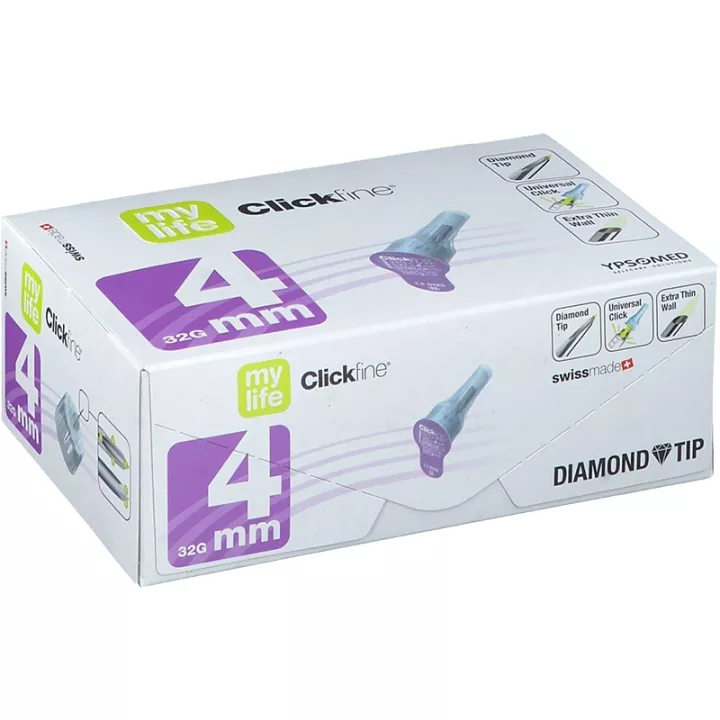
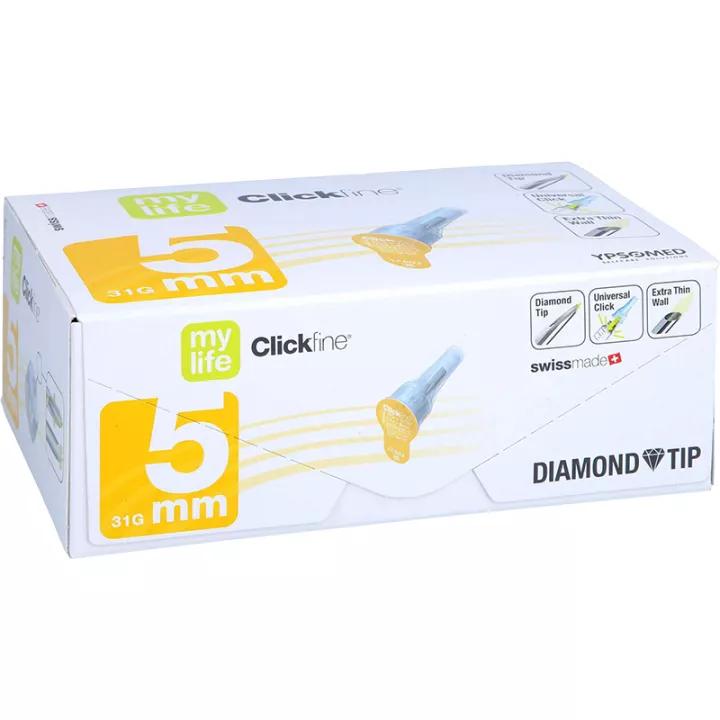
Available in lengths of 3.5 mm, 5 mm, and 6 mm. Diameter in Gauge G32 or G31.
Insupen pen needlesfeature a Pic needle tip and offer pain-free technology. The reduced outer diameter, thinner walls, and lubricating coating allowInsupen pen needlesto deliver a comfortable andpain-free injection. Insupen isacomprehensiveline of pen needlesin terms of diameter and length and can be used with any injection technique.
Technical specifications of the line:
- Triple-beveled tips facilitateskinpenetration to reduce pain.
- A lubricating coating reduces resistance to needle penetration.
- The larger inner diameter allows youto increase the insulin flow rate,thereby reducing injection time.
- The tip designed to penetrate the insulin cartridge cap features an anti-corrosion coating, which facilitates needle insertion and reduces the release of debris inside the cartridge.
The pen needleis a sterile, single-use device; therefore, it must be replaced after each injection, otherwise you risk:
- An inaccurate dose. Leaving the needle on the pen between injections can alter the composition of the insulin.
- Air entering the cartridge through the needle. Air bubbles reduce the insulin flow rate during injection,risking a reduced dose of the medication.
- Insulin crystallization. If the needle is left on the pen, the insulin inside the pen crystallizes and partially or completely blocks the needle, making the injection difficult or even impossible.
- Developing infections. Once used, the pen needle is no longer sterile.
- Experiencing a more painful injection. During the injection, the lubricant on the needle is removed and the needle tip gradually becomes deformed.
- Insupen pen needlescomply with the EN ISO 11608-2:2000 Type A standard. They are therefore compatible with allinsulin pensavailable on the market that also comply with this standard.
How to Properly Use the Insupen 31-Gauge 5mm Insulin Injection Needle?
Sterile, single-use, ultra-fine needles for insulin pens: Boxes of 100.
The anti-fragmentation treatment on the cartridge tip ensures a perfect puncture of the cap. This allows the insulin to flow without impurities.
Compatible with insulin pens from Sanofi-Aventis, Novo Nordisk, Eli Lilly, and Owen Mumford, as well as other pens that meet the Uni EN ISO 11608-1:2001 “Type A” standard.
- Pack of 100.
- Suitable for all insulin standards
- Featuring modern “thin wall” technology. The extra-large inner diameter ensures optimal insulin delivery. This allows for simpler administration with minimal interference
- with a special triple-faceted, electropolished needle tip for precision and sharpness
- Silicone-coated surface for smooth lubrication
- Pyrogen-free and latex-free
What is the composition of the Insupen insulin injection needle?
Insupen Insulin Injection Needle is formulated with: Composition to be provided
What are the side effects and contraindications?
For external use only. Follow the instructions for use. Store in a clean, dry place away from heat, light, and moisture. Always keep out of reach of children.
Presentation and Packaging
A box containing 100 needles. Available in lengths of 3.5 mm, 5 mm, and 6 mm. Gauge: G32 or G31
Our Advice and Expert Opinions from Pharmacists
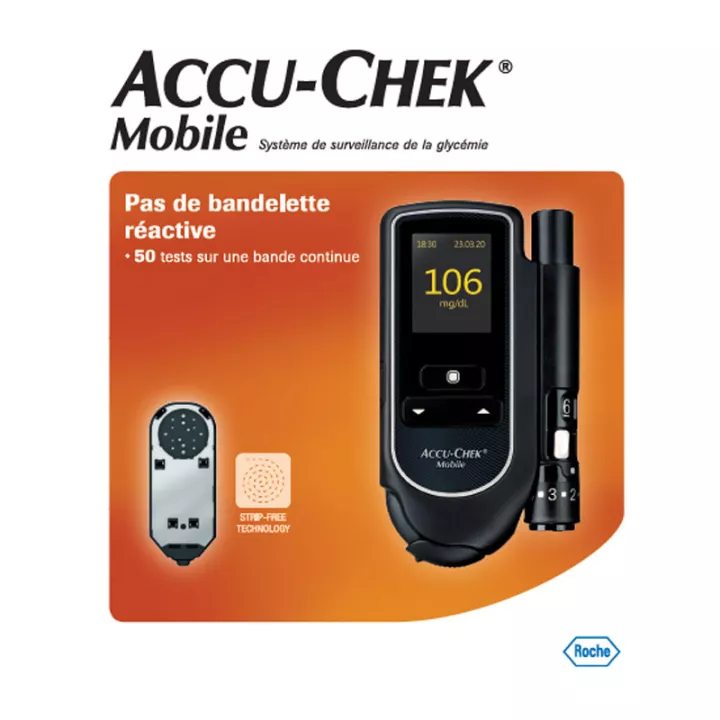
If you have diabetes, a blood glucose meter could well become your most reliable friend, as well asan indispensable tool for managing your condition.
- Hypoglycemia: Hypoglycemia occurs when a person’s blood sugar level falls below 0.6 g/L. In this state, a person may experience signs of weakness(tremors, paleness, wobbly legs, stomach cramps, nausea, headaches).
- Hyperglycemia: When blood sugar levels exceed 1.1 g/l, the person is in a state of hyperglycemia. Signs of hyperglycemia includeextreme fatigue, persistent thirst, and abnormally large amounts of urine.
Imbalances in blood glucose levels can have a number of different causes.