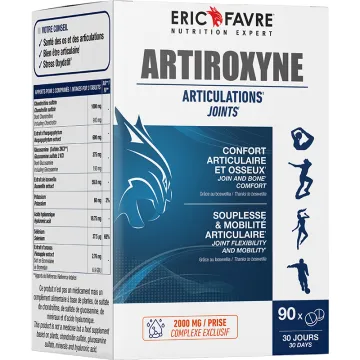
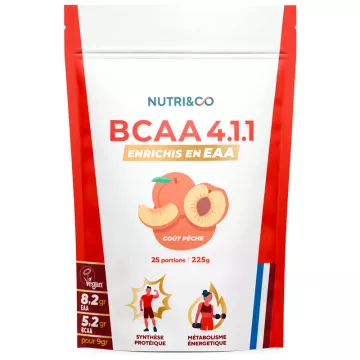
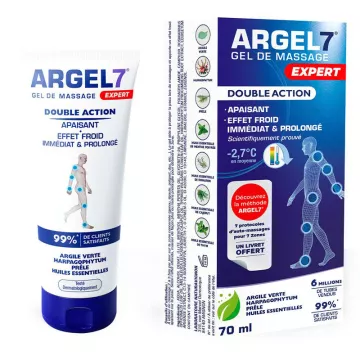
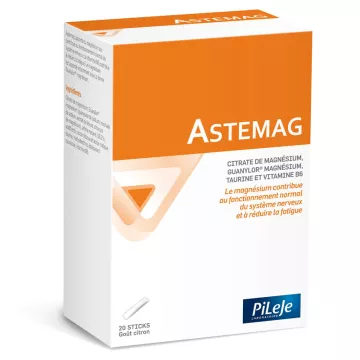
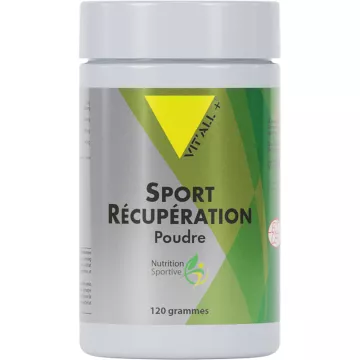
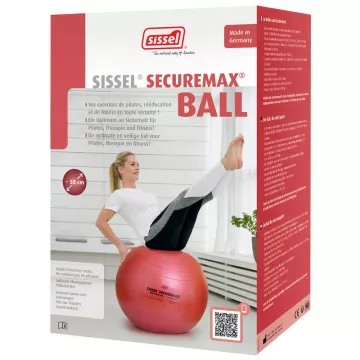
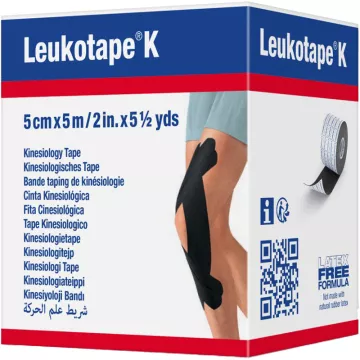
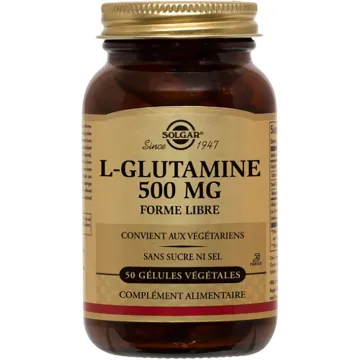
Sports recovery is the active physiological phase that follows physical exertion, during which the body repairs micro-tears in the muscles, replenishes its energy stores, and consolidates the adaptations induced by training. Without adequate recovery, progress gives way to stagnation and then to overtraining. Recovery is actively managed through nutritional choices, physical techniques, and a healthy lifestyle. It affects both the health of joints and tendons—which adapt 3 to 5 times more slowly than muscles—and performance during the next workout.
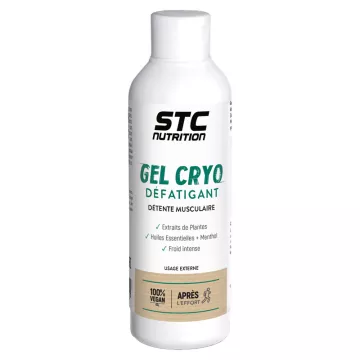
Cryotherapy (immersion in cold water at 10–15 °C, ice baths, cryochamber) reduces acute post-exercise inflammation, edema, and delayed-onset muscle soreness (DOMS) by inducing local vasoconstriction, which limits the accumulation of inflammatory mediators. Meta-analyses confirm a significant reduction in muscle pain within 24 to 96 hours after exercise for contact sports and intense eccentric exercises. However, routine use after every workout is not recommended: the post-exercise inflammatory response is also a signal of muscle adaptation—blocking it too often may reduce long-term gains. Cryotherapy is more appropriate during competition periods or between closely spaced workouts.
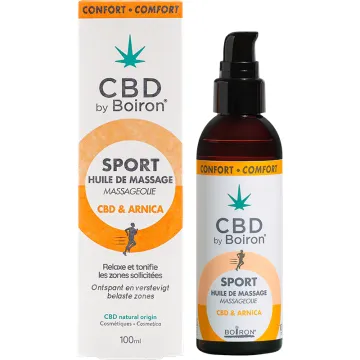
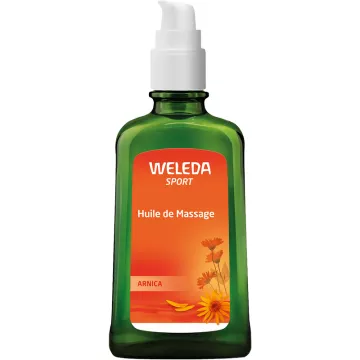
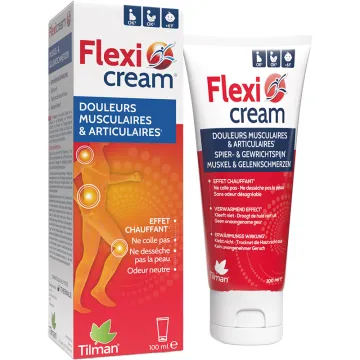
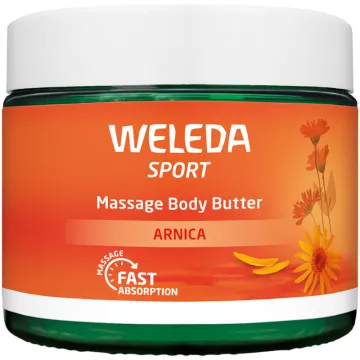
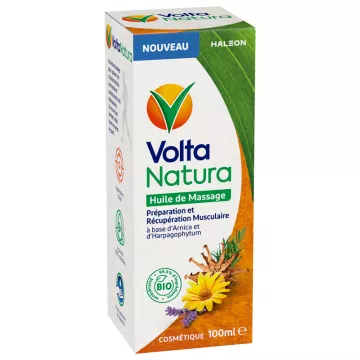
Turmeric (curcuminoids) is the most well-documented plant-based anti-inflammatory agent in the context of sports. It inhibits the NF-kB and COX-2 pathways involved in the production of post-exercise inflammatory mediators, without the side effects of nonsteroidal anti-inflammatory drugs. Clinical studies show that turmeric supplementation (1 to 3 g/day of curcuminoids with piperine) significantly reduces the intensity of DOMS, markers of muscle damage, and loss of strength within 24 to 72 hours after eccentric exercise. Combining it with topically appliedArnica montana (gel, cream) creates a localized anti-inflammatory and analgesic synergy for painful areas after exercise.
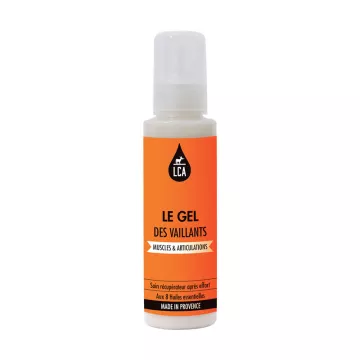
Active recovery—light walking, low-resistance cycling, gentle swimming, yoga—is generally superior to complete rest for reducing delayed-onset muscle soreness and accelerating functional recovery. It improves local blood flow to injured muscles, increasing the supply of oxygen and nutrients and accelerating the removal of metabolic waste products. Low-intensity sessions lasting 20 to 30 minutes the day after intense exercise reduce DOMS without causing additional stress. Massage (traditional or with a foam roller) has similar effects by improving local circulation and reducing residual muscle tension.
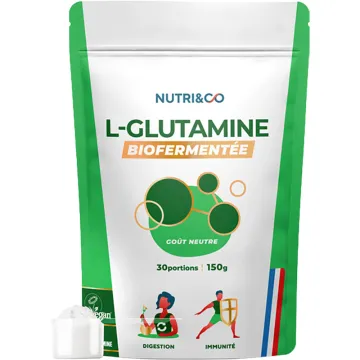
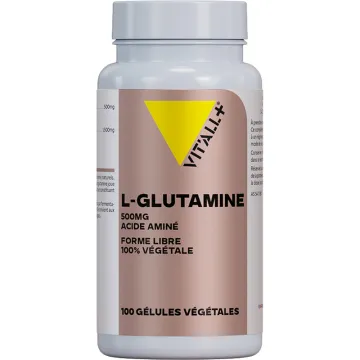
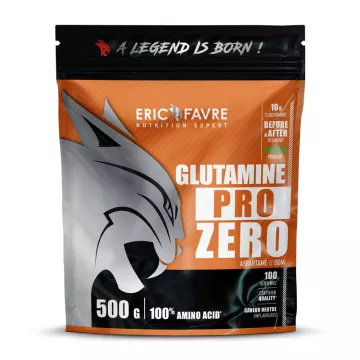
The gut microbiota is an emerging factor in athletic recovery. Intense exercise increases intestinal permeability, allowing bacteria to enter the bloodstream and amplifying post-exercise systemic inflammation. Probiotics (Lactobacillus rhamnosus GG, Bifidobacterium longum) strengthen the intestinal barrier, reduce bacterial translocation, and decrease systemic inflammation. Studies on long-distance runners show that probiotic supplementation reduces the frequency of post-competition upper respiratory infections and improves perceived recovery. Glutamine also supports the health of the intestinal mucosa during periods of intense training.
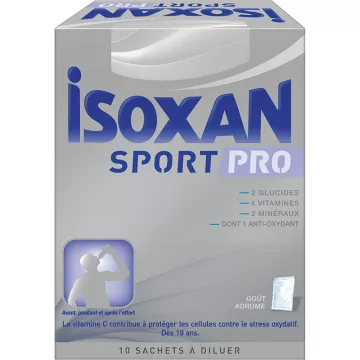
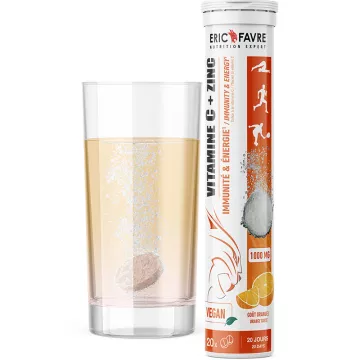
Vitamin C plays a dual role in athletic recovery: