What makes joint pain worse on a daily basis?
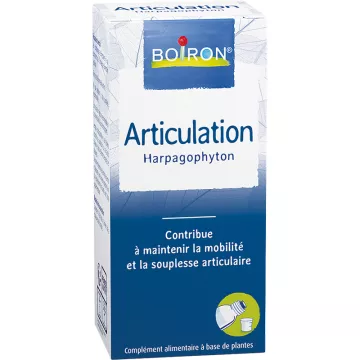
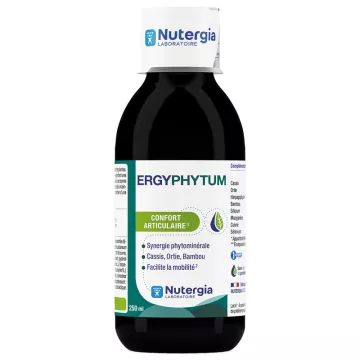
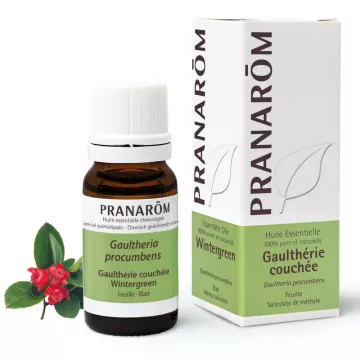
Painful joints respond to very specific triggers—identifying them allows you to take action before symptoms arise rather than waiting for a flare-up. Our joint pain product line offers solutions tailored to the cause and intensity of the discomfort.
- Weather changes: A drop in barometric pressure (stormy, humid weather) causes a slight expansion of the periarticular tissues—which is perceived as increased pain—a well-documented phenomenon inosteoarthritis and rheumatoid arthritis
- Cold: makes synovial fluid more viscous and reduces joint lubrication—stiffness and pain are more pronounced in the morning during winter—local heat (warm clothing, heat packs) improves comfort
- Chronic stress: raises cortisol and pro-inflammatory cytokines—exacerbates inflammatory pain and lowers the pain threshold—a vicious cycle of pain → stress → pain
- Sedentary lifestyle: deprives cartilage of its nourishment via synovial imbibition and worsens muscle spasms—inactivity is just as harmful as overuse
What supplements are recommended for chronic joint pain?
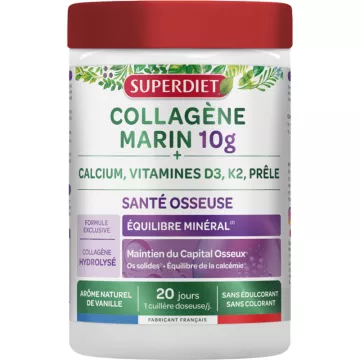
In addition to structural compounds (glucosamine, chondroitin, marine collagen), certain natural pain-relieving compounds provide faster relief for chronic joint pain.
- Krill oil: a sourceof omega-3 (EPA/DHA) in the form of phospholipids—better absorption than standard fish oil—more bioavailable, anti-inflammatory effect at lower doses
- Concentrated fish oil: high-dose EPA/DHA (at least 1 g/day of EPA+DHA)—documented benefits for morning stiffness in rheumatoid arthritis and osteoarthritis-related discomfort
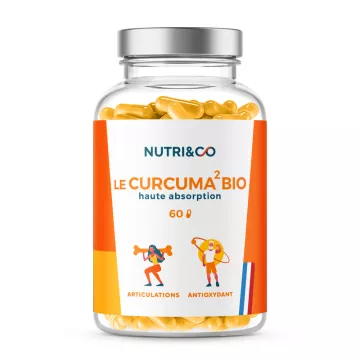
- Turmeric + ginger: anti-inflammatory synergy—ginger also inhibits prostaglandins and leukotrienes—combined formulas available
- Vitamin C: reduces oxidative stress in the joints and acts as a cofactor in collagen synthesis — 200–500 mg/day is sufficient if your diet is rich in fresh fruits and vegetables
- Effective combinations: glucosamine + chondroitin (structure) + turmeric/boswellia (inflammation) + omega-3 (prostaglandins)—three complementary levels of action
How can you prevent joint pain in the long term?
Prevention is more effective than treatment—lifestyle changes significantly reduce the risk and intensity of joint pain. Our joint health page details complementary protocols.
- Body weight: Every kilogram lost reduces pressure on the knees by 3 to 5 kg with each step — the most effective preventive measure for weight-bearing joints
- Anti-inflammatory diet: Mediterranean diet—fatty fish 2–3 times a week, colorful vegetables, berries (anthocyanins), olive oil—reduce refined sugars and pro-inflammatory saturated fats
- Regular physical activity: swimming, cycling, Nordic walking, water aerobics—strengthen the periarticular muscles and maintain cartilage health without overloading the joints
- Stress management: meditation, cardiac coherence, yoga—reduce systemic levels of cortisol and inflammatory cytokines—direct benefit for inflamed joints
- Optimize sleep: joint tissue repair occurs primarily during deep sleep — 7 to 9 hours per night
When does joint pain require medical attention?
Supplements and palliative care are appropriate for mild to moderate mechanical pain—certain situations require a medical evaluation to determine the appropriate treatment, particularly in cases of inflammatory rheumatism.
- New joint pain with no apparent trauma lasting more than 3 weeks — clinical and radiological evaluation recommended
- Multiple joints affected simultaneously + fatigue + mild fever—suggest connective tissue disease or early-stage inflammatory arthritis
- Intense nighttime pain that does not change with activity—suggest an inflammatory or neoplastic cause that should be ruled out
- No improvement after 6–8 weeks of supplements and lifestyle changes—consult a rheumatologist to reevaluate the diagnosis
- Our joint care product line is a complement to medical care for severe or progressive forms of the condition