0
Menu
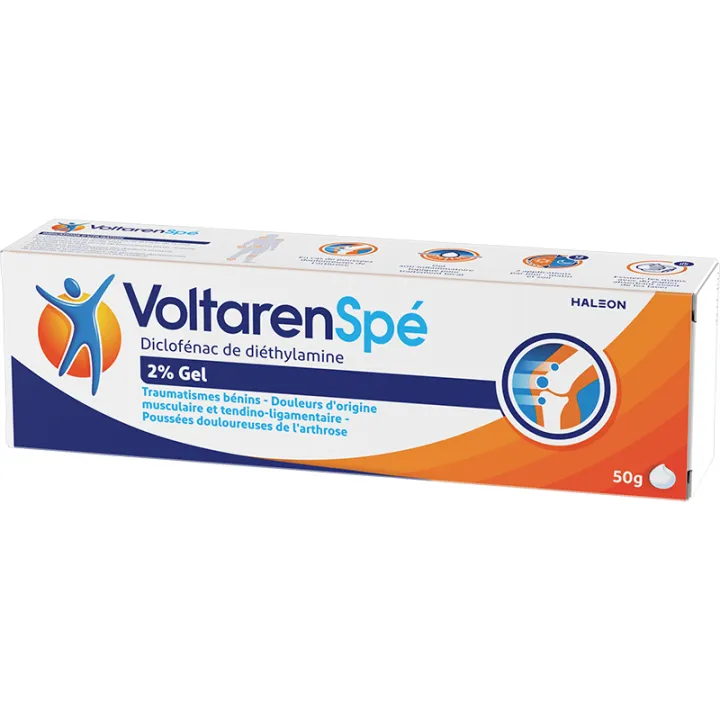
VoltarenSpé 2% Anti-inflammatory Gel Diclofenac
Over-the-counter medication

VoltarenSpé 2% Anti-inflammatory Gel Diclofenac

Brand : Haleon Haleon

VoltarenSpé 2% Gel is a diclofenac-based local anti-inflammatory. It acts effectively on osteoarthritis flare-ups, muscle pain and minor trauma (sprains, bruises). Available without prescription in 50g tubes.

€9.81 EXCL. VAT €10.79 INCL. VAT
In stock Shipped within 24h Secure payment
Reference : 3400930231760
You must be logged in to add this product to a list. Customer login
See delivery conditions

Our doctors of pharmacy advise you

Flector Gel 1% Anti-Inflammatory Tube 60 g Flector Gel 1% Anti-Inflammatory Tube 60 g
€3.57
Add to cart
Shipped within 24h
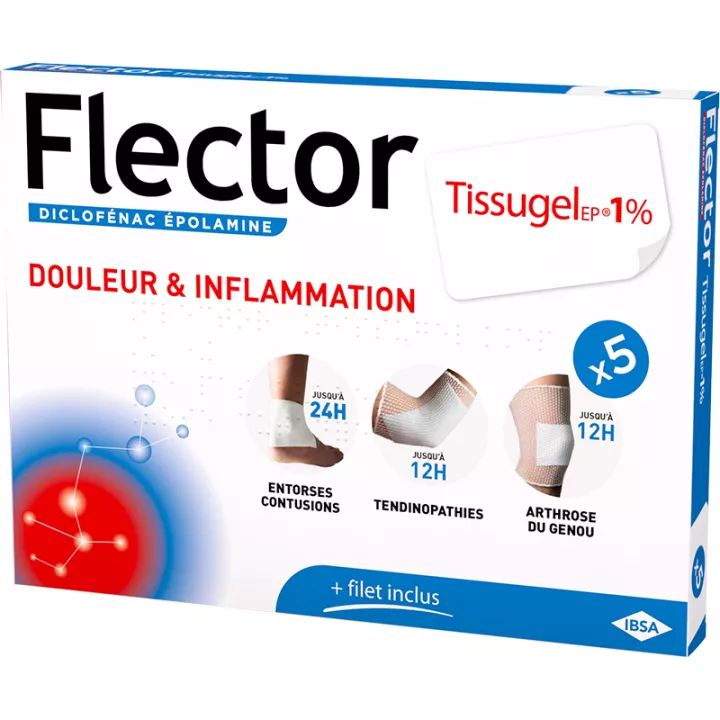
Flectortissugelep 1% Patch for 5 envelopes Flectortissugelep 1% Patch for 5 envelopes
€12.16
Shipped within 24h
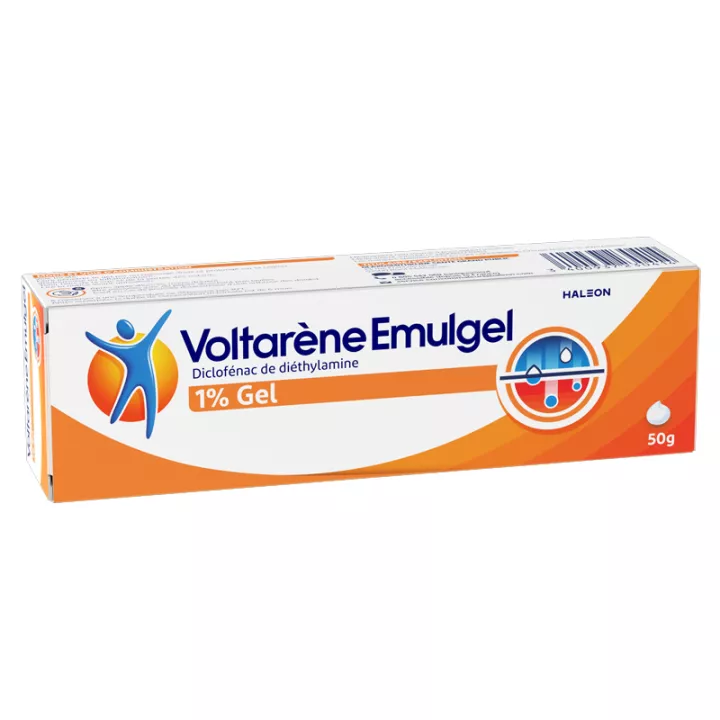
VoltareneEmulgel 1% Gel Tube of 50 g VoltareneEmulgel 1% Gel Tube of 50 g
€3.99
Add to cart
Shipped within 24h
VoltarenActigo Medicated plaster VoltarenActigo Medicated plaster
Box of 5 Box of 7
€15.49
Add to cart
Shipped within 24h
VoltarenActigo 2% Intense Pain Relief Gel 30 g tube VoltarenActigo 2% Intense Pain Relief Gel 30 g tube
€7.29
Add to cart
Sent in 5 in 7 working days

When should VoltarenSpé 2% Gel be used to relieve joint or muscle pain?

When a joint stiffens, the slightest movement triggers discomfort or pain sets in after a misstep, our first instinct is to seek rapid, targeted relief. Inflammatory pain, whether articular, muscular or post-traumatic, impairs quality of life, disrupts sleep, limits daily activities and can even encourage compensatory posture, a source of secondary disorders. VoltarenSpé 2% Gel has been formulated for these specific situations. Its high concentration of diclofenac, a well-documented non-steroidal anti-inflammatory drug (NSAID), gives it local efficacy while limiting systemic exposure, thus reducing the risk of digestive side effects.

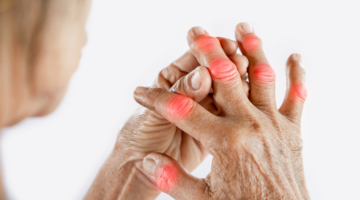
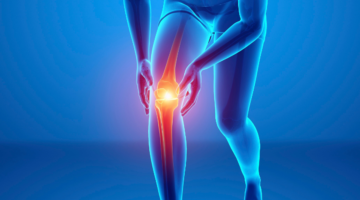
Its use is particularly relevant during painful flare-ups of osteoarthritis, following medical evaluation. Osteoarthritis is a degenerative pathology of articular cartilage, causing inflammation of the synovial membrane, joint pain, morning stiffness and functional limitation. By applying VoltarenSpé 2% directly to the affected joint, diclofenac penetrates the skin layers and reaches the inflamed area to modulate locally the production of prostaglandins, key mediators of inflammation. This mechanism makes it possible to reduce pain without resorting to continuous oral treatment, which is often poorly tolerated by the elderly or people with polymedias.

The gel is also recommended for pain of muscular origin, whether acute (post-exertion aches and pains, cramps, contractures) or chronic (cervical or lumbar pain linked to postural stress). VoltarenSpé 2% Gel is an invaluable therapeutic ally. Its fluid galenic formulation facilitates gentle massage of the strained area, promoting penetration of the active ingredient, and thus improving muscle relaxation while providing a soothing sensation of freshness.

In the case of mild trauma, sprains, strains, shocks or bruises with haematomas, the inflammatory reaction quickly becomes apparent: oedema, local heat, sharp pain on palpation. Early application of VoltarenSpé 2% Gel controls inflammation, limits the spread of edema, and shortens the pain phase, enabling a faster return to functional mobility without the need for systematic oral analgesics.

Its use is an integral part of overall management, combined with physical measures such as relative rest, elevation of the affected limb, alternating cold and heat, or light stretching when pain permits. For patients who are sensitive to drug treatments or are looking for complementary alternatives, natural food supplements such as Turmeric, Harpagophytum or Blackcurrant can be considered, in synergy with topical treatment, as part of a personalized pain management strategy.

How to use this topical anti-inflammatory gel?

VoltarenSpé 2% Gel is intended for adults and adolescents aged 15 and over. The dose depends on the type of pain:

  • Painful flare-ups of osteoarthritis: apply locally 2 times a day, massaging lightly, for 7 to 14 days maximum on medical advice. Each application should not exceed 4 g of gel (i.e. a 10 cm ribbon).
  • Muscle pain: apply locally 2 times a day for up to 7 days. The quantity should not exceed 2.5 g of gel (about 6 cm of ribbon).
  • Benign sprains or contusions: same as above, but for a maximum of 4 days.

Give your opinion on the advice for use and dosage of VoltarenSpé 2% Gel with our partner Avis Vérifiés after your purchase.

Precautions

  • Do not swallow the gel, and avoid contact with eyes and mucous membranes.
  • Apply only to healthy skin, without sores, eczema or burns.
  • If a rash appears, stop treatment immediately and ask your pharmacist for advice.
  • Avoid exposure to the sun or UV lamps for the duration of treatment.
  • Do not cover the treated area with an occlusive dressing.
  • Avoid use on large surfaces or open wounds, especially if you are sensitive to propylene glycol or butylated hydroxytoluene.
  • This gel is not suitable for pregnant women over the age of 6 months, or for breast-feeding women.
  • Do not use in children or adolescents under 15 years of age.
  • Tell your doctor if you are taking other medicines containing diclofenac, to avoid cumulative overdose.

What is the composition of this anti-inflammatory gel to relieve joint and muscle pain?

Ingredients :

Diethylamine diclofenac 2.32 g (corresponding amount to sodium diclofenac 2.00 g), Propylene glycol, Butylhydroxytoluene, D-Limonene, Linalool, Carbomers, Cocoyl caprylocaprate, Diethylamine, Isopropyl alcohol, Liquid kerosene, Macrogol cetostearyl ether, Oleyl alcohol, Eucalyptus fragrance, Purified water.

Presentation:

50 g tube. Available at the best price from our online pharmacy.

Expert advice

To boost the efficacy of VoltarenSpé 2% gel without exceeding doses, you can combine its use with simple but often overlooked measures: elevate the painful area after application, avoid sudden exertion, and if necessary combine herbal supplements such as harpagophytum or turmeric. In the case of chronic pain, a podiatric assessment or physiotherapy session may reveal imbalances that need to be corrected.

FAQ

Can I use VoltarenSpé 2% Gel on an open wound?
No. The gel should never be applied to injured skin, wounds, burns or eczema.

Can I use it during pregnancy?
Only before 24 weeks of amenorrhea, under strict medical supervision. After that, the gel is contraindicated.

Do I need to massage the gel in for a long time?
No. A light massage is enough to make the gel penetrate the skin. Leave to dry before covering the area if necessary.

Pharmacovigilance Report an adverse drug reaction(s)

Download PDF leaflet

NOTICE

ANSM - Updated on : 15/10/2025

Product name

VOLTARENSPE 2%, gel

Diethylamine diclofenac

Box

Please read this leaflet carefully before using this medicine, as it contains important information for you.

Always use this medicine exactly as it is described in this leaflet or by your doctor or pharmacist.

- Keep this leaflet. You may need to read it again.

- Ask your pharmacist for any advice or information you may need.

- If you experience any of the side effects listed above, please tell your doctor or pharmacist. This also applies to any side effects not mentioned in this leaflet. See section 4.

- You should contact your doctor if you do not feel any improvement or if you feel less well:

- after 4 days in case of minor trauma: sprain, contusion,

- after 7 days for muscular and tendino-ligamentary pain,

- after a maximum of 14 days for painful arthrosis flare-ups.

Keep out of the reach of children.

What does this leaflet contain?

1. What is VOLTARENSPE 2% gel and what is it used for?

2. Whatdo I need to know before using VOLTARENSPE 2%, gel?

3. How do I use VOLTARENSPE 2%, gel?

4. What are the possible side effects?

5. How should VOLTARENSPE 2% gel be stored?

6. Package contents and other information.

1. WHAT IS VOLTARENSPE 2%, gel AND WHAT IS IT USED FOR?

Pharmacotherapeutic class: NON-STEROIDIC ANTI-INFLAMMATORY FOR TOPICAL USE - ATC code: MO2AA15

Diclofenac is a non-steroidal anti-inflammatory, derived from phenylacetic acid of the arylcarboxylic acid group, with local, anti-inflammatory and analgesic activity.

This medicine is intended for adults (15 years and over), for short periods, in :

- local treatment of minor trauma: sprains, contusions;

- local treatment of muscular and tendino-ligamentary pain;

- symptomatic treatment of painful flare-ups of arthrosis, after at least one medical consultation.

2. WHAT DO I HAVE TO KNOW BEFORE USING VOLTARENSPE 2%, gel?

Never use VOLTARENSPE 2%, gel:

- From the beginning of the 6th month of pregnancy (beyond 24 weeks of amenorrhea),

- Hypersensitivity to diclofenac,

- Hypersensitivity to any of the excipients,

- Injured skin, whatever the lesion: oozing dermatitis, eczema, infected lesions, burns or wounds,

- History of allergy or hypersensitivity (occurrence of asthma, angioedema, urticaria or acute rhinitis) triggered by a drug containing diclofenac, acetylsalicylic acid or other non-steroidal anti-inflammatory drugs (NSAIDs).

- In children and adolescents under 15 years of age.

IF IN DOUBT, ASK YOUR DOCTOR OR PHARMACIST FOR ADVICE.

Warnings and precautions

Ask your doctor, pharmacist or nurse before using VOLTARENSPE 2%, gel.

Be careful with VOLTARENSPE 2%, gel:

Do not swallow.

Do not apply to mucous membranes or eyes.

Apply only to the painful area, on intact, healthy skin free of sores, open lesions or skin with a deczema rash.

In case of contact with eyes, rinse thoroughly with water. If discomfort persists, talk to your doctor or pharmacist.

If a rash appears after application, discontinue treatment immediately. If this occurs, contact your doctor or pharmacist.

VOLTARENSPE 2%, gel should be used with caution in patients with a history of :

- stomach or intestinal ulcer, intestinal inflammation, kidney or liver disease (renal or hepatic insufficiency) or blood coagulation disorder (bleeding diathesis),

- bronchial asthma or allergic disease.

Dosage should be kept as low as possible for the shortest time necessary to relieve pain.

To reduce the risk of photosensitization, avoid exposure to sunlight (even hazy sunlight or UV booths).

This medicine contains propylene glycol; do not use on open wounds or large areas of injured or damaged skin (burns) without telling your doctor or pharmacist.

This product contains butylated hydroxytoluene and may cause local skin reactions (contact dermatitis) or irritation of the eyes and mucous membranes.

Do not use under an occlusive dressing, but a bandage or compress may be used. If there is no improvement after the recommended treatment period, or if symptoms worsen, consult a doctor.

In the event of intensive use, gloves should be worn by the physiotherapist.

Children and adolescents (under 15)

There are limited data on safety and efficacy in children and adolescents under 15 years of age (see "Never use VOLTARENSPE 2% gel in the following situations").

Other drugs and VOLTARENSPE 2%, gel

Please tell your doctor or pharmacist if you are taking or have recently taken any other medicines, even if obtained without a prescription.

This medicine contains diclofenac. Other drugs contain diclofenac, particularly certain oral medications. Do not combine them, so as not to exceed the maximum recommended doses (see Dosage and Administration).

VOLTARENSPE 2%, gel with food, drink and alcohol

Not applicable.

Pregnancy, breast-feeding and fertility

Pregnancy

If you are pregnant or breastfeeding, think you may be pregnant or are planning to become pregnant, ask your doctor or pharmacist for advice before taking this medicine.

- Unless absolutely necessary, diclofenac should not be prescribed during the first 24 weeks of amenorrhea (5 months of pregnancy). If diclofenac is administered to a woman wishing to become pregnant or who is less than six months pregnant, the dose should be as low as possible and the duration of treatment as short as possible.

If you have taken this medicine while pregnant, talk to your obstetrician-gynecologist immediately, so that appropriate monitoring can be arranged.

Breast-feeding

This drug passes into breast milk. As a precautionary measure, it should not be used while breast-feeding.

Under no circumstances should this product be applied to the breasts of nursing mothers.

Ask your doctor or pharmacist for advice before taking any medication.

Fertility

This drug, like all non-steroidal anti-inflammatory drugs (NSAIDs), may impair fertility in women, making it difficult for them to become pregnant.

Tell your doctor if you are planning a pregnancy or have difficulty conceiving.

Driving vehicles and operating machinery

Topical application of diclofenac has no effect on the ability to drive or operate machinery.

VOLTARENSPE 2% gel contains propylene glycol and butylated hydroxytoluene, d-limonene and linalool:

This medicine contains 50 mg propylene glycol per g gel.

This medicine contains butylhydroxytoluene and may cause local skin reactions (e.g. contact dermatitis), or irritation of the eyes and mucous membranes.

This product contains perfume containing d-limonene and linalool, which may cause allergic reactions.

3. HOW TO USE VOLTARENSPE 2%, gel?

Always use this medicine exactly as instructed in this leaflet or as directed by your doctor, pharmacist or nurse. Check with your doctor, pharmacist or nurse if in doubt.

Dosage

For adults only (15 years and over).

Dosage depends on indication.

The occurrence of undesirable effects can be minimized by using the lowest possible dose for the shortest duration of treatment necessary to relieve symptoms.

Minor trauma: sprain, contusion

1 local application, 2 times a day (morning and evening), for a maximum of 4 days. If pain persists beyond this period, a doctor should be consulted.

The dose for each application should not exceed 2.5 g of gel. This maximum dose corresponds to a 6 cm ribbon of gel (see scale diagram).

image001.jpg

Pain of muscular and tendino-ligamentary origin

As adjunctive treatment: 1 local application, 2 times a day (morning and evening), for a maximum of 7 days. If pain persists beyond this period, a doctor should be consulted.

The dose for each application should not exceed 2.5 g of gel. This maximum dose corresponds to a 6 cm ribbon (see scale diagram).

image001.jpg

Painful flare-ups of arthrosis

Only after initial medical advice.

Symptomatic treatment: 1 local application, 2 times a day (morning and evening), for 7 days. Treatment may be continued, if necessary, for up to 14 days. If pain persists beyond this period, a doctor should be consulted.

The dose administered per application should not exceed 4 g of gel. This corresponds to a ribbon of approximately 10 cm (see scale diagram).

image002.jpg

Special populations

Children under 15 years of age

This medicine must not be used in children under 15 years of age (see "Never use VOLTARENSPE 2% gel in the following cases").

Elderly subjects

This drug should be used with caution in the elderly, who are more prone to adverse reactions.

Method of administration

Apply to the skin.

Do not swallow. Do not apply to mucous membranes, eyes or damaged skin.

This drug must not be used under an occlusive dressing. However, a bandage or compress may be used.

Gently massage the gel into the painful or inflammatory area for a prolonged period.

After application:

- Hands should be wiped with absorbent paper (for example), then washed, except if the site to be treated is involved. After use, paper towels should be disposed of in the garbage can, not in the toilet, to prevent the product from entering the sewage system.

- Before dressing or applying a non-occlusive bandage, allow the gel to dry for a few minutes on the skin.

- If you need to shower or take a bath, apply the product afterwards.

If you have used more VOLTARENSPE 2% gel than you should have :

Wipe off excess gel with paper towel.

In case of accidental poisoning, consult your doctor or pharmacist immediately.

If you forget to use VOLTARENSPE 2%, gel :

If you accidentally miss a dose, wait until your next dose and continue your treatment as usual. Do not take a double dose to make up for the one you forgot to take.

If you stop using VOLTARENSPE 2%, gel :

Not applicable.

4. WHAT ARE THE POSSIBLE SIDE EFFECTS?

Like all medicines, VOLTARENSPE may cause undesirable effects, but these do not always occur in everyone.

Some rare and very rare side effects may be severe.

If you experience any of the following signs of allergy, discontinue use immediately and inform your doctor or pharmacist.

- Allergic skin reactions: rash (with or without pimples), urticaria, bullae.

- Respiratory problems such as asthma attacks (short, noisy breath, impression of reduced respiratory capacity).

- General manifestations of anaphylaxis (swelling of face, lips, tongue, throat).

- More frequently, adverse reactions, generally mild and transient, may occur:

- Local cutaneous effects such as redness, itching, skin irritation, erosion or local ulceration.

- Indeterminate: burning sensation at the application site, dry skin.

- Very rarely, increased sensitivity to sunlight.

- Other general effects of non-steroidal anti-inflammatory drugs, depending on the amount of gel applied, the surface treated and its condition, the duration of treatment and whether or not a closed dressing is used (digestive, renal effects).

Reporting side effects

If you experience any side effects, please tell your doctor or pharmacist. This also applies to any side effects not mentioned in this leaflet. You can also report adverse reactions directly via the national reporting system: Agence nationale de sécurité du médicament et des produits de santé (ANSM) and the network of Centres Régionaux de Pharmacovigilance - Website: https: //signalement.social-sante.gouv.fr/.

By reporting adverse reactions, you are helping to provide more information on drug safety.

5. HOW TO USE VOLTARENSPE 2%, gel

Keep out of sight and reach of children.

Do not use this medicine after the expiration date indicated on the packaging and on the tube after EXP. The expiration date refers to the last day of that month.

Store at a temperature not exceeding 30°C. After opening, maximum shelf-life is 6 months.

Do not dispose of any medicine down the drain or in the household waste. Ask your pharmacist to dispose of any medicines you no longer use. These measures will help protect the environment.

6. CONTENTS AND OTHER INFORMATION

What VOLTARENSPE 2% gel contains

- The active substance is :

Diethylamine diclofenac .............................................................................................. 2.32 g

Quantity corresponding to diclofenac sodium ................................................................... 2.00 g

For 100 g of gel.

- The other components are :

Carbomers, caprylic and capric esters with C12-C18 fatty alcohols, diethylamine, isopropyl alcohol, liquid kerosene, macrogol cetostearyl ether, oleic alcohol, eucalyptus* fragrance, purified water, propylene glycol, butylhydroxytoluene.

*composition of eucalyptus fragrance : cineole, methyl dihydrojasmonate, racemic camphor, essential oil of deucalyptus (eucalyptus globulus), linalool, cetalox, racemic rose oxide, dipropylene glycol, borneol laevo, caryophyllene, essential oil of pine, terpineol, dorange terpenes (D-limonene), alpha-pinene, essential oil of elemi, camphene, acetate C-9, linalool oxide.

What VOLTARENSPE 2% gel is and what it contains

This medicine comes in the form of a homogeneous, white to almost white gel, in 50 gtubes ().

Marketing authorization holder

HALEON FRANCE

23 RUE FRANCOIS JACOB

92500 RUEIL-MALMAISON

Marketing authorization holder

HALEON France

23 RUE FRANCOIS JACOB

92500 RUEIL-MALMAISON

Manufacturer

HALEON France

23 RUE FRANCOIS JACOB

92500 RUEIL-MALMAISON

Product names in member states of the European Economic Area

Not applicable.

The last date on which this leaflet was revised was :

[to be completed subsequently by the holder]

< {MM/YYYY}>< {month/YYYY}.>

Other

Detailed information on this drug is available on the ANSM (France) website.

HEALTH EDUCATION ADVICE

Caution: whatever the indication for which you are using this medicine, if there is complete functional impotence, i.e. if you cannot use the limb, and in the event of a significant haematoma ("bruise"), you should consult your doctor without delay.

Minor trauma: sprain, contusion

If you have just suffered a trauma or contusion, you can use the gel for up to 4 days to relieve your pain. Do not resume sports or strenuous exercise until the pain has completely disappeared.

In addition, in case of :

Ankle sprain :

You should consult your doctor, who will determine whether an X-ray and orthopedic treatment are necessary:

- if you can't stand on your leg at all to take four steps,

- or if a hematoma (bruise) appears within 24 to 48 hours,

- or if there is very significant deformity or swelling.

Knee injury:

You should consult your doctor, who will determine whether an X-ray and orthopedic treatment are necessary:

- in case of significant knee swelling, with or without hematoma,

- and/or inability to bear weight.

Pain of muscular and tendino-ligamentary origin

If you are unable to use the painful limb, or if the pain persists for more than 7 days, you should consult a doctor.

Painful flare-up of arthrosis

Arthrosis must be diagnosed by a doctor, who alone can distinguish it from other diseases.

You can use this medicine to relieve the pain associated with a flare-up of arthrosis. However, you should consult your doctor without delay:

- if the pain lasts for more than 14 days,

- or if the pain tends to occur at night,

- or if accompanied by redness, rash, severe swelling, fever, discomfort or if pain is diffuse.

VIDAL DE LA FAMILLE

VOLTARENSPE

Updated January 27, 2025
Drug family : Local anti-inflammatory

Indications

This gel contains a non-steroidal anti-inflammatory drug (NSAID). It fights inflammation and pain locally.

It is used for short-term local treatment of :
  • minor trauma: sprain, contusion ;
  • pain in muscles, ligaments and tendons (tendinitis);
  • painful flare-ups of osteoarthritis, on medical advice.

Presentations

VOLTARENSPE 1% : gel for local application; 100 g tube
Optional prescription - Not reimbursed - Free price
VOLTARENSPE 2%: gel for local application; tube of 50 g
Optional prescription - Non-refundable - Free price

Prices do not include dispensing fees.

Composition

p 100 g p 100 g
Diethylamine diclofenac 1,16 g 2,32, g
Either Diclofenac sodium 1 g 2 g
Propylene glycol + +
Benzyl Benzoate +
Butylhydroxytoluene +

Contraindications

This medicine must not be used in the following cases:

  • a history of asthma or allergy associated with NSAIDs, including aspirin ;
  • when applied to damaged skin (eczema, burns, wounds, etc.);
  • children under 15;
  • pregnancy (from the 6th month).

Warning

This medicine should only be used to relieve pain associated with a flare-up of osteoarthritis in cases of osteoarthritis already diagnosed by a doctor. Consult your doctor immediately if the pain lasts for more than 14 days, if it tends to occur at night, or if it is accompanied by fever, redness or severe swelling.

If a rash appears after applying the gel, do not continue applications without your doctor's advice.

Precautions should be taken if you have a history of peptic ulcer disease, renal insufficiency, liver failure or intestinal inflammation.

Do not apply this gel under an occlusive dressing without medical advice.

Fertility, pregnancy and breast-feeding

Pregnancy:

Oral NSAIDs may be toxic to the fetus; their use is contraindicated during the last 4 months of pregnancy. NSAIDs intended for topical application may pass through the skin into the bloodstream, exposing the fetus to the same risk. Do not use this medicine during the first 5 months of pregnancy without medical advice. Its use is formally contraindicated from the 6th month of pregnancy.

Breast-feeding:

Do not use this gel while breast-feeding without medical advice.

Directions for use and dosage

Apply a ribbon of gel (6 to 10 cm of gel depending on the case) with a gentle, prolonged massage over the painful area.

Usual dosage :

  • Adults and adolescents over 15: 2 to 4 applications of 1% gel per day or 1 application of 2% gel, morning and evening.

    Unless otherwise advised by your doctor, treatment should not exceed 4 days in the case of minor trauma, and 7 days in the case of tendino-ligament pain or osteoarthritis. If pain persists beyond this period, consult your doctor to assess the treatment.

Advice

This gel may be irritating to the eyes or mucous membranes: wash your hands after application (except when used for osteoarthritis of the fingers). In the event of accidental contact with eyes, rinse thoroughly.

The tube must not be stored for more than 6 months after opening. Remember to note the date of first use on the box.

Possible side effects

Common (1-10% of people): skin redness or irritation, eczema, itching.

Very rare (less than 0.01% of people): photosensitization, allergic reaction (urticaria, angioedema, asthma) requiring discontinuation of treatment.

Burning sensation at application site, skin dryness.

LEXICON

NSAID

Abbreviation for non-steroidal anti-inflammatory drug. A family of anti-inflammatory drugs not derived from cortisone (steroids), the best known of which is aspirin.

See article: Non-steroidal anti-inflammatory drugs (NSAIDs)

allergy

Skin reaction (itching, pimples, swelling) or general discomfort following contact with a particular substance, the use of a medicine or the ingestion of a food. The main forms of allergy are eczema, urticaria, asthma, angioedema and allergic shock (anaphylactic shock). Food allergy can also lead to digestive problems.

antecedent

A condition that has been cured or is still evolving. Antecedents can be personal or familial. Antecedents are the history of a person's health.

anti-inflammatory

A drug that fights inflammation. It can be either cortisone-derived (steroidal anti-inflammatory) or non-cortisone-derived (non-steroidal anti-inflammatory or NSAID).

osteoarthritis

Wear and tear of cartilage, responsible for joint pain and limited movement.

See article: Osteoarthritis and rheumatism

asthma

Disease characterized by difficulty in breathing, often resulting in wheezing. Asthma, whether permanent or acute, is caused by narrowing and inflammation of the bronchial tubes.

See article: Asthma

eczema

A skin disease manifested by pimples and intense itching. Eczema may be due to contact with an allergenic substance (contact eczema) or to a genetic predisposition (atopic eczema).

See article: Atopic dermatitis (atopic eczema)

sprain

Injury to the ligaments of a joint caused by trauma.

See article: Sprain

rash

Appearance of pimples or patches on the skin. These lesions may be caused by a food or medication, and may reflect an allergy or toxic effect. Many viruses can also cause rashes: rubella, roseola and measles are the best known.

inflammation

The body's natural reaction against an element recognized as foreign. It manifests itself locally as redness, heat, pain or swelling.

liver failure

Inability of the liver to fulfill its function, which is essentially the elimination of certain waste products, but also the synthesis of many biological substances essential to the body: albumin, cholesterol and coagulation factors (vitamin K, etc.).

kidney failure

Inability of the kidneys to eliminate waste products or drug substances. Advanced renal failure does not necessarily mean a reduction in the quantity of urine eliminated. Only a blood test and creatinine level can reveal this disease.

mucosa

Tissue (membrane) lining the body's cavities and ducts communicating with the outside world (digestive tract, respiratory system, urinary tract, etc.).

photosensitization

Abnormal sensitivity of the skin to light or ultraviolet rays, caused by a drug or a natural or chemical substance.

See article: Photosensitization.

Quincke

Allergic reaction generally affecting the face. Quincke's edema is characterized by swelling that can be spectacular. The eyelids are often the first to be affected. In rare cases, when the swelling reaches the throat, respiratory problems may occur and urgent treatment is required.

allergic reaction

Reaction caused by the body's hypersensitivity to a drug. Allergic reactions can take a variety of forms: urticaria, angioedema, eczema, measles-like rash and so on. Anaphylactic shock is a generalized allergic reaction that causes a sudden drop in blood pressure.

See article: Can you be allergic to drugs?

tendonitis

Inflammation of the tendons, causing pain during certain movements. The most common types affect the elbow tendon (tennis elbow) and the Achilles tendon.

See article: Tendonitis.

ulcer

A sunken lesion of the skin, mucous membranes or cornea.

  • Leg ulcer: chronic wound caused by poor blood circulation.
  • Peptic ulcer: localized wound in the mucous membrane of the stomach or duodenum, caused by excess acidity and very often the presence of bacteria (Helicobacter pylori). Stress, alcohol, smoking and certain medications (aspirin, NSAIDs, etc.) can all contribute to the development of ulcers.
urticaria

An eruption of pimples on the skin, most often of allergic origin. The pimples resemble nettle stings and vary in color from pale pink to red. Urticaria can appear or disappear within minutes, causing intense itching; it can be localized or generalized to the entire skin surface.

Advice from our naturopaths

Joint pain: some basic concepts Joint pain: some basic concepts

We have different types of joints, but they enable us to carry out a wide range of movements every day. Joint pain is a real worry on a daily basis. Don't let joint problems spoil your life. You have to take action! What is a healthy joint? Joints are classified according to the tissue that joins the bones and the…

Read the article on the blog
Joint pain and disease Joint pain and disease

Our joints are put to a severe test every day (walking, sport, standing for long periods, etc.). While normal wear and tear occurs, certain diseases can also be the source of joint pain. Let's take a look at them together. What are the main joint diseases that cause pain? Pain in a single joint can be caused by infectious arthritis,…

Read the article on the blog
What causes joint pain? What causes joint pain?

Joint pain(polyarthralgia) is a symptom with a variety of causes. They generally require medical assessment, particularly if they are severe or recurrent. Let's take a look at the various causes of joint pain. Degenerative causes (wear and tear on the joints) Osteoarthritis is one of the most common causes. This condition results from the breakdown of cartilage, often linked to…

Read the article on the blog
Natural Health Advice