What Is Muscle Pain, and How Is It Classified?
Muscle pain (myalgia) encompasses a broad spectrum of muscle conditions—ranging from mild post-exercise soreness to severe myopathy. Identifying the underlying mechanism helps determine the appropriate treatment. Our sports wellness and muscle comfort line offers active ingredients tailored to each type.
- Post-exercise pain (DOMS): microtrauma to muscle fibers—24–48 hours after exercise—mild—see our page on muscle soreness
- Muscle cramps: acute involuntary contraction—electrolyte imbalance, dehydration—see our page on muscle cramps
- Musclespasms: persistent localized tension—posture, stress, overexertion—see our page on muscle spasms
- Viral myalgia: diffuse pain associated with cytokines (flu, COVID) — fever + generalized pain
- Warning signs (seek urgent medical attention): progressive muscle weakness, dark urine (rhabdomyolysis), fever + severe muscle pain, pain at rest during the night without exertion
Natural anti-inflammatory ingredients for muscle pain
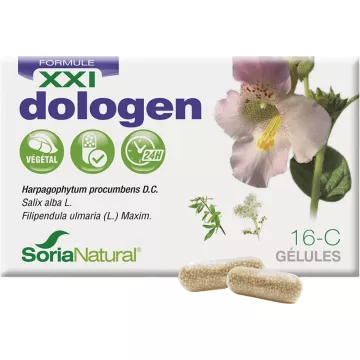
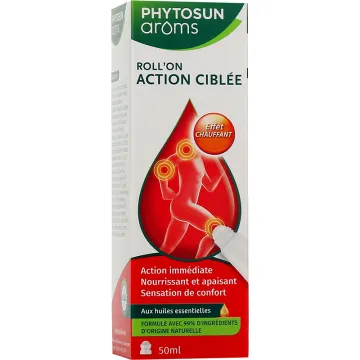
Several plants and natural ingredients have documented anti-inflammatory and muscle-relaxing properties. Find these formulations in our line of natural pain relievers.
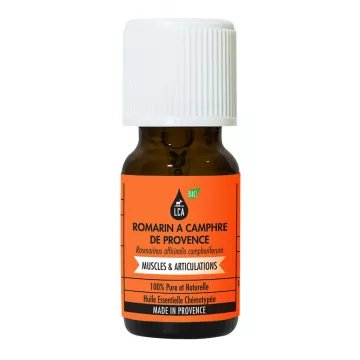
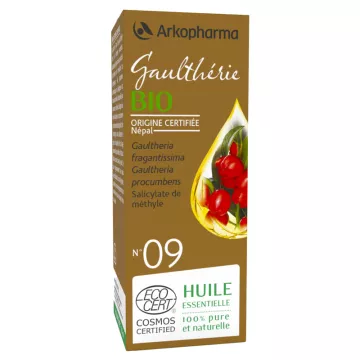
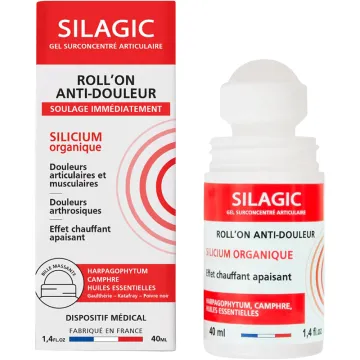
- Wintergreen: 98% methyl salicylate — natural topical NSAID — powerful anti-inflammatory and analgesic activity — gel or essential oil diluted and massaged onto localized muscle pain — do not use if allergic to aspirin
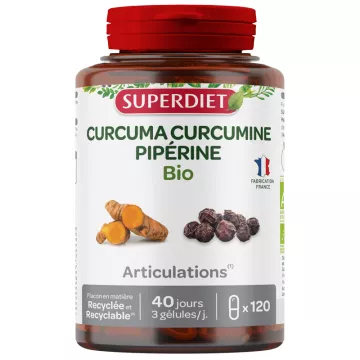
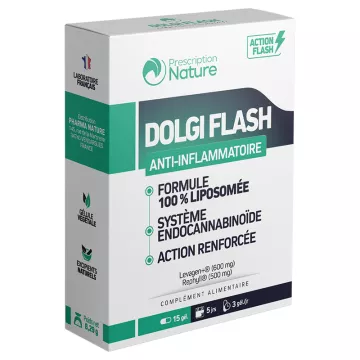
- Turmeric (curcumin): inhibits COX-2 and NF-kB — systemic anti-inflammatory — bioavailable formula (with piperine or liposomal) — 3-month course of treatment for chronic muscle pain
- Ginger (gingerol): inhibits prostaglandins and leukotrienes — analgesic and anti-nausea — synergistic with turmeric
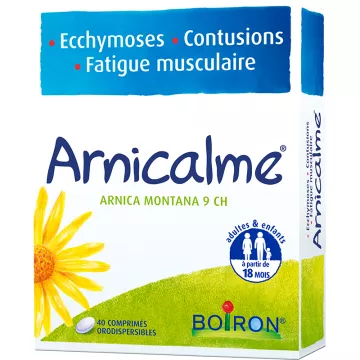
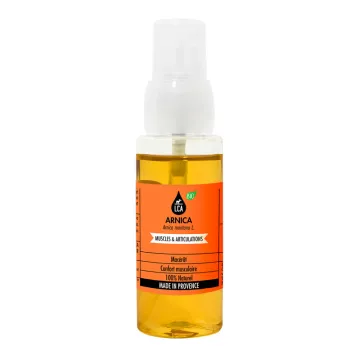
- Arnica montana: anti-hematoma and anti-contusion — gel for contusions and superficial muscle injuries
- Omega-3 (EPA/DHA): reduce muscular neuroinflammation — documented benefits for chronic myalgia and DOMS
Muscle recovery supplements: BCAAs, creatine, and glutamine
Beyond anti-inflammatories, certain active ingredients accelerate muscle recovery after exercise — complementary to the active ingredients in our muscle-building line.
- BCAAs (leucine, isoleucine, valine): reduce muscle protein breakdown during exercise—reduce DOMS—take before and after intense training
- Creatine: increases phosphocreatine stores—improves explosive performance and recovery—3–5 g/day for maintenance—documented long-term safety
- Glutamine: a conditionally essential amino acid during intense exercise — supports immunity and muscle integrity — 5–10 g/day post-workout
- Magnesium: regulates neuromuscular excitability and energy metabolism — 300–400 mg/day — a foundational nutrient for all athletes
- Total protein: 1.5–2 g/kg/day — building blocks of muscle fibers — should not be neglected during periods of intense muscle fatigue
Cryotherapy, sleep, and physical therapy: overall muscle recovery
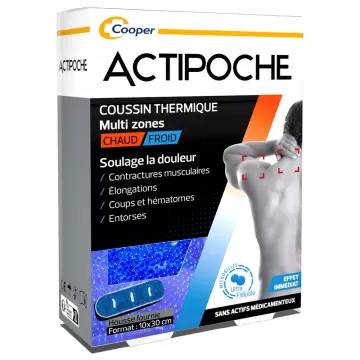
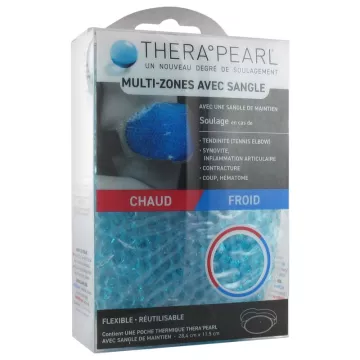
- Local cryotherapy: ice for 15–20 minutes on the painful area — vasoconstriction → reduced inflammation — use within 48 hours after exercise or injury — never apply heat during the first 48 hours if there is acute inflammation
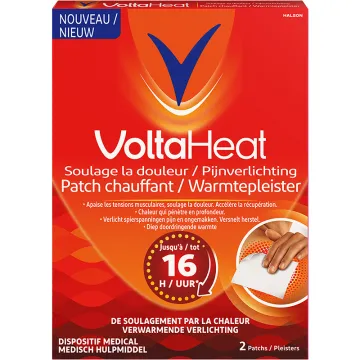
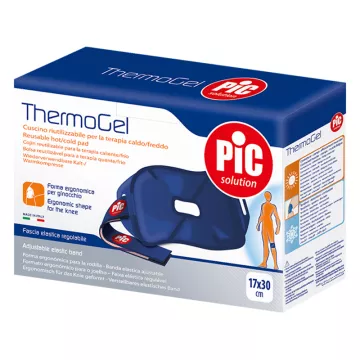
- Warm baths + Epsom salt: thermotherapy + transdermal absorption of magnesium — deep muscle relaxation — starting on days 2–3 after exercise — see our page on heating pads
- Sleep: 80% of growth hormone (GH) is secreted during deep sleep — GH stimulates muscle protein synthesis — 7–9 hours per night are essential for athletes — magnesium improves the quality of deep sleep
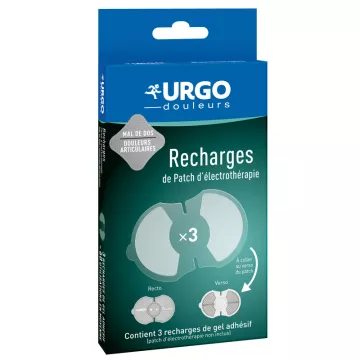
- Physical therapy: therapeutic ultrasound, electrical stimulation, manual mobilization — accelerate muscle blood flow and the clearance of exercise metabolites
- Persistent muscle pain lasting > 7–10 days without any justifying exertion or severe nighttime pain: medical evaluation (vitamin D, TSH, ferritin, CPK) — to rule out an underlying medical condition