0
Menu
Antarène GE Ibuprofen 200 mg, 30 tablets
Over-the-counter medication

Antarène GE Ibuprofen 200 mg, 30 tablets

product contains :

Antarène GE 200 mg is an anti-inflammatory and pain reliever containing ibuprofen. It is indicated for pain and fever and is suitable for children 6 years of age and older. Pack of 30 tablets.

€2.93 EXCL. VAT €2.99 INCL. VAT
In stock Shipped within 24h Secure payment
Reference : 3400933665814
You must be logged in to add this product to a list. Customer login
See delivery conditions

Our doctors of pharmacy advise you

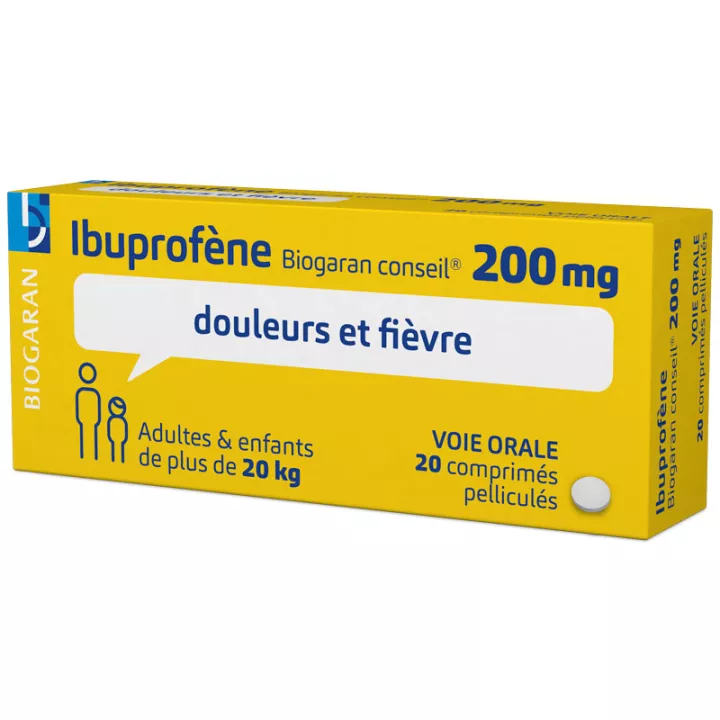
Biogaran Ibuprofen 200 mg Biogaran Ibuprofen 200 mg
Tablets sachets
€5.49
Add to cart
Shipped within 24h
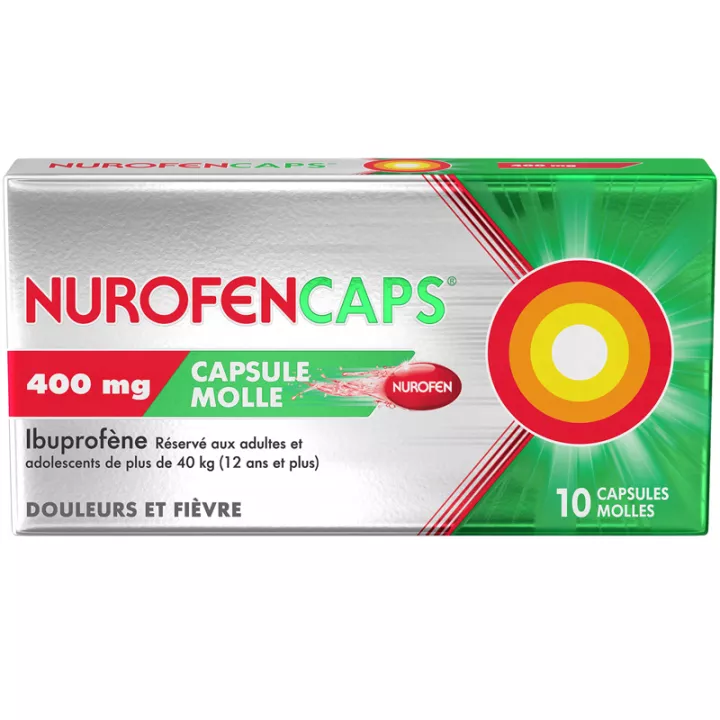
NurofenCaps Pain and Fever 400 mg, 10 capsules NurofenCaps Pain and Fever 400 mg, 10 capsules
€5.95
Add to cart
Shipped within 24h
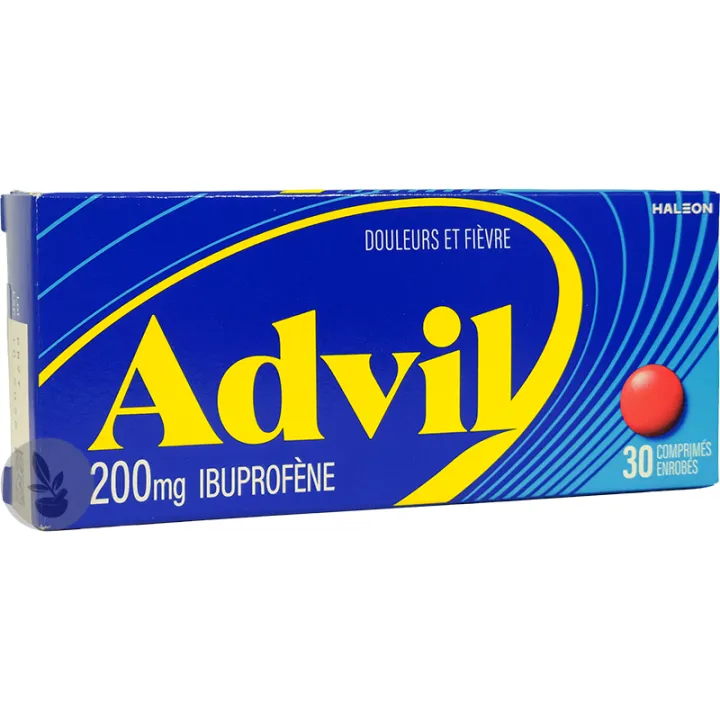
Advil 200 mg, 30 tablets Advil 200 mg, 30 tablets
30 tablets
€4.59
Add to cart
Shipped within 24h
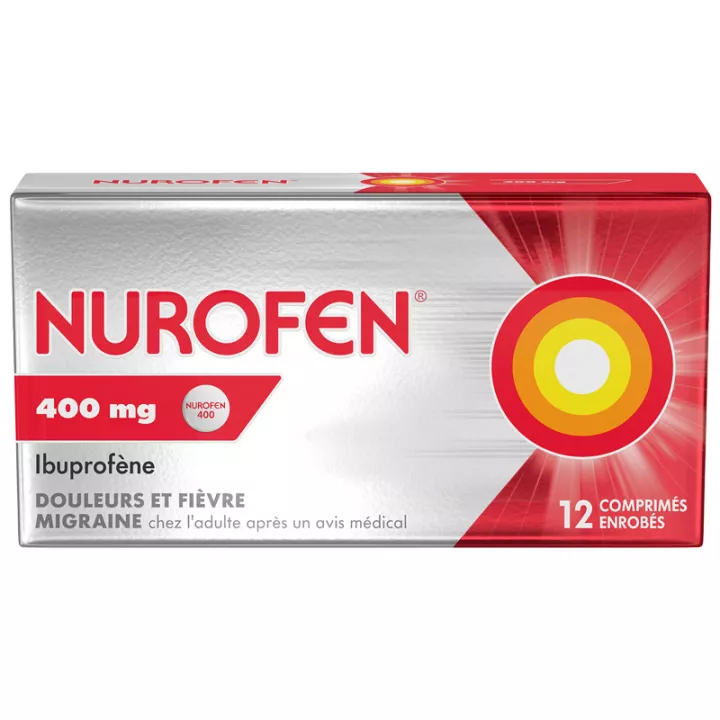
Nurofen for Pain and Fever 400 mg, 12 tablets Nurofen for Pain and Fever 400 mg, 12 tablets
€5.35
Add to cart
Shipped within 24h
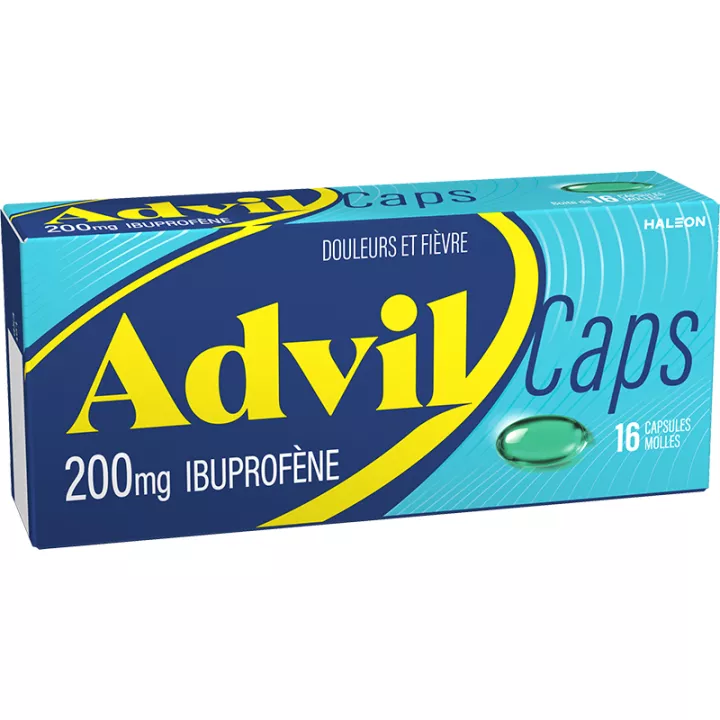
AdvilCaps 200 mg, 16 fast-acting capsules AdvilCaps 200 mg, 16 fast-acting capsules
€3.99
Add to cart
Shipped within 24h
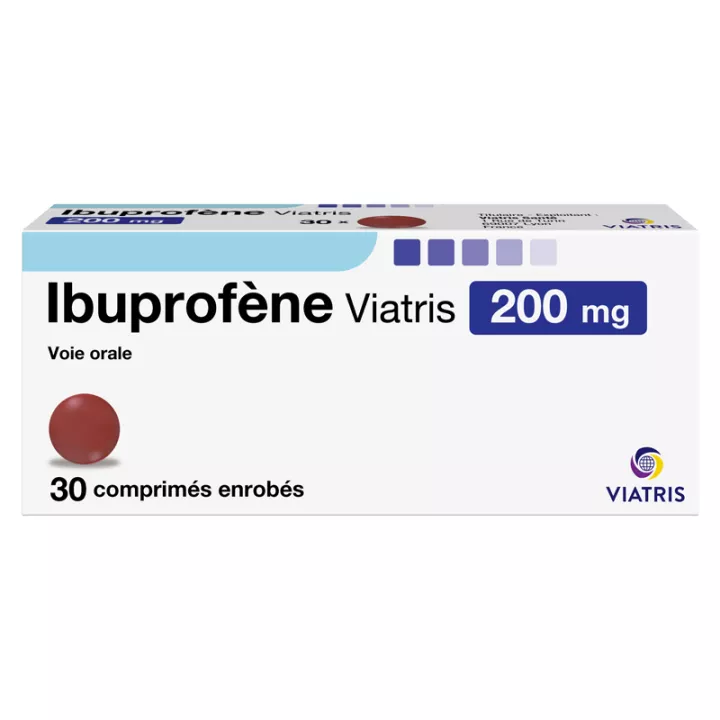
Ibuprofen 200 mg Viatris Mylan 30 tablets Ibuprofen 200 mg Viatris Mylan 30 tablets
€2.92
Add to cart
Shipped within 24h
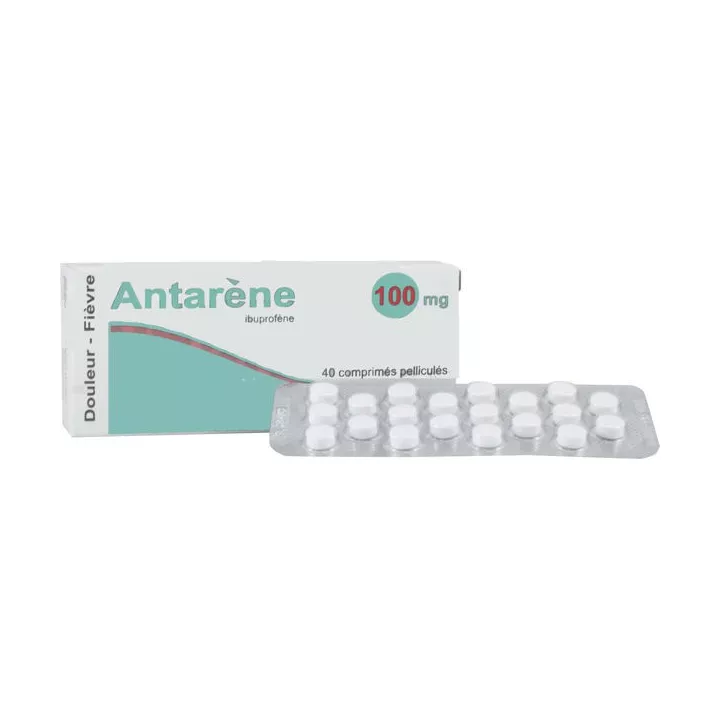
Antarene 100 mg Ibuprofen for Children, 40 tablets Antarene 100 mg Ibuprofen for Children, 40 tablets
€3.31
Add to cart
Shipped within 24h

What is ANTARENE GE Ibuprofen 200 mg, film-coated tablet, used for?

When acute pain or a persistent fever disrupts your daily life, ANTARENE GE ibuprofen 200 mg offers a fast and effective solution. It belongs to the class of nonsteroidal anti-inflammatory drugs (NSAIDs) and is intended for both adults and children weighing 20 kg or more (approximately 6 years of age). By acting on inflammatory mechanisms, it provides fast, targeted relief in a variety of situations: headaches, flu-like symptoms, toothaches, muscle aches, and painful periods. The active ingredient, ibuprofen, directly affects the synthesis of prostaglandins, substances responsible for inflammation and pain. The result? Pain-relieving, fever-reducing, and anti-inflammatory effects that work together to restore comfort and mobility. ANTARENE GE 200 mg, with its moderate dosage, is perfectly suited for occasional and effective use, while minimizing side effects when taken as directed.

In cases of fever, this ibuprofen rapidly reduces body temperature, helping the body better fight off the infection. The effects are generally noticeable within an hour of taking it, providing you with welcome relief from feverish episodes. It’s also a valuable ally for muscle or joint pain: whether it’s post-workout soreness or occasional back pain, it helps restore range of motion without discomfort or stiffness.

For more specific types of pain, such as painful periods, ANTARENE GE 200 mg is equally effective. Its targeted action relieves uterine cramps and eases feelings of heaviness. It thus helps you regain comfort in your daily life and stay active even during these uncomfortable times. Its good tolerability makes it a trusted choice for women seeking rapid relief without resorting to stronger treatments. This medication is also indicated for oral and dental pain, whether it’s a toothache, sore gums, or post-extraction inflammation. By reducing local inflammation, it addresses both the cause and the pain itself. It is a first-choice alternative when you cannot see a dentist right away.

In summary, ANTARENE GE Ibuprofen 200 mg is a versatile, effective, and fast-acting medication for fever and pain of various origins. Its safe pharmacological profile, appropriate dosage, and convenient tablet form make it a reliable addition to your medicine cabinet for minor everyday ailments. It provides effective relief from mild to moderate pain while helping the body restore its natural thermal balance.

Alternatively, you can also choose Antarene 100 mg Ibuprofen for Children (40 tablets), which is perfectly suited for young children.

How to use this product?

Directions for Use

ANTARENE GE 200 mg ibuprofen is taken orally with a full glass of water, preferably with a meal to minimize stomach irritation. The tablet is film-coated; therefore, do not chew it—swallow it whole.

The dosage depends on weight and age:

  • Children weighing 20 to 30 kg (ages 6 to 11): 1 tablet (200 mg), repeat as needed every 6 hours. Do not exceed 3 tablets per day (600 mg).
  • Adults and children weighing more than 30 kg: 1 to 2 tablets per dose, repeatable every 6 hours if needed, not to exceed 6 tablets per day (1,200 mg).
  • Elderly patients: Use the lowest effective dose for the shortest possible duration due to the increased risk of side effects.

In cases of fever, treatment should be limited to 3 days. For pain, do not exceed 5 days. If there is no improvement or if symptoms worsen, consult a doctor.

Share your feedback on the usage instructions and dosage of ANTARENE GE ibuprofen 200 mg with our partner “Verified Reviews” after your purchase.

Precautions

Ibuprofen may cause side effects, particularly gastrointestinal or cardiovascular, especially at high doses. It is contraindicated:

  • from the 6th month of pregnancy onward,
  • if you have a history of ulcers or gastrointestinal bleeding,
  • if you are allergic to NSAIDs or ibuprofen,
  • in cases of severe liver, kidney, or heart disease.

You should also be cautious if you have:

  • asthma associated with chronic rhinitis or nasal polyps,
  • treatment with anticoagulants or corticosteroids,
  • a bacterial infection masked by the antipyretic effects.

Caution is also advised in cases of chickenpox, systemic lupus erythematosus, or if you are planning a pregnancy, as this medication may temporarily affect female fertility. Never use this medication in combination with other NSAIDs or aspirin without consulting a doctor.

What are its ingredients?

Ibuprofen, Corn Starch, Anhydrous Colloidal Silica, Pregelatinized Corn Starch, Stearic Acid, White Opadry, Titanium Dioxide, Hypromellose, Carnauba Wax

Presentation

ANTARENE GE ibuprofen 200 mg comes in film-coated tablets, packaged in a box of 30. Its format is convenient for short-term treatments or as a backup in your home medicine cabinet.

Our Expert Advice 

It is essential to remember that ibuprofen, although very effective, should be part of a comprehensive approach to managing pain or inflammation.

To limit prolonged use, it may be advisable to combine it with recognized natural remedies as a supplement, within a strict framework. For mild joint or muscle pain, extracts of turmeric (Curcuma longa) or boswellia (Boswellia serrata)—which have proven anti-inflammatory properties—can be taken as dietary supplements. Herbal medicine may also prove useful, particularly with the use of meadowsweet (Filipendula ulmaria), traditionally used for its natural analgesic effects, while avoiding its direct combination with ibuprofen due to the risk of cumulative effects. On an emotional level, the use of Bach Flower Remedies, such as Rescue Remedy, can help alleviate the stress associated with chronic pain. Finally, as part of a holistic approach, dietary rebalancing based on nutritional therapy (rich in omega-3, magnesium, and antioxidants) helps modulate underlying inflammation. However, these approaches are not a substitute for medical advice, and any combination with an anti-inflammatory such as ibuprofen must be evaluated on an individual basis by a pharmacist.


Pharmacovigilance Report an adverse drug reaction(s)

Download PDF leaflet

NOTICE

ANSM - Last updated: 12/04/2011

Name of the medicinal product

ANTARENE 200 mg film-coated tablet

Ibuprofen

framed

Read this leaflet carefully before you start using this medicine. It contains important information for your treatment.

· This medication can be used in self-medication, ie used without consultation or prescription from a doctor.

· If symptoms persist, worsen or new symptoms appear, seek advice from your pharmacist or doctor.

· This leaflet is designed to help you use this medicine. Keep it, you may need to reread it.

DO NOT LEAVE THIS MEDICINE FOR CHILDREN.

Review summary

In this notice :

1. WHAT IS ANTARENE 200 mg film-coated tablet AND WHAT IT IS USED FOR?

2. BEFORE YOU TAKE ANTARENE 200 mg film-coated tablet?

3. HOW TO TAKE ANTARENE 200 mg film-coated tablet?

4. WHAT ARE POSSIBLE SIDE EFFECTS?

5. HOW TO STORE ANTARENE 200 mg film-coated tablet?

6. ADDITIONAL INFORMATION

1. WHAT IS ANTARENE 200 mg film-coated tablet AND WHAT IT IS USED FOR?

Pharmacotherapeutic group

OTHER ANALGESICS AND ANTIPYRETICS.

Therapeutic indications

This medicine contains a non-steroidal anti-inflammatory drug: ibuprofen. In adults and children over 20 kg (about 6 years), it is indicated in the short-term treatment of fever and / or pain such as headache, flu-like conditions, dental pain, aches and pains.

2. BEFORE YOU TAKE ANTARENE 200 mg film-coated tablet?

List of information needed before taking the medication

Not applicable.

Cons-indications

Do not take ANTARENE 200 mg film-coated tablets in the following cases:

· after 5 months of pregnancy (24 weeks of amenorrhea),

· a history of allergy or asthma triggered by the use of this drug or a related drug, including other non-steroidal anti-inflammatory drugs, acetylsalicylic acid (aspirin),

· antecedent allergy to the other constituents of the tablet,

· history of gastrointestinal bleeding or ulcers associated with previous NSAID treatments,

· ulceration or bleeding of the stomach or intestine in progress or recurrence,

· gastrointestinal haemorrhage, cerebral hemorrhage or other ongoing hemorrhage,

· severe liver disease,

· severe kidney disease,

· serious heart disease,

· systemic lupus erythematosus,

· child under 6 years old because it can swallow and choke.

IN CASE OF DOUBT, IT IS ESSENTIAL TO ASK FOR THE OPINION OF YOUR DOCTOR OR YOUR PHARMACIST.

Precautions for use; special warnings

Take special care with ANTARENE 200 mg film-coated tablets:

In high doses, greater than 1200 mg / day, this drug has anti-inflammatory properties and can cause serious disadvantages that are observed with non-steroidal anti-inflammatory drugs.

Drugs such as eryarena 200 mg film-coated tablets may increase the risk of heart attack ("myocardial infarction") or stroke. The higher the doses prolonged treatment.

Do not exceed recommended dosage or treatment time.

If you have heart problems, have had a stroke, or if you think you have risk factors for this type of illness (eg high blood pressure, diabetes, high cholesterol, or please contact your doctor or pharmacist.

Special warnings

If you are a woman, ANTARENE 200 mg film-coated tablet can alter your fertility. Its use is not recommended in women who wish to conceive a child. In women with reproductive difficulties or in whom breast function tests are ongoing, please talk to your doctor or pharmacist before taking ANTARENE 200 mg film-coated tablets.

Elderly patients have a higher risk of adverse effects, particularly for gastrointestinal haemorrhage, ulcers and perforations. Renal, hepatic and cardiac functions should be closely monitored. The dosage should be as low as possible for the shortest time needed to relieve symptoms.

BEFORE YOU USE THIS MEDICINE, CONSULT YOUR DOCTOR IN CASE:

· a history of asthma associated with chronic rhinitis, chronic sinusitis or polyps in the nose. Administration of this specialty may lead to an asthma attack, especially in patients who are allergic to acetylsalicylic acid (aspirin) or to a non-steroidal anti-inflammatory drug ( see section "Do not take ANTARENE 200 mg film-coated tablets following cases " ),

· coagulation disorders, and anticoagulant therapy. This medication may cause severe gastrointestinal symptoms,

· digestive antecedents (hiatal hernia, digestive hemorrhage, old stomach or duodenal ulcer),

· heart disease, liver or kidney disease,

· of varicella. This medication is not recommended because of exceptional severe infections of the skin,

· concomitant treatment with other drugs that increase the risk of peptic ulcer or haemorrhage, eg, oral corticosteroids, antidepressants (SSRIs, ie, Selective Serotonin Recapture Inhibitors), medicines preventing the formation of blood clots such as aspirin or anticoagulants such as warfarin. If you are in any of these conditions, talk to your doctor before taking ANTARENE 200 mg film-coated tablets ( see section "Take or use other medicines" ),

· concomitant therapy with methotrexate at doses greater than 20 mg per week or with pemetrexed ( see section "Take or use other medicinal products" ).

DURING TREATMENT, IN CASE OF:

· of vision problems, PREVENT YOUR DOCTOR,

· gastrointestinal haemorrhage (discharge from the mouth or stool, stool coloration in black), STOP TREATMENT AND IMMEDIATELY CONTACT AN EMERGENCY MEDICAL OR MEDICAL SERVICE,

· of appearances of cutaneous or mucosal signs that resemble a burn (redness with bubbles or blisters, ulcerations), STOP THE TREATMENT AND CONTACT IMMEDIATELY A DOCTOR OR AN EMERGENCY MEDICAL SERVICE,

· of allergy-related signs including asthma attack or sudden swelling of the face and neck ( see section "What are the possible side effects?" ), STOP TREATMENT AND CONTACT IMMEDIATELY A DOCTOR OR A MEDICAL SERVICE EMERGENCY.

This medicine contains a non-steroidal anti-inflammatory drug: ibuprofen.

You should not take other medicines containing non-steroidal anti-inflammatory drugs (including selective cyclooxygenase 2 inhibitors) and / or acetylsalicylic acid (aspirin) at the same time as this medication. Read carefully the instructions for other medicines you are taking to ensure that there are no nonsteroidal anti-inflammatory drugs and / or acetylsalicylic acid (aspirin).

Interaction with other medicines

Taking or using other medicines:

PLEASE INDICATE YOUR DOCTOR OR YOUR PHARMACIST IF YOU TAKE OR RECENTLY TAKE ANY OTHER MEDICINE, EVEN IF ANY MEDICINE IS OBTAINED WITHOUT ORDER.

CERTAIN MEDICINAL PRODUCTS MAY NOT BE USED AT THE SAME TIME, WHILE OTHER MEDICINES REQUIRE SPECIFIC CHANGES (DOSE, FOR EXAMPLE).

Always inform your doctor, dentist or pharmacist if you are taking any of the following medicines in addition to ANTARENE 200 mg film-coated tablet:

· aspirin (acetylsalicylic acid) or other non-steroidal anti-inflammatory drugs

· corticosteroids

· oral anticoagulants such as warfarin, injectable heparin, antiplatelet agents or other thrombolytics such as ticlopidine

· lithium

· methotrexate

· angiotensin converting enzyme inhibitors, diuretics, beta-blockers and angiotensin II antagonists

· some antidepressants (selective serotonin reuptake inhibitors)

· pemetrexed

· ciclosporin, tacrolimus.

Interactions with food and beverages

Not applicable.

Interactions with Herbal Medicines or Alternative Therapies

Not applicable.

Use during pregnancy and lactation

Pregnancy and breast feeding

ASK YOUR DOCTOR OR YOUR PHARMACIST BEFORE TAKING ALL MEDICINAL PRODUCTS.

Pregnancy

During the first trimester (12 weeks of gestation is 12 weeks after the 1st day of your last period), your doctor may, if necessary, to prescribe the drug.

For 2.5 to 5 months of pregnancy (12 to 24 weeks of amenorrhea), this medication will only be used on the advice of your doctor and in brief dosage. Prolonged use of this medication is strongly discouraged.

After 5 months of pregnancy (beyond 24 weeks of amenorrhea), you should NOT take this medication because its effects on your child can have serious consequences, especially on a cardiopulmonary level and renal, even with a single dose.

If you are taking this medication when you are more than five months pregnant, please speak to your obstetrician gynecologist for appropriate monitoring.

feeding

This drug passes into breast milk. As a precaution, it should be avoided during breastfeeding.

Sport

Not applicable.

Effects on ability to drive or use machines

Driving and using machines

In rare cases, taking this medicine may cause dizziness and blurred vision.

List of excipients with known effect

Not applicable.

3. HOW TO TAKE ANTARENE 200 mg film-coated tablet?

Instructions for proper use

The occurrence of adverse reactions can be minimized by using the lowest possible dose for the shortest duration necessary to alleviate the symptoms.

Dosage, Mode and / or route (s) of administration, Frequency of administration and Duration of treatment

Dosage

ADULT TO ADULT AND CHILD FROM 20 KG (approx. 6 years).

Painful and / or febrile conditions

In children, the usual dosage is 20 to 30 mg / kg / day in 3 doses per day (not to exceed 30 mg / kg / day).

In children from 20 to 30 kg (approximately 6 to 11 years): 1 tablet (200 mg), to be renewed if necessary after 6 hours. In all cases, do not exceed 3 tablets per day (600 mg).

In adults and children over 30 kg (approximately 11-12 years): 1 to 2 tablets (200 mg to 400 mg), to be renewed if necessary after 6 hours. In all cases, do not exceed 6 tablets per day (1200 mg).

The elderly with an increased risk of adverse effects should use the lowest dose possible for the shortest time necessary to relieve symptoms.

Do not exceed the recommended doses or the duration of treatment (3 days in case of fever, 5 days in case of pain).

The maximum dosage is 6 tablets per day (1200 mg).

Method and route of administration

Oral use.

Swallow the tablet without chewing it with a large glass of water.

The tablets should be taken preferably during a meal.

Frequency of Administration

Systematic catches help to avoid oscillations of pain or fever.

They should be spaced at least 6 hours.

Duration of treatment

The duration of use is limited to:

· 3 days in case of fever,

· 5 days in case of pain.

If the pain persists more than 5 days or the fever more than 3 days, or if they worsen or in the event of another disorder, inform your doctor.

If you feel that the effect of ANTARENE 200 mg film-coated tablets is too strong or too weak, talk to your doctor or pharmacist.

Symptoms and Instructions for Overdose

If you take more ANTARENE 200 mg film-coated tablets than you should:

In case of accidental overdose or poisoning, STOP TREATMENT AND QUICKLY CONSULT A DOCTOR.

Instructions for omission of one or more doses

If you forget to take ANTARENE 200 mg film-coated tablets: do not take a double dose to make up for the single dose you have forgotten to take.

Risk of withdrawal syndrome

Not applicable.

4. WHAT ARE POSSIBLE SIDE EFFECTS?

Description of adverse reactions

Like all medicines, ANTARENE 200 mg film-coated tablets are likely to have side effects, although not everybody gets them.

Medications such as eryarna 200 mg film-coated tablet may increase the risk of heart attack (myocardial infarction) or stroke.

May cause allergic reactions:

· rash: rash on the skin, itching, edema, aggravation of chronic urticaria,

· respiratory, asthma crisis,

· generalized: abrupt swelling of the face and neck with respiratory discomfort (angioedema).

In rare cases, gastrointestinal hemorrhage may occur ( see section "Take special precautions with ANTARENE 200 mg film-coated tablet" ). This is all the more frequent when the dosage used is high.

Exceptionally, there may be headaches accompanied by nausea, vomiting and neck stiffness.

Very rarely, bullous manifestations of the skin or mucous membranes (burning sensation accompanied by redness with bubbles, blisters, ulcerations) may occur.

Exceptionally, severe skin infections have been observed in cases of chicken pox.

In all these cases, you should stop treatment immediately and notify your doctor.

During treatment, there may be:

· digestive disorders: stomach upset, vomiting, nausea, diarrhea, constipation,

· dizziness, headache, rare visual disturbances, significant decrease in urine, renal insufficiency.

In all these cases, you should tell your doctor.

Exceptionally, there have been changes in liver function or blood counts (decreased white blood cells or red blood cells) that may be severe.

If you notice any side effects not listed in this leaflet, or if certain side effects become serious, please tell your doctor or pharmacist.

5. HOW TO STORE ANTARENE 200 mg film-coated tablet?

Keep out of the reach and sight of children.

Expiration date

Do not use ANTARENE 200 mg film-coated tablets after the expiry date which is stated on the carton.

Storage conditions

No special storage conditions.

If necessary, warnings against visible signs of deterioration

Medicines should not be disposed of via wastewater or household waste. Ask your pharmacist what to do with unused medications. These measures will help protect the environment.

6. ADDITIONAL INFORMATION

Full list of active substances and excipients

What does ANTARENE 200 mg contain in a film-coated tablet?

The active substance is:

Ibuprofen ................................................. .................................................. ..................................... 200 mg

For a film-coated tablet.

The other components are:

Corn starch, anhydrous colloidal silica, pregelatinized corn starch, stearic acid, white opadry (titanium dioxide, hypromellose), carnauba wax.

Pharmaceutical form and content

What is ANTARENE 200 mg film-coated tablets and contents of the pack?

This drug is in the form of film-coated tablet. Box of 30.

Name and address of the marketing authorization holder and the holder of the manufacturing authorization responsible for the release of the lots, if different

Holder

LABORATORY OF ELERT THERAPEUTIC ACHIEVEMENTS

181 - 183, ANDRE KARMAN STREET

BP 101

93303 AUBERVILLIERS CEDEX

exploiting

ELERT LABORATORIES

181 - 183, ANDRE KARMAN STREET

93303 AUBERVILLIERS

Maker

ELERT LABORATORIES

181 - 183, ANDRE KARMAN STREET

93303 AUBERVILLIERS

Names of the medicinal product in the Member States of the European Economic Area

Not applicable.

Date of approval of the notice

The last date on which this leaflet was approved is {date}.

AMM under exceptional circumstances

Not applicable.

Internet Information

Detailed information on this medicine is available on the Afssaps website (France).

Information for health professionals only

Not applicable.

Other

ADVICE / HEALTH EDUCATION

"WHAT TO DO IN THE EVENT OF FEVER":

The normal temperature of the body is variable from one individual to another and between 36.5 ° C and 37.5 ° C. An increase of more than 0.8 ° C is considered a fever.

In adults and children over 20 kg (approx. 6 years): If the disorder is too troublesome, you can take a medication containing ibuprofen at the indicated dosage.

With this medication, the fever should drop rapidly. However:

· if other signs appear (such as a rash),

· if the fever persists for more than 3 days or if it worsens,

· if the headache becomes violent, or in case of vomiting,

CONSULT YOUR DOCTOR IMMEDIATELY.

"WHAT TO DO IN CASE OF PAIN":

· In the absence of improvement after 5 days of treatment,

· If the pain returns regularly,

· If accompanied by fever,

· If she wakes you up at night,

CONSULT YOUR DOCTOR IMMEDIATELY .

VIDAL OF THE FAMILY

ANTARENE 200 mg

Non-steroidal anti-inflammatory drug

ibuprofen

This medication is a generic of NUREFLEX 200 mg (no longer being marketed).

. Presentations . Composition . Indications . Contraindications . Warning . Drug Interactions . Pregnancy and breastfeeding . Directions for use and dosage . Advice . Undesirable effects . Lexicon

PRESENTATIONS (summary)

ANTARENE Ge 200 mg: tablet (white); box of 30.
Refunded at 65%. - price: 1,25 euro (s).

Elerté Laboratory

COMPOSITION (summary)
p cp
Ibuprofen 200 mg
Lactose +

INDICATIONS (summary)
This drug is a non- steroidal anti-inflammatory drug ( NSAID ). It combats pain and lowers the fever. Its anti-inflammatory properties manifest in high doses.
It is used in the short-term treatment of fever and pain (headaches, dental pain, flu-like conditions, muscle aches, painful periods ...).
CONTRAINDICATIONS (summary)
This medication should not be used in the following cases:
WARNING (Contents)
Prolonged treatment or overdosage of NSAIDs may result in serious adverse reactions.
Certain situations must lead to continuation of treatment only after a medical opinion:
  • severe heartburn or black and foul-smelling stools that may indicate irritation or bleeding of the digestive tract;
  • rash without obvious cause;
  • asthma attack ;
  • unusual and intense fatigue, or a sharp and significant decrease in the volume of urine in a person suffering from heart failure , dehydration or diuretic treatment.
Precautions are necessary in the elderly or in case of a history of stomach or duodenal ulcer or haemorrhagic risk, especially digestive ( Crohn 's disease , ulcerative colitis ).
The use of NSAIDs is not recommended in children with varicella: it may increase the risk of infectious, exceptional but potentially serious complications.
NSAIDs have an inhibitory effect on ovulation and are likely to decrease fertility in women. This effect is reversible upon discontinuation of treatment.
Some doctors consider that anti-inflammatories can decrease the effectiveness of intrauterine devices (IUDs) and expose them to an unwanted pregnancy risk. This risk is highly controversial.
Conductor: This medication may be responsible, in rare cases, for dizziness or disturbances of vision.
DRUG INTERACTIONS (summary)
This medication may interact with other medicines, including: Inform your doctor or pharmacist if you are taking a diuretic , an ACE inhibitor , an angiotensin II inhibitor , a beta-blocker, or a medicine containing ciclosporin.
PREGNANCY AND BREAST-FEEDING (summary)
Pregnancy :
Adverse effects to the unborn child have been demonstrated when NSAIDs are used during the last 4 months of pregnancy; the risk exists even with a single intake and even if the pregnancy is over term. The use of this medication is contraindicated during this period.
During the first 5 months, the effect of this medication is poorly understood: only your doctor can evaluate the possible risk of its use in your case.

Breastfeeding:
Ibuprofen is low in breast milk: however, as a precaution, it is not recommended during breast-feeding.
DIRECTIONS FOR USE AND DOSAGE (summary)
In order to limit the occurrence of digestive disorders , this medication can be taken during meals. However, in the case of acute pain, the fasting catch ensures a faster effect.
The tablets are not suitable for children under 6 years of age. They may clog the airways if the child swallows and the tablet passes into the trachea (false route).

Usual dosage:

  • Adult and child over 30 kg (about 11 years of age): 1 or 2 tablets, to be renewed if necessary every 6 hours. Do not exceed 6 tablets per day.
  • Child 20 to 30 kg (approximately 6 to 11 years): 1 tablet, to be renewed if necessary every 6 hours. Do not exceed 3 tablets per day.
In the absence of medical advice, the duration of treatment should be limited to 5 days in case of pain and 3 days in case of fever.
TIPS (summary)
Do not exceed the recommended dosage or duration of treatment recommended by your doctor or pharmacist to limit side effects.
POSSIBLE ADVERSE EFFECTS (summary)
Nausea, vomiting, gastritis .
Rarely:

GLOSSARY (summary)


NSAIDs
Abbreviation for non-steroidal anti-inflammatory drug. Family of anti-inflammatory drugs that are not derived from cortisone (steroids), and the best known of which is aspirin.


allergy
Skin reaction (itching, pimples, swelling) or general discomfort occurring after contact with a particular substance, use of a medication or ingestion of food. The main forms of allergy are eczema, urticaria, asthma, angioedema and allergic shock (anaphylactic shock). Food allergy can also result in digestive disorders.


anemia
Reduction in the level of hemoglobin in the blood, which usually results in a decrease in the number of red blood cells. Iron is essential for the synthesis of hemoglobin. Iron deficiency during pregnancy, a vegetarian diet, abundant or repeated haemorrhage (menstruation) is a common cause of anemia. Other causes, more rare, are related to vitamin deficiencies of group B.


antecedent
Affection healed or always in evolution. The antecedent may be personal or family. The background is the history of a person's health.


antiplatelet agents
Medication that prevents the platelets from clumping and therefore the clots from forming. The oldest platelet antiaggregant is aspirin taken in small doses.
Anti-aggregants should not be confused with anticoagulants with a different mechanism of action.


anti coagulants
Medication that prevents blood from coagulating and therefore prevents clots from forming in the blood vessels.
Anticoagulants are used to treat or prevent phlebitis, pulmonary embolism, certain infarcts. They also prevent the formation of clots in the heart during rhythm disorders such as atrial fibrillation or in the case of an artificial heart valve.
There are two main types of anticoagulants:
  • oral anticoagulants, which block the action of vitamin K (antivitamin K, or AVK) and whose effectiveness is controlled by a blood test: INR (formerly TP);
  • injectable anticoagulants derived from heparin, the efficacy of which can be controlled by the blood assay of anti-Xa activity, Howell's Time (TH) or Cephalin Kaolin Time (TCK) depending on the products used. A regular dosage of blood platelets is necessary throughout the life of a heparin derivative.


anti-inflammatory
Medicine that fights against inflammation. It can be either derived from cortisone (steroidal anti-inflammatory), or not derived from cortisone (nonsteroidal anti-inflammatory or NSAID).


asthma
Disease characterized by difficulty breathing, often resulting in wheezing. Asthma, permanent or occurring by crisis, is due to a narrowing and inflammation of the bronchi.


beta blockers
Family of drugs used primarily in cardiology. They block the action of adrenaline (and other related hormones) on the heart, vessels and bronchi.


Crohn
inflammation of the intestine, which can cause ulcers and narrowing. It often becomes chronic and can be accompanied by persistent diarrhea and malnutrition.


diuretic
Medication allowing increased kidney water removal. Most often, this loss of water follows the loss of salts caused by the drug (salidiuretic).
Diuretics are mainly used in the treatment of high blood pressure, while their mechanism of action in this disease is poorly understood. They are also prescribed in acute or chronic heart failure, edema and other rarer ailments.
These drugs cause loss of sodium and potassium (except for some of them called "potassium-sparing"). Their prolonged administration therefore requires regular blood potassium control, to avoid heart problems that may result from hypokalemia (lack of potassium in the blood). Lack of sodium is another possible but less frequent consequence of the prolonged use of diuretics; it is also detected by a blood test.


duodenum
A part of the intestine into which food from the stomach penetrates.


skin rash
Appearance of pimples or plaques on the skin. These lesions can be due to a food, a drug, and translate an allergy or a toxic effect. Many viruses can also cause pimple eruptions: rubella, roseola and measles are the most common.


gastritis
Inflammation of the stomach favored by stress, tobacco, alcohol and certain drugs such as aspirin or anti-inflammatory drugs.


hemorrhage
Loss of blood from an artery or vein. Hemorrhage can be external, but also internal and go unnoticed.


angiotensin II inhibitor
These drugs are sometimes called sartans, for the names of the molecules belonging to this family end with sartan (losartan, candesartan, etc.).
This family of drugs blocks the action of angiotensin II, a substance that increases blood pressure and tires the heart.
Angiotensin II inhibitors are used to treat high blood pressure.


ACE inhibitor
This family of drugs blocks the action of an enzyme, which converts angiotensin I (naturally inactive substance) to angiotensin II. This last substance increases blood pressure and fatigue the heart.
ACE inhibitors are used to treat high blood pressure, heart failure or myocardial infarction.


heart failure
Inability of the heart to fulfill its function as a pump. The main symptoms of heart failure are fatigue and shortness of breath during an effort.


Hepatic insufficiency
Inability of the liver to perform its function, which is essentially the elimination of some waste, but also the synthesis of many biological substances essential to the body: albumin, cholesterol and coagulation factors (vitamin K, etc.).


renal failure
Inability of the kidneys to eliminate waste or medicinal substances. Advanced renal insufficiency does not necessarily result in a decrease in the amount of urine excreted. Only a blood test and creatinine dosage may reveal this disease.


lupus erythematosus
Skin disease causing redness of the central part of the face. There are two main forms: discoid lupus (only cutaneous) and disseminated lupus (associated with lesions of the deep organs).


blood count
The count measures the number of red blood cells (red blood cells), white blood cells (leukocytes) and platelets in the blood. The blood formula specifies the percentage of different white blood cells: neutrophils, eosinophils, basophils, lymphocytes, monocytes.
Abbreviation: NFS.


edema
Accumulation of water or lymph causing localized swelling.


dosage
Quantity and distribution of the dose of a drug according to the age, weight and general condition of the patient.


allergic reaction
Reaction due to hypersensitivity of the organism to a drug. Allergic reactions can take a wide variety of aspects: urticaria, angioedema, eczema, eruption of pimples resembling measles, etc. Anaphylactic shock is a generalized allergic reaction that causes discomfort due to a sudden drop in blood pressure.


ulcerative colitis
Inflammatory disease of the rectum and colon, which evolves by flare-ups. Each flare is accompanied by fever, bloody stools.


overdose
Excessive intake of a drug may result in an increase in the intensity of adverse effects or even in the development of specific adverse effects.
This overdose may result from accidental or voluntary poisoning for suicide, so consult your local Poison Control Center (listed in the appendix to the book). However, in most cases, overdose is the result of an error in the understanding of the prescription, or the search for an increase in efficacy by exceeding the recommended dosage. Finally, untimely self-medication may lead to excessive absorption of the same substance contained in different drugs. Some drugs are particularly prone to this risk because they are (wrongly) considered to be harmless: vitamins A and D, aspirin, etc. Stopping or decreasing drug intake helps to remove the disorders associated with an overdose.


transaminases
Enzymes dosed in the blood, which rate rises during some hepatitis. They are included in blood tests as SGOT and SGPT or ASAT and ALAT.


digestive disorders
Set of symptoms indicating irritation or malfunction of the digestive tract. One or more disorders may be present: nausea, vomiting, aerophagia, abdominal pain, heartburn, bloating, flatulence, diarrhea or constipation, etc. Antibiotics can promote candidiasis, often responsible for digestive disorders.


ulcer
Injury of skin, mucous membranes or cornea.
  • Leg ulcer: chronic wound due to poor circulation of blood.
  • Gastroduodenal ulcer: a localized wound in the mucosa of the stomach or duodenum due to excess acidity and very often to the presence of a bacterium (Helicobacter pylori). The ulcer is favored by stress, alcohol, smoking and certain medications (aspirin, NSAIDs, etc.).


dizziness
Symptom that can mean an impression of loss of balance (common sense) or, more strictly, a sense of rotation on oneself or the environment (medical sense).

product contains :
RELATED SEARCHES WITH OVER-THE-COUNTER ANTI-INFLAMMATORY MEDICATIONS

Advice from our naturopaths

How can hydrotherapy help to improve health and relieve pain? How can hydrotherapy help to improve health and relieve pain?

Since ancient times, hydrotherapy has been recognised and appreciated for its health benefits, as well as its soothing and relaxing properties. In this article, we'll look at the different types of hydrotherapy and their benefits for the body. The different forms of hydrotherapy Depending on the water used, its shape and temperature, hydrotherapy can take a number of forms and…

Read the article on the blog
The role of food in the risk of drug interactions The role of food in the risk of drug interactions

A drug interaction occurs when one or more effects of a drug are modified by another product. This interaction can occur with a food (grapefruit juice, liquorice), a drink (coffee or alcohol), a dietary supplement (the case of St John's wort and turmeric) or smoking. In this article, we explore the different types of effects that these products can have…

Read the article on the blog
World Endometriosis Day World Endometriosis Day

28 March 2024 marks World Endometriosis Day, a misunderstood and often taboo disease. Millions of women and men around the world are coming together to raise awareness of this disease, which affects 10-20% of women of childbearing age. The aim of this day is to mobilise governments, doctors and specialists to do more to combat endometriosis. Join the movement to…

Read the article on the blog
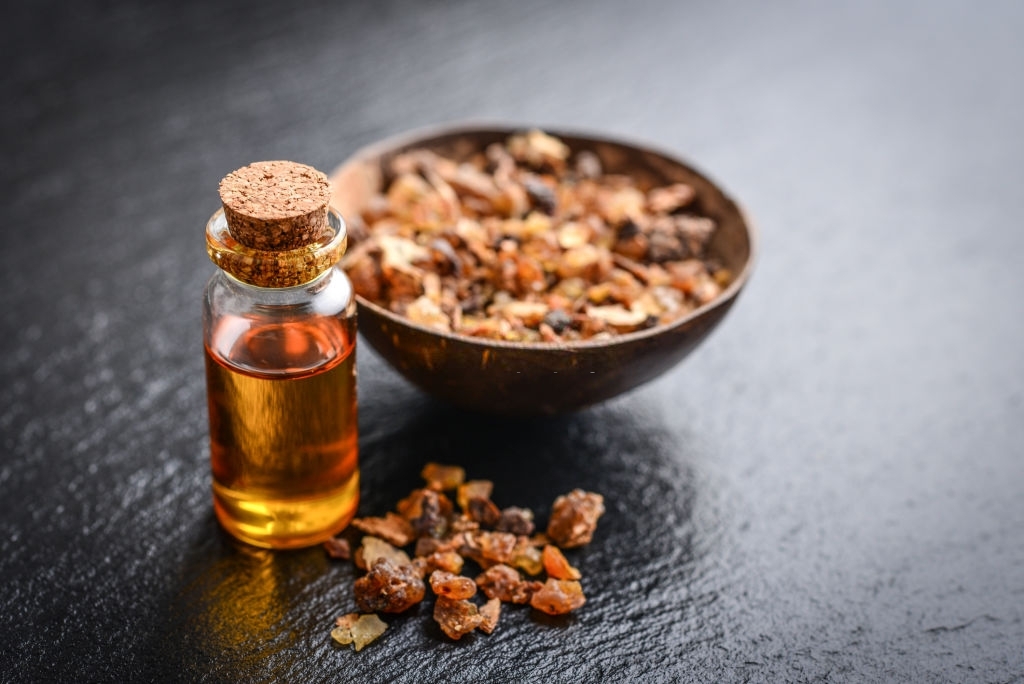
Bitter Myrrh essential oil, precious and symbolic tears Bitter Myrrh essential oil, precious and symbolic tears

Myrrh, an age-old plant treasure, continues to captivate the world with its unique properties and fascinating history. This article explores the many facets of this precious resin, from its botanical extraction to its ancient and modern uses. Extracted from the Commiphora myrrha tree, a member of the Burseraceae family, myrrh is obtained from the gum-resin that runs off its bark.…

Read the article on the blog
Feverfew, medicinal plant for women Feverfew, medicinal plant for women

In the past, feverfew was known as Chrysanthemum parthenium . If we have since kept its adjective, this chrysanthemum has disappeared in favor of a tanacetum which borders on tansy, while this previous substantive brought it closer to the vast tribe of "chrysanthemums" , a word forged thanks to two Greek roots: chrysos , "Gold" and anthemos , "flower". A little history Cazin , evoked a Matricaria parthenium , whose plate XXIV of the Reasoned Treaty immediately reassures…

Read the article on the blog
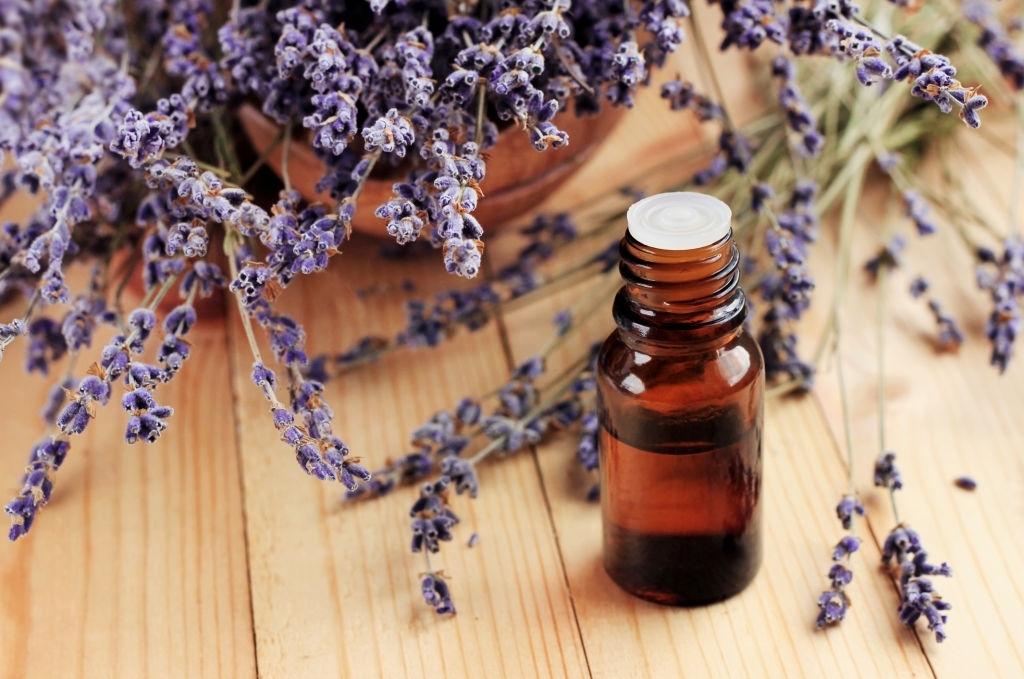
Lavender aspic essential oil, the antitoxic par excellence Lavender aspic essential oil, the antitoxic par excellence

Spike lavender, whose botanical name is Lavandula latifolia spica, belongs to the Lamiaceae family. Its essential oil is obtained by distilling its flowers (flowering tops). Botanical description Spike lavender is a larger sub-shrub than fine lavender, reaching up to 75 cm in height. It is made up of straight, numerous branches, usually branched, bearing long, spatulate, opposite, silvery-green leaves. Its…

Read the article on the blog
Chronic fatigue syndrome from a naturopathic point of view Chronic fatigue syndrome from a naturopathic point of view

Chronic fatigue syndrome or myalgic encephalomyelitis is classified as a rare disease and remains little known in France. The WHO has recognized this disease since 1993. The diagnosis requires a certain number of steps and meets strict criteria relating to the definition of chronic fatigue syndrome. How to detect chronic fatigue syndrome ? Myalgic encephalomyelitis is a chronic and complex…

Read the article on the blog
Natural Health Advice

Order a selection of products frequently purchased by our customers