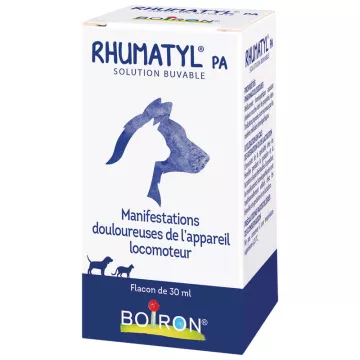
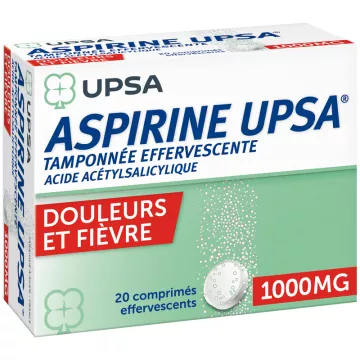
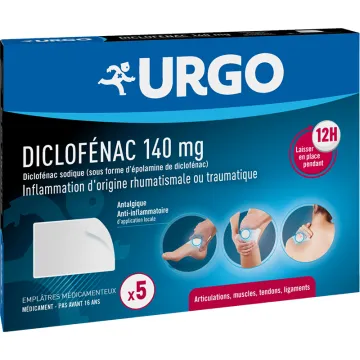
What Is Rheumatic Pain, and How Can You Tell It Apart?
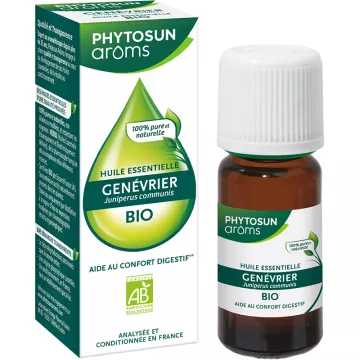
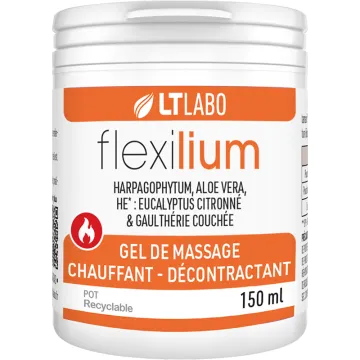
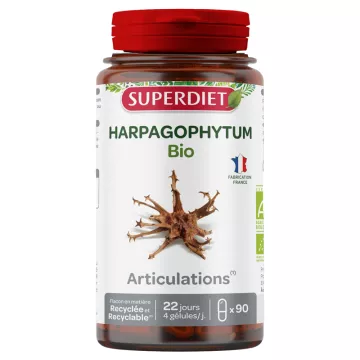
Rheumatic pain encompasses a wide range of musculoskeletal pain with very different causes—distinguishing between them is essential for choosing the right treatment. Our joint pain product line offers natural solutions tailored to each patient’s individual needs.
- Degenerative rheumatic conditions: osteoarthritis —cartilage wear—mechanical pain (exertion worsens it, rest relieves it), brief morning stiffness (< 30 min)
- Inflammatory rheumatic conditions: rheumatoid arthritis, ankylosing spondylitis, psoriatic arthritis—prolonged nighttime and morning pain (>30 min), bilateral involvement that is often symmetrical
- Microcrystalline rheumatic conditions: gout (urate), chondrocalcinosis (pyrophosphate)—intense acute, monoarticular attacks
- Extra-articular rheumatic conditions: tendinitis, bursitis, fibromyalgia — periarticular or diffuse pain without true joint damage
- A rheumatological workup including inflammatory markers (ESR, CRP), rheumatoid factor, and anti-CCP is essential to differentiate these conditions and guide treatment
What supplements and herbal remedies are available for rheumatic pain?
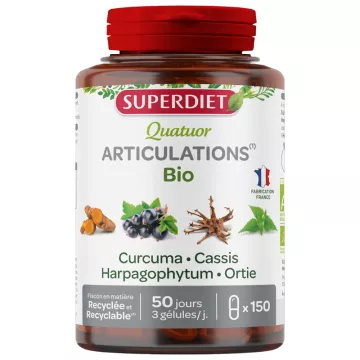
Several natural active ingredients have been the subject of clinical studies for rheumatic pain—their effectiveness depends on the type of rheumatism and the targeted mechanism. Find these formulas in our Joint Comfort line.
- Turmeric (curcumin): inhibits the COX-2 and NF-kB pathways—a versatile anti-inflammatory—effective for degenerative conditions and mild inflammation—formula with piperine or in liposomal form for enhanced bioavailability
- Boswellia (Boswellia serrata): specifically inhibits 5-lipoxygenase—complements turmeric through a different mechanism—positive clinical studies in osteoarthritis and inflammatory rheumatic conditions
- Ginger (Zingiber officinale): Inhibits both prostaglandins (COX) and leukotrienes (LOX)—natural synergy with turmeric—anti-nausea properties appreciated by patients taking NSAIDs
- Omega-3 (EPA/DHA): reduce the synthesis of pro-inflammatory mediators — documented benefits in rheumatoid arthritis (reduction in pain and morning stiffness)
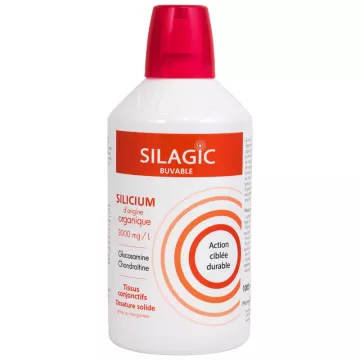
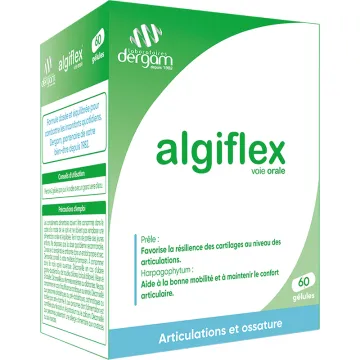
- Glucosamine + chondroitin: provide structural support for cartilage—more effective for degenerative forms (osteoarthritis) than for purely inflammatory forms
Diet and Lifestyle for Rheumatic Pain
Diet directly influences the level of systemic inflammation—an accessible strategy to complement any treatment for chronic pain.
- Mediterranean diet: fatty fish (omega-3), colorful vegetables (antioxidants), olive oil (anti-inflammatory hydroxytyrosol), berries (anthocyanins)—the best-documented dietary model for combating rheumatic inflammation
- Pro-inflammatory foods to limit: refined sugars, trans fats, ultra-processed foods, excessive alcohol—these increase inflammatory markers (CRP, IL-6) and worsen pain
- Weight management: Excess visceral fat is a major source of pro-inflammatory cytokines—every kilogram lost reduces the mechanical load on weight-bearing joints AND systemic inflammation
- Appropriate physical activity: swimming, cycling, Nordic walking, Pilates—maintain mobility and reduce inflammation—avoid high-impact activities during the acute inflammatory phase
- Sleep quality: anti-inflammatory cytokines are produced during deep sleep—a lack of sleep worsens rheumatic pain
When do rheumatic pains require specialized medical treatment?
Supplements and diet are effective supports for mild to moderate cases—severe inflammatory rheumatic conditions require long-term medication that natural active ingredients cannot replace.
- NSAIDs and corticosteroids: treatment for acute inflammatory flare-ups—effective but not curative; side effects to monitor (gastric, cardiovascular, and bone-related)
- Disease-modifying antirheumatic drugs (DMARDs): methotrexate, leflunomide—long-term treatment for rheumatoid arthritis—alter the course of the disease
- Targeted biologics: anti-TNF, anti-IL-6, anti-IL-17 — for severe inflammatory arthritis resistant to DMARDs — remarkable efficacy in slowing radiographic progression
- Persistent nighttime joint pain + morning stiffness lasting > 30 min + fatigue + bilateral joint swelling → see a rheumatologist immediately
- Our line of products for joint pain as a supplement to medical care—never as a substitute in progressive inflammatory conditions