Formica Rufa Boiron: A Homeopathic Remedy Derived from the Red Ant
Formica Rufa 4 CH, 5 CH, 7 CH, 9 CH, 15 CH, 30 CH, 8 DH, 10 DH, 15 DH—Boiron Homeopathic Granules
Registered Medication: EH00350
Origin: Animal
Formica Rufa is a homeopathic remedy derived from the red ant, used to treat various conditions, particularly in the fields of rheumatology and urology. This species of ant, found primarily in forests and coniferous woodlands, is known for its protective properties against insect pests that affect these trees.
Therapeutic Indications in Homeopathy
Homeopathic remedies can be used for a variety of symptoms; therefore, it is not possible to determine the specific indications and dosage for a particular preparation. The homeopathic physician selects the appropriate remedy, dilution, and dosage based on the patient’s health condition and characteristic symptoms.
Main Indications in Rheumatology
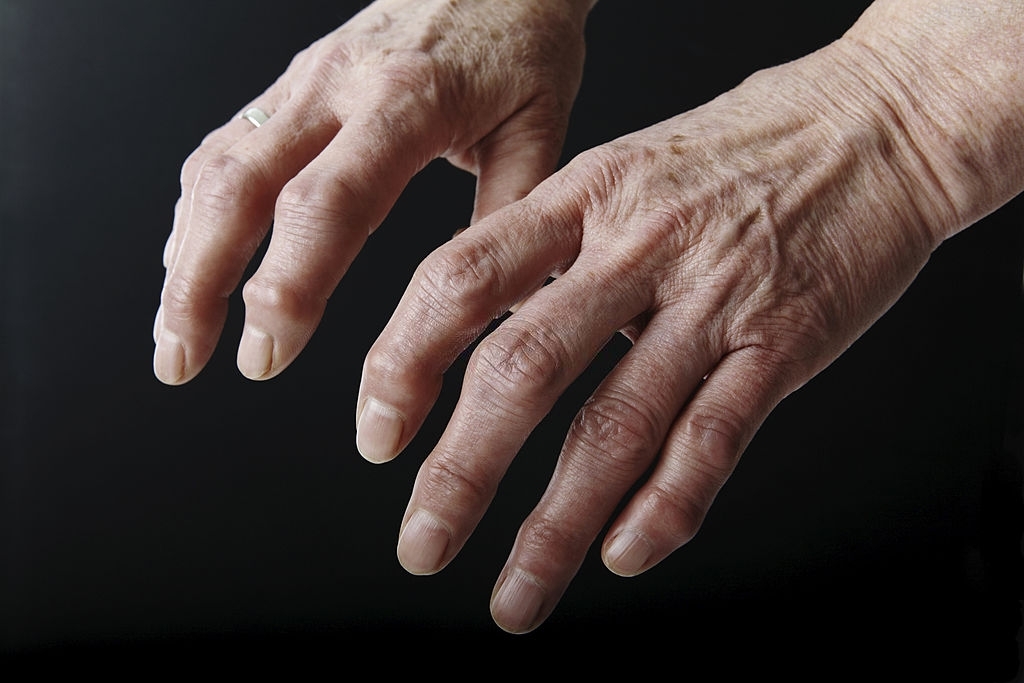
In rheumatology, Formica Rufa is particularly indicated for rheumatic attacks accompanied by pain or spasms. These symptoms are often exacerbated by cold, humidity, or a change in weather, and may improve slightly with local pressure. The pain can become very intense upon contact with cold water, and in some cases, rheumatism can lead to dropsy, characterized by serous effusion in the body’s natural cavities.
Main Indications in Urology
In the field of urology, Formica Rufa is recommended for the treatment of various urinary tract infections, which may present with symptoms such as the presence of albumin or blood in the urine. This remedy is effective in cases of cystitis, where the patient may experience a burning sensation during urination and a frequent urge to urinate. Formica Rufa is also used to treat complications such as chronic nephritis, characterized by foul-smelling urine, especially at night.
In addition, this remedy may be beneficial for patients suffering from pyelonephritis, a bacterial infection that can worsen and affect the lower urinary tract. Symptoms include a burning sensation during urination and a frequent, urgent need to urinate.
Finally, Formica Rufa is also indicated in cases of hydronephrosis, where there is dilation of the renal pelvis that impedes the normal flow of urine. Atypical symptoms such as a prolonged erection during morning urination and itching in the scrotum may also be present.
This homeopathic remedy therefore offers a natural and holistic approach to the treatment of various rheumatological and urological conditions, making it a valuable choice in alternative medicine.
Treatments and Conditions Associated with Formica Rufa
Related Treatments:
Formica Rufa is often used in combination with other homeopathic remedies to treat a variety of conditions. Among them are:
- Bryonia Alba
- Cantharis Vesicatoria
- Causticum
- Dulcamara
- Rhus toxicodendron
- Sarsaparilla
- Staphysagria
These combinations are selected based on specific symptoms and their severity, thereby providing a more targeted and effective treatment.
Directions for Use, Dosage, and Instructions
It is recommended that you do not touch the homeopathic granules with your fingers. Use a mint-free toothpaste (such as Homéodent Boiron, a toothpaste compatible with taking homeopathic granules).
Dosage of Formica Rufa for the Treatment of Urinary Tract Infections
Treatment of Cystitis
For effective management of cystitis, the patient may use Formica Rufa 5 CH in combination with Cantharis 5 CH and Mercurius Corrosivus 7 CH. The recommended dosage is 1 granule of each remedy, taken every 15 minutes. This combination is intended to quickly relieve acute symptoms of cystitis, such as pain and urinary urgency.
Urinary Tract Infections During Pregnancy
During pregnancy, urinary tract infections require special attention. Formica Rufa 5 CH can be combined with Sepia 9 CH and Colibacillium 5 CH. It is recommended to take two granules of each remedy three times a day. This dosage helps manage symptoms while being safe for the health of both the mother and the baby.
Treatment of Chronic Colibacillosis
In cases of chronic colibacillosis, which can lead to complications such as intestinal ulceration or severe constipation, Formica Rufa is used at a D3 dilution. The specific dosage should be determined by a healthcare professional based on the severity and persistence of symptoms.
Packaging and Content
Formica Rufa, commonly known as the red ant, is used in homeopathy to prepare a remedy derived from its animal source. This medication, registered under number EH00350, is listed in the French and European Pharmacopoeias and is available in several forms, including doses, alcohol-based drops, tubes, as well as for compounded preparations and in Korsakovian dilutions. This article explores the characteristics and uses of Formica Rufa in homeopathic medicine.
Origin and Properties
Formica Rufa is prepared from the extract of red ants. In homeopathy, substances of animal origin are used for their specific therapeutic properties after being subjected to the principles of dilution and potentization that characterize this medical practice.
Available Formulations
Doses and Tubes: Formica Rufa is available in granules and doses at various dilutions, such as 5 CH, 7 CH, 9 CH, 15 CH, and 30 CH, as well as 4 CH, 5 CH, 7 CH, 9 CH, 15 CH, 30 CH, 8 DH, 10 DH, and 15 DH in tubes. These options allow for great flexibility in tailoring treatment to the patient’s specific needs.
Drops (Alcohol-Based): The remedy is also available in alcohol-based drops at an 8 DH dilution, offering an alternative for those who prefer this form of medication.
Compounded Preparations: For even greater customization, Formica Rufa can be compounded in Hahnemannian dilutions starting at 4 CH and in Korsakovian dilutions (200K, 1,000K, 10,000K), allowing practitioners to formulate treatments specifically tailored to each patient’s individual condition.
Precautions for Use
Warning
Contains sucrose.
Administering homeopathic granules to infants and children
For granules or alcohol-based drops, dissolve them in 100 ml of water. Since the granules take a long time to dissolve, it is necessary to prepare your mixture in advance.
Homeopathy and Pregnancy
Homeopathic remedies have no chemical toxicity, no contraindications, no interactions with other medications, and no adverse effects related to the amount ingested. Pregnant women can use them without any known risk to themselves or their unborn child, but it is best to seek advice.
Frequency of Homeopathic Use
For acute conditions, it is recommended to take homeopathic remedies every hour until symptoms improve. Once symptoms improve, doses should be spaced out to 3 or 4 times a day, then gradually discontinued.
For chronic conditions, remedies in low dilutions (>9CH) are taken 1 to 2 times a day, while constitutional remedies are taken once a week or even once a month. This decision is made by the homeopath.
What to Do If There Is No Improvement Within 24 Hours
Certain conditions cannot be treated with homeopathy through self-medication alone. Their severity requires medical advice, which can be provided by a homeopathic physician. This physician will determine whether your condition can be treated with homeopathy alone or whether your treatment should be supplemented with allopathic medicine.