









Cystitis refers to inflammation of the bladder, most often caused by a bacterial infection. It is the most common formof urinary tract infection and is one of the most common reasons for seeking medical care, particularly among women.
Classic clinical symptoms include: a frequent and urgent need to urinate (pollakiuria and urgency), a burning sensation during urination (dysuria), pain or heaviness in the lower abdomen (suprapubic region), cloudy, dark, or foul-smelling urine, and sometimes visible blood in the urine (macroscopic hematuria). The patient’s general condition is usually unaffected, with no fever in cases of uncomplicated cystitis. According to Santé Publique France, approximately one in two women will develop at least one episode of cystitis during her lifetime. The high prevalence among women is due to anatomical factors: a short urethra (3 to 4 cm), proximity to the intestinal flora, and hormonal factors. Any combination of urinary symptoms and fever should raise suspicion of pyelonephritis and warrants prompt medical evaluation.
Cystitis is overwhelmingly bacterial in origin and results from the migration of bacteria from the digestive tract to the bladder. Several contributing factors can be identified.
The most common infectious agent is Escherichia coli (present in 70 to 90% of uncomplicated cases of cystitis, according to sources from the French-Language Society of Infectious Diseases). Other bacteria may be involved: Staphylococcus saprophyticus (particularly in young women), Proteus mirabilis, Klebsiella pneumoniae, and Enterococcus. Several risk factors contribute to the development of cystitis: sexual intercourse (so-called “honeymoon cystitis” in young women), incomplete bladder emptying due to prolapse, chronic constipation, or benign prostatic hyperplasia, irritating hygiene products (vaginal douches, scented soaps), menopause with urogenital atrophy, poorly controlled diabetes, a history of urological conditions, urinary catheterization, or other invasive procedures. In men, cystitis remains rare and should raise suspicion of prostate disease or an underlying urological abnormality, warranting a systematic evaluation.
Prevention relies on simple, complementary measures. These are particularly important for women prone to recurrences and for people at risk.
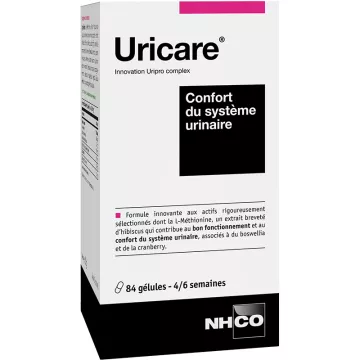
Several preventive measures have proven effectiveness. Drink plenty of fluids: consume at least 1.5 to 2 liters of water per day to promote urine dilution and bladder flushing. Urinate regularly, without holding it in for too long, and especially after sexual intercourse to mechanically flush out any bacteria that may have been introduced. Practice daily but gentle intimate hygiene using a pH-balanced intimate wash, without overdoing it, and always wipe from front to back after using the restroom. Avoid irritants: scented sprays, vaginal douches (which should be avoided as they disrupt the protective flora), bubble baths, and wipes containing irritating preservatives. Choose breathable cotton underwear and avoid clothing that is too tight. Treat chronic constipation, which promotes infections due to digestive stasis. For those prone to recurrent infections, the comprehensive selection ofelimination support, herbal medicine, and elimination-boosting products offers suitable supplements to discuss with your pharmacist.
Treatment for cystitis depends on the severity, the patient’s profile, and laboratory results. It requires a doctor’s prescription and is not suitable for self-medication.
For uncomplicated acute cystitis in young women without comorbidities, current recommendations from the HAS and SPILF advocate a short course of antibiotic therapy: a single dose of fosfomycin trometamol as first-line therapy, or pivmecillinam for 3 to 5 days depending on the clinical context. For cases of cystitis at risk of complications (pregnant women, the elderly, poorly controlled diabetes, urological history, recurrent infections), treatment is tailored to the urine culture and sensitivity test results and may be longer. For cystitis in men, treatment is prolonged due to the risk of prostate involvement. For pregnancy-related cystitis, antibiotic treatment should begin promptly after specimen collection, using agents safe for pregnancy (amoxicillin, fosfomycin, cefixime, as recommended). Recommended additional measures in all cases: ample fluid intake (at least 1.5 to 2 liters per day), regular urination, and pain relievers (acetaminophen as first-line treatment). NSAIDs should be avoided as a first-line treatment because they may increase the risk of progression to pyelonephritis. Strict adherence to the prescribed treatment, even after symptoms have resolved, is essential to eradicate the infection.
Yes, recurrent cystitis is common, particularly in women. According to medical definitions, cystitis is considered recurrent when at least four documented episodes occur over a period of 12 consecutive months.
Factors that contribute to recurrences include: family history, frequent sexual intercourse, menopause with urogenital atrophy, estrogen deficiency, diabetes, urinary anatomical abnormalities, and incomplete bladder emptying. Managing recurrences requires a specific medical evaluation to identify any treatable contributing factors. Several approaches may be considered: strengthening hygiene and dietary measures, daily intake of standardized cranberry extract (36 mg of type A proanthocyanidins per day), whose preventive benefits have been documented in several studies, taking D-mannose, low-dose antibiotic prophylaxis in certain situations (under strict medical supervision due to the risk of resistance), and local estrogen therapy after menopause in cases of urogenital atrophy. A urological consultation is often recommended to investigate an underlying cause: ultrasound of the urinary tract, measurement of post-void residual urine, and, depending on the case, further urological evaluation.
Pregnancy is a risk factor for cystitis and requires special vigilance. Any urinary tract infection in a pregnant woman is considered a high-risk situation according to the HAS.
Several physiological mechanisms contribute to cystitis during pregnancy. Hormonal changes (particularly progesterone) lead to a decrease in bladder and ureteral tone, promoting urinary stasis. Mechanical compression by the pregnant uterus, particularly in the third trimester, disrupts bladder emptying. The immune system is physiologically modulated during pregnancy, increasing susceptibility to infections. Asymptomatic bacteriuria (the presence of bacteria without symptoms) may occur and requires systematic screening and treatment according to guidelines, as it carries a risk of progressing to pyelonephritis (more common during pregnancy), preterm delivery, and fetal growth restriction. Essential preventive measures for pregnant women include: staying well-hydrated, urinating regularly, maintaining good intimate hygiene, wearing cotton underwear, and regular monitoring via urine test strips or a urine culture. Any urinary symptoms in a pregnant woman require prompt medical consultation and the immediate initiation of antibiotic treatment appropriate for pregnancy following a bacterial culture.
Several natural approaches can complement medical management of cystitis, particularly in preventing recurrences. They are never a substitute for antibiotic therapy in cases of confirmed infection.
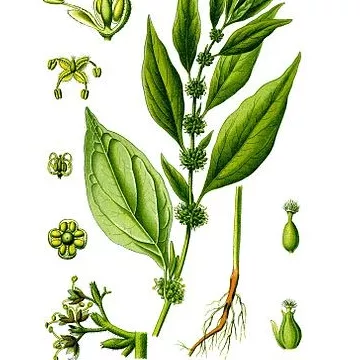
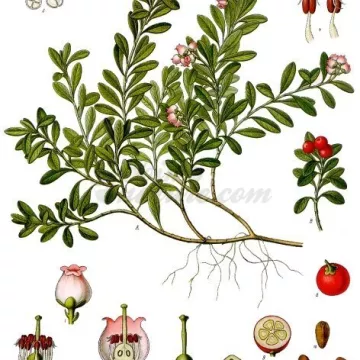
Cranberry is the most extensively studied supplement for this condition. Its type A proanthocyanidins (PACs) have been shown in several clinical studies to limit the adhesion ofE. coli to the bladder walls. Standardized extracts containing 36 mg of PAC per day are preferable to cranberry juices, which are often sweetened and less concentrated. Oral or vaginal probiotics (Lactobacillus strains, particularly Lactobacillus rhamnosus GR-1 and Lactobacillus reuteri RC-14) can help restore a balanced vaginal and perineal flora, especially after antibiotic therapy or to prevent recurrences. Bearberry (Arctostaphylos uva-ursi) is traditionally used to promote urinary comfort (usage guidelines: maximum 2 weeks due to the presence of hydroquinone). Hawkweed and goldenrod are used in herbal medicine to support urinary elimination. D-mannose is increasingly being studied for the prevention of E. coli cystitis. Important precaution: Always consult your pharmacist or doctor before starting a treatment regimen, particularly if you are pregnant, breastfeeding, undergoing long-term treatment, or have a related medical condition.
Cystitis is a specific type of urinary tract infection that must be distinguished from other clinical conditions. This distinction directly determines the level of urgency and the nature of treatment.
Cystitis is an infection limited to the bladder with strictly local symptoms: burning during urination, urinary urgency, frequent urination, sometimes hematuria, and suprapubic heaviness. The patient’s general condition is usually unaffected, with no fever. Pyelonephritis is a more serious infection that affects the kidney itself. It combines the signs of cystitis with characteristic systemic symptoms: fever above 38.5°C, chills, unilateral lower back pain with tenderness on percussion, and sometimes nausea and vomiting. It constitutes a medical emergency.Urethritis is an infection limited to the urethra, often of sexually transmitted origin (Chlamydia, gonococcus), and is characterized primarily by urethral discharge and a burning sensation during urination, without marked bladder pressure. Prostatitis in men is characterized by urinary symptoms, fever, and deep pelvic pain. An accurate medical diagnosis is essential to precisely identify the type of infection and tailor treatment accordingly. A urine culture and sensitivity test (ECBU) and, in some cases, imaging studies are the key diagnostic tests.
Interstitial cystitis (also known as painful bladder syndrome) is a clinical entity distinct from classic bacterial cystitis. Recognizing it prevents unnecessary antibiotic treatment and guides patients toward specific management.
Bacterial cystitis is an acute infection, usually of short duration, that is effectively treated with appropriate antibiotic therapy. The urine culture is positive (significant presence of bacteria), and symptoms generally resolve within a few days of treatment. Interstitial cystitis is a chronic condition characterized by persistent (at least 6 months) bladder and pelvic pain and pressure, without evidence of bacterial infection on a urine culture. Symptoms may resemble those of cystitis (urinary urgency, daytime and nighttime pollakiuria, sometimes with more than 10 voids per day) but do not respond to antibiotics. Its pathophysiology is not fully understood: alteration of the bladder’s protective layer of glycosaminoglycans, neurogenic inflammation, and immune dysregulation. Diagnosis relies on ruling out other conditions and requires a specialized urological consultation, and sometimes a cystoscopy with hydrodistension and biopsies. Treatment is multimodal and personalized: dietary modifications (avoidance of caffeine, acidic foods, citrus fruits, and chocolate depending on individual sensitivity), specific oral treatments (pentosan polysulfate, low-dose amitriptyline), bladder instillations (hyaluronic acid, chondroitin sulfate), and sometimes sacral neuromodulation. Psychological support is often necessary due to the chronic impact on quality of life.
A medical consultation is necessary at the first signs of cystitis. Several clinical situations warrant a prompt or even emergency consultation.
An immediate medical consultation is recommended as soon as suggestive symptoms appear: burning during urination, urinary urgency, increased urinary frequency, blood in the urine, or suprapubic heaviness. An emergency visit or a call to your primary care physician on the same day is necessary if you experience: a fever higher than 38.5°C, chills, unilateral lower back pain, persistent nausea and vomiting, or a deterioration in your general condition. Situations involving particular risk that always warrant prompt medical attention include: pregnant women (any urinary tract infection or asymptomatic bacteriuria warrants treatment), men (cystitis always carries a risk of complications), the elderly —particularly those with confusion or atypical symptoms— people with poorly controlled diabetes, immunocompromised individuals, those with a history of urological conditions or known anatomical abnormalities, and those with recurrent infections (more than 4 episodes per year). Call 15 (emergency medical services) immediately if there are signs of severe illness (low blood pressure, altered consciousness, shock) suggestive of sepsis.Self-medication should be avoided: it can mask symptoms, delay diagnosis, and increase the risk of complications, particularly progression to pyelonephritis or sepsis.