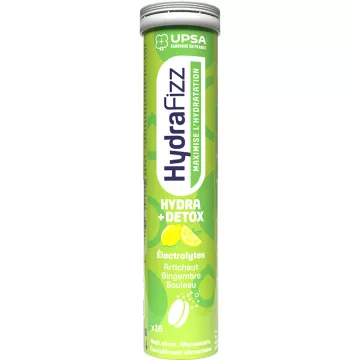
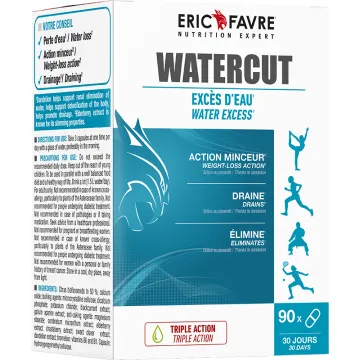
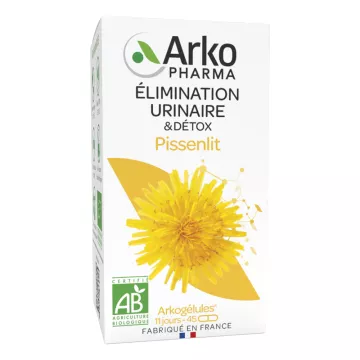
In the context of natural health,elimination refers to the body’s ability to expel metabolic waste and accumulated toxins through its various emunctory organs: the liver, kidneys, intestines, lungs, and skin. Effective elimination is the combined result of a healthy lifestyle, a balanced diet, adequate hydration, and efficient blood and lymphatic circulation. It can be supported by diuretic herbs, bodywork techniques, and certain dietary supplements. When elimination is disrupted—due to sluggish digestion, reduced sweating, or a sedentary lifestyle—toxins accumulate and cause vague symptoms such as fatigue, dull skin, bloating, and increased susceptibility to infections.
Elimination isn’t limited to nutrition—the entire body is involved:
These techniques are complementary to—not substitutes for—the primary elimination pathways. Some (sauna, hot baths) are contraindicated in cases of high blood pressure, pregnancy, or cardiovascular disease—medical advice is required in these cases.
Certain essential oils have well-documented draining and stimulating properties:
Aromatherapy can be used through inhalation, diffusion, or diluted massage (max 2–3% in a carrier oil). Essential oils are contraindicated during pregnancy and for children without specialized medical advice.
Chronic stress directly disrupts the body’s elimination pathways: cortisol and adrenaline reduce intestinal motility, impair the liver’s barrier function, and constrict the lymphatic system through muscle tension. Relaxation activates the parasympathetic nervous system (known as the “rest and digest” response), which promotes intestinal peristalsis, bile secretion, and lymphatic drainage. Meditation, yoga, cardiac coherence, and deep breathing techniques are effective tools for activating this system and optimizing deep detoxification.
Alcohol and tobacco are two of the biggest disruptors of the elimination pathways. Alcohol overloads the liver by mobilizing its detoxification enzymes (alcohol dehydrogenase, cytochrome P450 2E1) at the expense of other toxic substrates—medications, pollutants, and heavy metals. Tobacco introduces more than 4,000 chemicals, including heavy metals (cadmium, lead), which the liver and kidneys must eliminate in addition to their usual workload. Reducing or eliminating these two substances is the most effective measure for improving the body’s elimination capacity. It should be noted that activated charcoal can help trap certain digestive toxins on an occasional basis, but should never be used within hours of taking medication due to its nonspecific adsorption.