What is the lymphatic system, and what is its role?
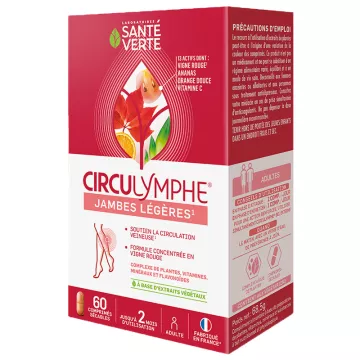
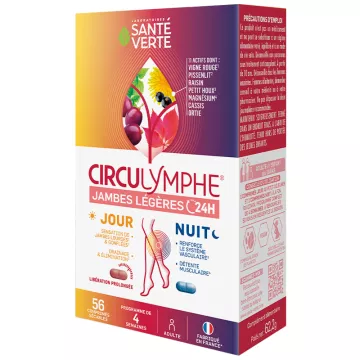
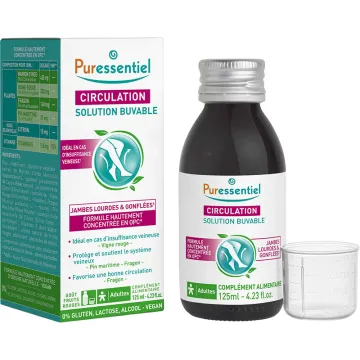
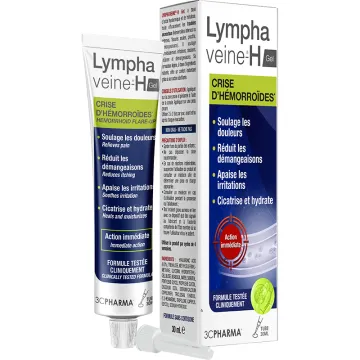
The lymphatic system is a network of vessels, capillaries, and lymph nodes that complements the bloodstream by collecting excess interstitial fluid and returning it to the bloodstream—about 2 to 4 liters of lymph per day. It plays a threefold role: maintaining tissue fluid balance, transporting fats absorbed in the intestine (chyle), and supporting immunity (filtering pathogens in the lymph nodes). Lymphatic and circulatory support products are available in the store’s venous circulation line.
- Functional anatomy: lymphatic capillaries (blind-ended—collect interstitial fluid) → collecting lymphatic vessels (equipped with anti-reflux valves) → lymph nodes (immunological filtration—armpits, neck, groin, mesentery) → lymphatic trunks → left thoracic duct and right lymphatic vein → join the bloodstream at the subclavian veins
- Lymph propulsion: unlike blood, lymph has no dedicated pump—it moves forward due to muscle contractions (walking, physical activity), respiratory movements (diaphragm), adjacent arterial pulsations, and the autonomous contraction of the walls of the lymphatic vessels
- Immune role: Lymph nodes contain B lymphocytes (antibodies) and T lymphocytes (cell-mediated immunity)—adenopathy (swollen lymph node) = active immune response—the tonsils, spleen, and intestinal Peyer’s patches are part of the lymphatic system
What are the signs of impaired lymphatic circulation, and when should you seek medical attention?
- Lymphedema: accumulation of lymph in the tissues → progressive and chronic swelling — primarily affects the limbs — may be primary (congenital malformation of the vessels) or secondary (lymph node dissection, radiation therapy, parasitic infection—filariasis)—specialized management (physical therapy, manual lymphatic drainage, compression)
- Functional signs of slowed lymph flow: persistent fatigue — heaviness in the limbs — transient swelling at the end of the day (different from true lymphedema) — increased susceptibility to recurrent infections — cellulitis
- See a doctor if: unexplained and persistent unilateral swelling — multiple, persistent enlarged lymph nodes — post-surgical or post-radiation lymphedema — fever accompanied by painful lymph nodes (infection or lymphatic disorder)
How can you naturally stimulate lymphatic circulation?
- Physical activity: the first step—walking, swimming, yoga, and using a mini-trampoline are particularly effective at propelling lymph—at least 30 minutes per day—avoid long periods of inactivity—see treatments to improve circulation
- Manual lymphatic drainage: a specific therapeutic massage—light, rhythmic pressure applied in the direction of lymphatic flow—to be performed by a trained physical therapist—contraindicated in cases of active cancer, acute infection, or thrombosis
- Hydration: 1.5 to 2 L of water per day — maintains lymph flow — warm water is preferred over cold water to support tissue exchange
- Bromelain (pineapple enzyme): anti-inflammatory and draining properties—reduces post-traumatic and lymphatic swelling—250 to 500 mg per day between meals—contraindicated with anticoagulants
- Vitamin C: supports lymphatic vessel walls (collagen synthesis) — immunostimulatory properties — 500 to 1,000 mg per day
- Selenium: lymphatic antioxidant — cofactor for glutathione peroxidase — 55 to 200 µg/day — see the lymphatic system and blood circulation care
- Diuretic herbs (dandelion, orthosiphon, meadowsweet): promote the elimination of excess fluid through the kidneys — support for mild lymphatic congestion — combined with adequate hydration