What is a diuretic, and how does it affect the kidneys?
A diuretic is any substance—whether a medication or a plant—that increases the volume of urine excreted by the kidneys, thereby promoting the elimination of excess sodium and water. Prescription diuretics are prescribed by doctors for cardiovascular or kidney conditions. Herbs with diuretic properties are used in herbal medicine to support the kidneys’ natural elimination process in cases of functional fluid retention. Natural diuretic supplements are available in the store’s fluid retention product line.
- Renal mechanism: Diuretics inhibit the reabsorption of sodium (Na⁺) in the renal tubules → sodium carries water with it into the urine → reduction in blood volume → decrease in blood pressure and edema
- Types of prescription diuretics (available by prescription only):
- Thiazides (hydrochlorothiazide, indapamide): distal convoluted tubule—treatment forhigh blood pressure —risk of hypokalemia
- Loop diuretics (furosemide, bumetanide): Henle’s loop — the most potent — heart failure and severe edema
- Potassium-sparing diuretics (spironolactone): collecting duct — preserve potassium — heart failure, hyperaldosteronism
- Main medical indications: hypertension — heart failure — liver cirrhosis with ascites — nephrotic syndrome — prevention of oxalate kidney stones
- Medication precautions: regular monitoring of electrolytes (potassium, sodium, magnesium) — and kidney function (creatinine) — interactions with NSAIDs, lithium, and ACE inhibitors — never change a prescribed diuretic regimen without medical advice
Which plants have natural diuretic properties?
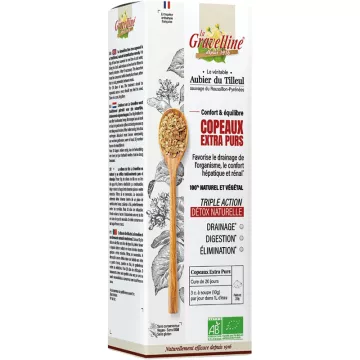
- Dandelion (Taraxacum officinale): well-documented diuretic action — EMA recognizes well-established traditional use — rich in potassium (compensates for urinary losses) — as a leaf infusion or extract — Contraindicated in cases of gallstones or bile duct obstruction
- Birch (Betula pendula): leaves rich in flavonoids (hyperoside) — mild diuretic effect — EMA: well-established traditional use to increase urine output in cases of mild urinary tract infections or urinary stones — adequate hydration required (at least 2 L/day)
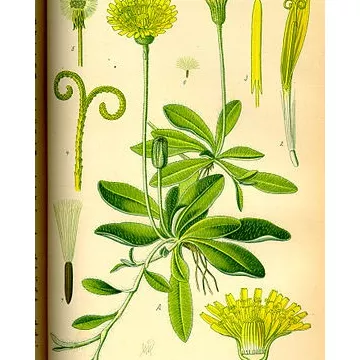
- Hairy Hawkweed (Hieracium pilosella): diuretic and anti-infective action on the urinary tract — EMA traditional use — as an infusion — must be taken with adequate hydration
- Orthosiphon (Orthosiphon stamineus — Java tea): leaves rich in sinensetin — diuretic and antispasmodic action — EMA: well-established traditional use to support renal excretion — as an infusion (2–3 g/200 mL, 2–3 times daily)
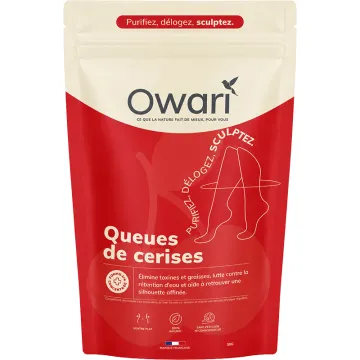
- Fennel, cherry stem, artichoke: complementary herbs with diuretic effects — often combined in formulations to support renal excretion
Precautions, Side Effects, and Inappropriate Uses
- Precautions common to both pharmaceutical diuretics and herbs: pregnancy and breastfeeding — Formal contraindication for pharmaceutical diuretics unless strictly prescribed by a doctor — diuretic herbs not recommended without medical advice — severe renal or hepatic insufficiency (consult a doctor first) — individuals taking pharmaceutical diuretics (do not combine without medical advice)
- Electrolytes to monitor: Thiazide and loop diuretics cause magnesium and potassium loss — increase dietary intake (bananas, legumes, avocados, spinach, nuts and seeds) — see “Lymphatic Circulation” for lymphatic edema
- Do not use diuretics for weight loss: weight loss associated with diuretics is temporary water loss—it does not represent fat loss—dangerous use that can lead to dehydration and severe electrolyte imbalances
- Hydration is essential: at least 1.5 to 2 L/day when taking any diuretic herb—without sufficient hydration, the diuretic effect concentrates urine and may promote kidney stones