


Urinary disorders encompass a wide range of symptoms that disrupt daily life.Urinary urgency —that sudden, overwhelming urge to urinate—is one of the most common complaints, often accompanied by frequent urination during the day and at night (nocturia). A burning sensation during urination (dysuria), a weak, sputtering, or interrupted stream, or even involuntary leakage round out the picture. Some people describe a sensation of heaviness in the pelvis, difficulty starting urination, or a feeling of incomplete emptying that causes them to return to the bathroom shortly afterward. Persistent urinary pain or abnormal urine color should always be cause for concern.
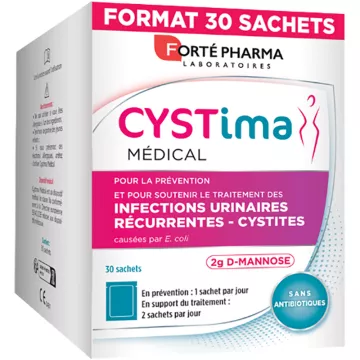
Several mechanisms explain these symptoms. Urinary tract infections (cystitis, urethritis, pyelonephritis) are far more common in women, due to a short urethra that facilitates bacterial colonization, primarily by Escherichia coli. In men over 50,benign prostatic hyperplasia compresses the urethra and impairs bladder emptying. Other causes include neurological disorders (multiple sclerosis, post-stroke complications, diabetic neuropathies), organ prolapse, diuretic medications, chemical irritation from certain hygiene products, and urinary stones. Pregnancy, menopause, and a history of pelvic surgery are also known contributing factors. Multiple causes may coexist in the same individual, which is why a personalized evaluation is necessary.
Diagnosis begins with a detailed interview about the nature, severity, and duration of symptoms, supplemented by a clinical examination.A urine culture and sensitivity test (ECBU) remains the gold standard for confirming or ruling out an infection and identifying the causative pathogen. A urine test strip performed in the doctor’s office provides a quick initial assessment. Depending on the situation, the doctor may order an ultrasound of the bladder and kidneys, a measurement of post-void residual urine, a urine flow rate test, or a cystoscopy to examine the bladder wall. In men, a PSA test and a digital rectal exam complete the prostate evaluation. This diagnostic pathway, standardized by the HAS, aims to distinguish between an acute infection, a chronic functional disorder, and a mechanical obstruction.
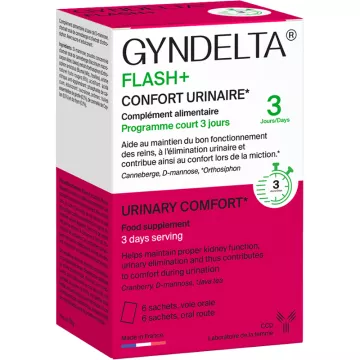
Treatment depends strictly on the identified cause. Documented bacterial infections require targeted antibiotic therapy prescribed by a physician, with the duration and specific antibiotic tailored to the pathogen and the patient’s condition. Benign prostatic hyperplasia is treated with alpha-blockers, 5-alpha-reductase inhibitors, or surgery in obstructive cases. For stress or urge incontinence, pelvic floor muscle rehabilitation is the first-line treatment, sometimes combined with anticholinergics or beta-3 agonists. Dietary supplements intended to promote urinary comfort can be used alongside these treatments but should never replace them. Any prolonged self-medication should be discussed with a healthcare professional.
Prevention relies on simple but consistent practices. Drinking 1.5 to 2 liters of water per day promotes regular drainage of the urinary tract and limits bacterial concentration in the bladder. Urination as soon as the urge arises, completely emptying the bladder, and urination after sexual intercourse in women significantly reduce the risk of infection. Practicing proper intimate hygiene —using mild, pH-balanced soap, wiping from front to back, and wearing cotton underwear—protects the local bacterial flora. Limiting caffeine, alcohol, and carbonated beverages—which irritate the bladder lining—also helps soothe an overactive bladder. Finally, taking good care of your intimate area and treating chronic constipation reduces pressure on the pelvic floor.
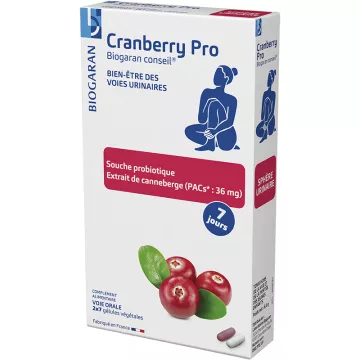
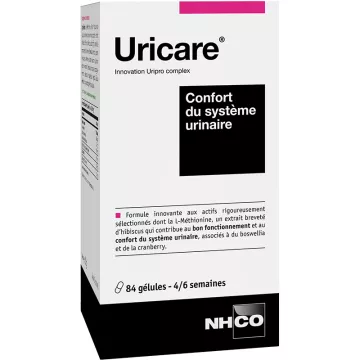
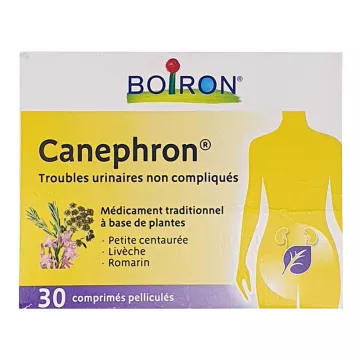
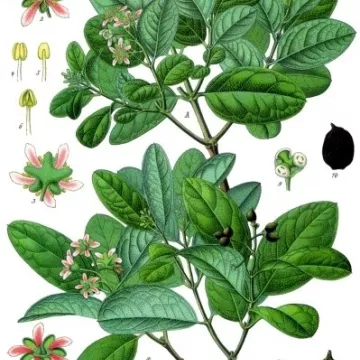
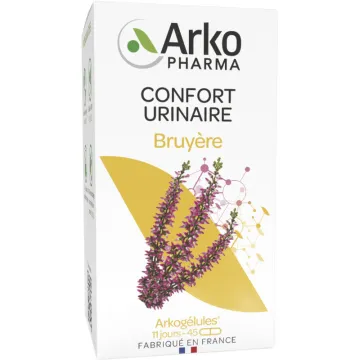
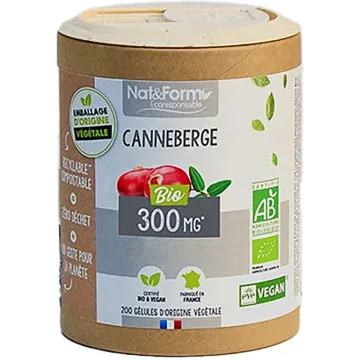
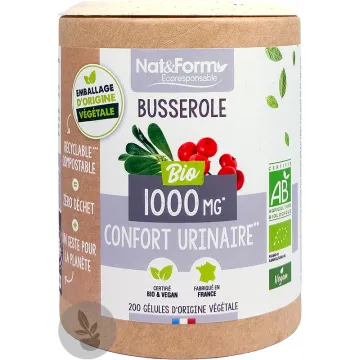
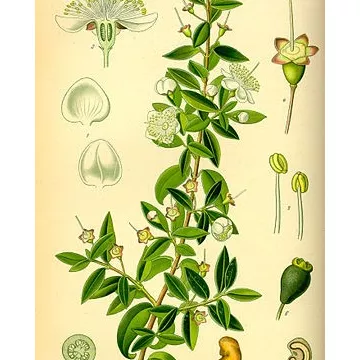
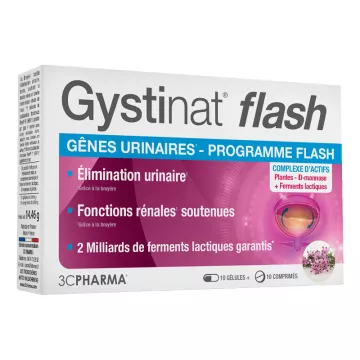
Herbal medicine offers several traditional remedies used to support urinary tract health. Cranberries contain proanthocyanidins that may preventE. coli from adhering to the bladder lining; they are used as a supportive measure rather than a curative treatment. Bearberry and hawkweed are traditionally used to support kidney function and promote urinary tract drainage. Heather is also traditionally used for these same indications of temporary urinary discomfort. In terms of microbiome balance, certain targeted probiotics (Lactobacillus strains) are being studied to support the vaginal flora and, indirectly, the barrier against recurrences. None of these approaches replaces a medical consultation in the event of persistent symptoms.
Chronic stress has a real impact on the bladder via the autonomic nervous system. Persistent anxiety increases the frequency of urgent urges, exacerbates involuntary bladder contractions, and can trigger episodes of overactive bladder. For people with interstitial cystitis, stress is one of the identified aggravating factors. Working on emotional regulation—coherent breathing, mindfulness meditation, regular physical activity, and quality sleep—is an integral part of comprehensive management. Managing daily stress and getting restful sleep indirectly help soothe a sensitive bladder and reduce nocturia associated with an overactive nervous system.
The drop in estrogen levels during menopause profoundly alters the urogenital mucosa. The bladder and urethral epithelium thins, the supporting tissue loses elasticity, and the vaginal flora becomes unbalanced, promoting recurrent urinary tract infections, dryness, and stress incontinence. This menopausal genitourinary syndrome affects a significant proportion of women over age 50 and remains largely underdiagnosed. Several treatment options exist: local estrogen therapy prescribed by a doctor, gentle cleansing products, perineal rehabilitation, and support through targeted menopause solutions. Pregnancy, on the other hand, mechanically strains the bladder due to uterine compression—a temporary but uncomfortable phenomenon.
What you eat directly influences urinary health. A high-fiber diet —including vegetables, fruits, legumes, and whole grains—prevents constipation, as the chronic abdominal pressure caused by constipation strains the pelvic floor and contributes to leakage. Cutting back on spicy, acidic (citrus fruits, excessive tomatoes), and sweetened foods, as well as caffeine, soothes irritable bladders. Staying regularly hydrated is key: don’t limit your fluid intake out of fear of leakage, as this would dangerously concentrate your urine. Dietary antioxidants found in berries, green tea, and colorful vegetables support the integrity of the mucous membranes. Moderate alcohol consumption and a varied, Mediterranean-style diet form a lasting protective foundation.
Certain symptoms require immediate medical attention. Blood in the urine (hematuria), a fever higher than 38.5 °C, one-sided lower back pain radiating to the lower abdomen, chills, vomiting, or a deteriorating general condition may indicate an upper urinary tract infection (pyelonephritis) or a complication requiring immediate medical attention—call 15 or 112 if you experience severe symptoms. Persistent dysuria lasting more than 48 hours, frequent recurrent infections, new-onset incontinence, unusual difficulty urinating, or a suspected urinary stone also warrant medical evaluation. In children, pregnant women, people with diabetes, and the elderly, any suspicion of a urinary tract infection requires an immediate medical consultation.
Kegel exercises target the muscles that support the bladder, uterus, and rectum. When performed three times a day in sets of 10 to 15 contractions held for 5 seconds, they gradually strengthen the perineal sphincter and significantly improve stress incontinence and urinary urgency. The benefits have been documented in women after childbirth and during perimenopause, as well as in men following prostate surgery. Rehabilitation guided by a physical therapist or midwife—sometimes supported by biofeedback or electrical stimulation—optimizes results when self-rehabilitation reaches its limits. This approach is among the French National Authority for Health ’s ( HAS ) first-line recommendations for female urinary incontinence. Combined with a healthy lifestyle, it represents a long-term investment in urinary health.