Genital discomfort includes sensations of burning, itching, or irritation in the genital area. It can have many causes, including infections such as candidiasis, hormonal imbalances, unsuitable hygiene products, or simple friction. Distinguishing between temporary discomfort and a chronic condition helps determine the appropriate course of action and prevents misguided self-medication.
Several factors can disrupt the balance of the genital area:
Gentle hygiene remains the best prevention. A fragrance-free, pH-balanced cleanser, thorough drying, and cotton underwear help limit moisture buildup and irritation. Avoiding tight-fitting clothing allows the skin to breathe and reduces heat, which can lead to imbalances.
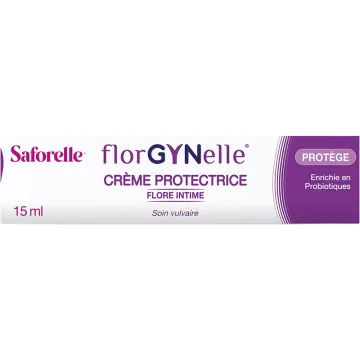
Occasional discomfort related to a new product or sexual intercourse usually goes away within a few days. Discomfort that recurs regularly often indicates a deeper imbalance. Restoring the vaginal flora with targeted probiotics can help, but persistent discomfort warrants a medical consultation to rule out any underlying causes.
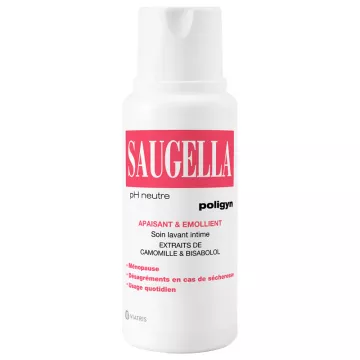
A drop in estrogen, particularly noticeable during menopause, reduces lubrication and makes the mucous membrane more sensitive. These hormonal changes require specific moisturizing care and particularly gentle hygiene to maintain comfort.
Gentle solutions can alleviate mild symptoms:
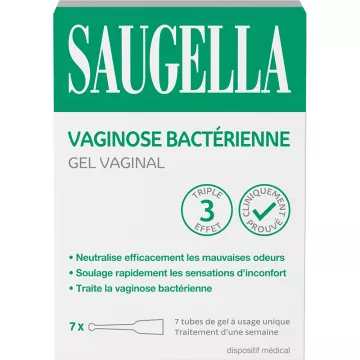
In the event of a confirmed infection, a prescribed antifungal or antibiotic treatment is still necessary. Persistent itching should never be ignored.
Yes: redness, itching, and irritation around the glans or foreskin can occur, often related to an infection, an allergy, or poor hygiene. Persistent discomfort in men, sometimes accompanied by symptoms suggestive of a urinary tract infection, also warrants a medical consultation.