Pelvic floor rehabilitation (or perineal rehabilitation) is a therapeutic approach designed to strengthen and coordinate the pelvic floor muscles. These muscles, located at the base of the pelvis, form a sort of “hammock” that supports the pelvic organs (bladder, uterus, rectum) and helps maintain urinary and fecal continence.
According to the French National Authority for Health (HAS) and the International Continence Society, this practice is an essential pillar of care for several functional disorders. It is effective for: stress and urgeurinary incontinence, fecal incontinence, pelvic organ prolapse, certain sexual dysfunctions, certain chronic pelvic pain conditions, and postpartum care. When performed early and regularly, pelvic floor rehabilitation improves organ support, restores sphincter function, and preserves quality of daily life. The complete selection of products to support urinary comfort is available at pharmacies and should be used in conjunction with non-pharmacological approaches such as rehabilitation.
Pelvic rehabilitation relies on complementary techniques, selected and tailored by a healthcare professional based on the patient’s needs. Its effectiveness depends on the consistency and quality of the exercises.
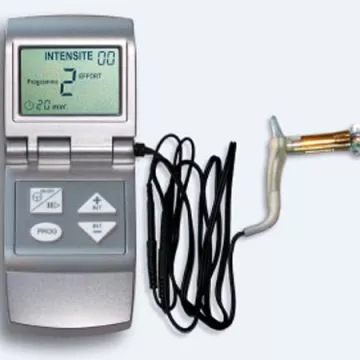
Several techniques are commonly used. Kegel exercises consist of voluntary contractions of the pelvic floor muscles, alternating with periods of relaxation, to be performed in appropriate sets. Coordinated diaphragmatic breathing is essential: modern rehabilitation incorporates respiratory coordination to optimize the action of the perineum. Biofeedback uses a probe equipped with sensors (vaginal or rectal) connected to a screen that displays the perineal muscles’ activity in real time, allowing patients to learn how to correctly identify and contract the right muscles.Electrostimulation (painless electrical stimulation) can be used in certain cases, particularly when voluntary contraction is very weak. Manual techniques can complement the treatment. More recently, connected devices (smart probes linked to an app: Emy, Elvie, Perifit) enable guided, gamified rehabilitation at home. The program is always tailored to the individual’s specific needs and progress.
Pelvic rehabilitation is intended for a broader audience than many people realize. Several groups have been shown to benefit from it, according to international recommendations.
The main indications include: postpartum women (postpartum perineal rehabilitation, covered by health insurance in France, systematically recommended by the HAS); women of any age with urinary incontinence (stress or urge incontinence); women with early-stage genital prolapse or as part of surgical care; women in perimenopause and menopause with urogenital atrophy and impaired muscle tone; men following prostate surgery (radical prostatectomy for cancer) with postoperative stress incontinence; men with incontinence due to benign prostatic hyperplasia; older adults to limit age-related loss of muscle tone; male and female athletes participating in high-impact sports (running, fitness, team sports) that place intense strain on the perineum; people with chronic pelvic pain, sexual dysfunction, or chronic constipation related to perineal dysfunction. Rehabilitation is also offered as a preventive measure for certain high-risk groups. The initial consultation is generally prescribed by a doctor (primary care physician, gynecologist, urologist).
The benefits of pelvic floor rehabilitation are numerous and supported by several clinical studies. They affect both physical function and overall quality of life.
Several key benefits have been reported. Improved urinary continence: Strengthening the pelvic floor and learning preventive contraction techniques (perineal contraction before straining, coughing, or sneezing) significantly reduce episodes ofurinary incontinence. Improved fecal continence in pelvic floor disorders and anal incontinence. Improved sexual function: better perineal tone enhances sensory perception and sexual satisfaction and can alleviate certain types of dyspareunia. Reduction of chronic pelvic pain: by stabilizing the pelvic region and working the associated muscle chains, pain associated with interstitial cystitis, endometriosis, or chronic pelvic pain can be alleviated. Prevention of prolapse or symptomatic improvement in early-stage prolapse. Improved overall posture with a positive impact on lower back pain. Facilitated post-surgical recovery. Improved overall quality of life and self-confidence.
Starting pelvic rehabilitation follows a structured and supervised process. The initial evaluation consultation is the key step toward an effective and tailored program.
Several steps structure the start of the process. Step one: the medical referral. A consultation with a general practitioner, gynecologist, urologist, or midwife allows for an assessment of the situation and a referral for pelvic floor rehabilitation. In France, perineal rehabilitation sessions are covered by health insurance with a prescription, particularly in the postpartum period and for urinary incontinence. Second step: choosing a professional. Rehabilitation can be provided by a specialized midwife (especially postpartum) or by a physical therapist or massage therapist specializing in perineal rehabilitation. Choosing a professional with specialized training is essential: pelvic floor rehabilitation is a specialty that requires additional training. Step 3: The initial assessment. The professional conducts a comprehensive clinical examination (perineal muscle testing, coordination assessment), performs a detailed interview, and develops a personalized plan. Step Four: The Sessions. Attend the prescribed sessions regularly (usually 10 to 20 initial sessions, depending on the specific needs) and perform the exercises at home between sessions. Step Five: Follow-Up. Maintain open communication with the therapist about your progress, any difficulties, and how you’re feeling.
The duration of a pelvic floor rehabilitation program varies considerably depending on the individual’s profile, the severity of the symptoms, and adherence to the treatment plan. The schedule is generally determined during the initial assessment.
In practice, several durations are common. For postpartum care, perineal rehabilitation generally consists of 10 to 20 sessions spread over 2 to 4 months, beginning 6 to 8 weeks after childbirth. Formoderate stress urinary incontinence, a program of 15 to 20 sessions over 3 to 4 months often yields good results. Forpost-prostatectomy incontinence or severe incontinence, the program may be longer (sometimes 6 to 12 months) and involve a combination of techniques. For chronic pelvic pain, treatment is generally longer and combines physical therapy with other approaches. Sessions typically last 30 to 60 minutes, with 1 to 2 sessions per week initially, gradually spaced out as progress is made.Empowerment is a key goal: exercises should be continued at home between sessions and, ideally, maintained for life asmaintenance exercises (a few minutes several times a week). Without maintenance, the benefits may diminish over time. An annual or biennial follow-up visit is often recommended.
No, pelvic floor rehabilitation should not be painful. A sensation of muscle effort is normal, but any actual pain should be reported and addressed.
Perineal rehabilitation is designed to be gentle and progressive. At the start of the program, some people may experience mild muscle fatigue after the exercises—a sensation similar to that of any muscle being used for the first time or reawakened. This fatigue is normal and temporary. If significant pain occurs during or after the exercises, it is essential to report it immediately to the therapist. There are several possible causes of discomfort: exercises performed incorrectly, contractions that are too intense, improperly positioned probes, or pre-existing pelvic pain (vaginismus, vestibulodynia, neuropathic pain) that requires a specific, very gradual approach. The therapist will adjust the exercises, intensity, equipment used, and frequency of sessions to ensure a comfortable experience. Open communication with the therapist is essential. Perineal rehabilitation may also include specific work on relaxation and muscle release in cases of a hypertonic perineum (chronic pelvic pain, vaginismus), using an approach that is fundamentally different from traditional strengthening exercises.
Progress is assessed based on several complementary criteria, both objective and subjective. Regular follow-ups allow the program to be adjusted and help motivate the patient.
Several assessment tools are used.Regular clinical evaluation by the therapist: perineal muscle testing (strength, endurance, coordination, classic PERFECT method), posture assessment, and palpation of associated muscle chains. Biofeedback objectively measures muscle activity over the course of sessions and allows for performance comparisons. The symptom diary kept by the patient (frequency and severity of leakage, sensations, circumstances of occurrence, impact on daily activities) is an essential tool. Validated, specific quality-of-life questionnaires (ICIQ-SF for urinary incontinence, PFIQ-7 for pelvic floor function, ICIQ-VS for vaginal symptoms) allow for objective measurement of perceived improvement. External clinical signs: resumption of previously avoided activities (laughing, sports, going out), restored confidence, ability to carry loads without leakage. The voiding diary helps quantify pollakiuria and urinary urgency. Progress is generally gradual and appears after several weeks of regular practice; it is rarely immediate.
Yes, at-home pelvic floor rehabilitation is not only possible but essential for long-term success. However, it does not replace the initial training phase with a professional.
Initial training in a clinic is essential before practicing independently. The professional ensures that the patient correctly identifies the muscles, performs the contractions effectively, and does not inadvertently activate unrelated muscles (abdominals, glutes, adductors). Without this initial validation, many people paradoxically contract the wrong muscles and see no results despite significant effort. Once the technique has been mastered, several tools make it easier to practice at home. Personalized exercise sheets provided by the therapist help structure the sessions. Vaginal cones with progressive weights are a classic aid for women. Connected devices (smart probes such as Emy, Elvie, and Perifit linked to a smartphone app) offer gamified exercises with real-time feedback, which are particularly popular among motivated users. Dedicated mobile apps send reminders for daily sessions.Incorporating the exercises into daily life (while driving, at the office, on public transportation) makes it easier to stay consistent. Regular communication with the therapist is still recommended to adjust the program.
The risks of pelvic floor rehabilitation are generally low and are largely outweighed by the benefits. A few precautions can help prevent potential complications.
Pelvic rehabilitation is a very safe approach when conducted by a trained professional. The main identified risks are related to: improperly performed exercises or inappropriate contractions, which can cause muscle soreness, muscle spasms, or even paradoxically exacerbate certain pelvic pains; self-directed rehabilitation without initial assessment, which carries the risk of performing exercises that are unsuitable or even contraindicated (as in the case of a hypertonic perineum with pelvic pain, where conventional strengthening exercises can worsen the condition); incorrect use of devices (cones, probes) without prior training; continuing exercises despite pain, which can exacerbate an underlying condition. Essential precautions: be supervised by a qualified professional (midwife or physical therapist specializing in perineal rehabilitation), adhere to any contraindications (active urinary tract infections, certain vaginal conditions, very early postpartum period), report any pain or discomfort, and do not use probes during menstruation for hygiene reasons. Absolute contraindications are rare but include certain acute pelvic conditions. A prior medical consultation is essential to confirm the appropriateness of the treatment.