
Urinary incontinence refers to the involuntary loss of urine resulting from a lack of bladder control. According to the HAS and the French Society of Urology, it affects a significant portion of the adult population, particularly women over 50 and men over 60.
Four main clinical forms are typically described, each with its own mechanisms and treatments.Stress incontinence occurs when coughing, sneezing, laughing, lifting heavy objects, or engaging in physical activity, due to weakness of the sphincter or the pelvic floor muscles.Urge incontinence (urgency) or overactive bladder is associated with a sudden, uncontrollable, and urgent need to urinate, sometimes resulting in leakage before reaching the restroom.Mixed incontinence combines the two previous mechanisms and accounts for a significant proportion of cases among older women.Functional incontinence results from a physical or cognitive limitation that prevents a person from reaching the restroom in time (reduced mobility, cognitive impairments, unsuitable environment). Incontinence is a type of urinary disorder that requires medical evaluation.
The causes of urinary incontinence are multifactorial and vary by gender, age, and clinical type. Accurate identification of these causes guides the treatment strategy.
In women, several factors are predominant: weakness of the pelvic floor muscles related to pregnancies and childbirth (particularly vaginal delivery, high birth weight, and perineal tears), hormonal changes during menopause with urogenital atrophy, history of pelvic surgery, genital prolapse, being overweight, chronic constipation, and chronic cough. Inmen, the main causes include: prostate conditions (benign hyperplasia, sequelae of prostate surgery for adenoma or cancer), and neurological disorders. Causes common to both sexes: aging with progressive weakening of supportive structures, nerve disorders (diabetic neuropathy, multiple sclerosis, sequelae of stroke, spinal cord injuries), diabetes, urinary tract infections, obesity, certain medications (diuretics, sedatives, certain antihypertensives), and high-risk occupational activities (repeated heavy lifting).
The diagnosis is based primarily on a structured clinical approach. Additional tests are guided by the initial presentation and the patient’s medical history.
The initial evaluation includes a detailed interview: type of leakage (stress, urge, mixed), circumstances of occurrence, duration, impact on daily life and emotional well-being, medical and obstetric history, and medications taken. A 3- to 7-day voiding diary (volumes, times, episodes of leakage, circumstances) provides valuable information for the differential diagnosis.The clinical examination includes, in women, a perineal and pelvic examination (screening for prolapse, assessment of the pelvic floor muscles, cough test); in men, a prostate examination (digital rectal exam). Standard diagnostic tests include: urinalysis (dipstick, urine culture if infection is suspected), ultrasound of the urinary tract (measurement of post-void residual urine), and urinary flow rate measurement. A specialized urodynamic evaluation, performed during a urology consultation, is indicated in complex cases, if initial treatment fails, or prior to surgery. A referral may be provided by a primary care physician, gynecologist, urologist, or physical therapist specializing in perineal rehabilitation.
The treatment of urinary incontinence is a step-by-step process tailored to each individual’s situation. A conservative approach is generally recommended as a first-line treatment before considering more invasive options.
Perineal rehabilitation provided by a physical therapist or a specialized midwife is the first-line treatment for stress incontinence. It combines Kegel exercises (voluntary contractions of the pelvic floor muscles), biofeedback (real-time visualization of muscle activity), and electrostimulation in certain cases. Effectiveness depends on consistency (typically 15 to 20 initial sessions, followed by continued practice at home). Behavioral modifications include: managing fluid intake (neither too much nor too little), following a scheduled urination schedule, reducing bladder irritants (caffeine, alcohol, soda), weight loss if overweight, and treating constipation. Medication is prescribed based on the type of condition: anticholinergics (oxybutynin, solifenacin, fesoterodine) for urinary urgency, beta-3 adrenergic agonists (mirabegron), local hormone therapy (vaginal estrogens) for postmenopausal women with urogenital atrophy. Surgical procedures are considered if conservative treatment fails: suburethral slings (TVT, TOT) for female stress incontinence, artificial urinary sphincter, and sacral neuromodulation. Appropriate absorbent pads (to be distinguished from standard sanitary pads) are part of the management plan.
Several lifestyle adjustments can significantly improve the condition, in addition to medical treatments and perineal rehabilitation.
Several measures are recommended. Regular, appropriate physical activity to maintain a healthy body weight and strengthen the abdominal-pelvic floor muscles (swimming, cycling, and yoga are particularly suitable; high-impact sports such as running and jumping can worsen stress incontinence). Avoidance of bladder irritants: caffeine (coffee, tea, sodas, cola, chocolate), alcohol, excessive citrus fruits, spicy foods, and artificial sweeteners. Adequate hydration: Maintain sufficient fluid intake (1.5 to 2 liters spread throughout the day) without excessive restriction (paradoxically, concentrated urine can worsen urinary urgency). Quit smoking: A smoker’s chronic cough worsens stress incontinence. Treat chronic constipation through dietary changes and hydration. Use relaxation and urgency management techniques (distraction methods, preventive pelvic floor contractions) in cases of urinary urgency. A complete selection of products to support urinary comfort is available at the pharmacy.
Urinary incontinence can be partially prevented, particularly in at-risk individuals. A few simple measures have been proven effective.
Recommended preventive measures include: regular physical activity throughout life (overall muscle strengthening, maintaining a healthy weight); performing Kegel exercises starting in adulthood, particularly after pregnancy and childbirth (postpartum rehabilitation is covered by health insurance in France and strongly recommended); a balanced, high-fiber diet to prevent constipation, which exerts chronic pressure on the pelvic floor; maintaining a healthy body weight (being overweight or obese significantly increases the risk of incontinence); limiting aggravating factors (excessive caffeine, alcohol, and tobacco); practicing perineal protection in daily life (learning to tighten the perineum before exertion such as lifting a load, coughing, or sneezing). For women, routine postpartum pelvic floor rehabilitation is an essential preventive measure. For men, regular prostate screenings after age 50 allow for the early detection of prostate conditions.
Yes, urinary incontinence is significantly more common in women than in men. Several anatomical and physiological factors explain this difference.
In women, the main contributing factors are: urethral anatomy (a short urethra, approximately 3 to 4 cm long, with fewer supporting structures); pregnancy and vaginal childbirth, which strain and can injure the pelvic floor (women who have had multiple births are at higher risk, particularly after delivering large babies or experiencing perineal tears); menopause with estrogen deficiency, which impairs the trophic function of urogenital tissues; genital prolapse, which alters the anatomy of the bladder and urethra. Inmen, urinary incontinence remains less common but occurs primarily in the context of prostate conditions: complications following surgery for benign prostatic hyperplasia or prostate cancer (post-prostatectomy incontinence), and prostatic hyperplasia with chronic retention and overflow incontinence. After age 80, the prevalence becomes similar between the two sexes due to physiological aging and comorbidities. A selection of products tailored for men’s care is available at the pharmacy.
Urinary incontinence can have a significant psychological impact that is often underestimated. Addressing this impact is an integral part of comprehensive and compassionate care.
Several aspects of life may be affected. Shame and a sense of loss of control are common and contribute to a persistent taboo: most people wait several years before seeking medical advice, even though treatments have proven effectiveness.Social isolation gradually sets in as people avoid activities where leakage would be embarrassing (sports, extended outings, travel, intimate relationships).Anticipatory anxiety and depressive symptoms are more common among people with incontinence, particularly in cases of frequent or heavy leakage. Overall quality of life is significantly impaired according to validated assessment scales (incontinence-specific quality-of-life questionnaires). Intimate and sexual relationships can be affected by the fear of leaks and a negative body image. Compassionate support is essential: downplay the situation, remind the person how common this condition is and that effective solutions exist, and encourage communication with their doctor and loved ones. Seeing a psychologist may be helpful in cases of significant emotional distress.
Several medical devices can complement the management of urinary incontinence depending on the situation. Their prescription and fitting require a medical evaluation.
Several options are available depending on the type of incontinence and the patient’s profile. Pessaries are silicone devices inserted into the vagina to support the pelvic organs and reduce stress incontinence associated with prolapse; they may be recommended for women who are not candidates for surgery or who are awaiting surgery. Intravaginal urethral tampons available at pharmacies (such as “Diveen”) offer a temporary solution for high-risk activities. External urinary clamps are sometimes used in men in certain specific situations (under strict medical supervision due to the risk of complications). Nerve stimulators (implantable sacral neuromodulation) are recommended for severe cases of urinary urgency that are resistant to medical treatment, following a specialized urological evaluation. Intermittent urinary catheters may be indicated for neurological bladders with retention. Absorbent pads specifically designed for incontinence (to be distinguished from standard sanitary pads) are often part of the management plan; they come in various absorption levels to address all situations, as a complement to other treatments.
Several technological solutions provide additional support in managing urinary incontinence. Their use is integrated into the overall care plan, alongside medical follow-up.
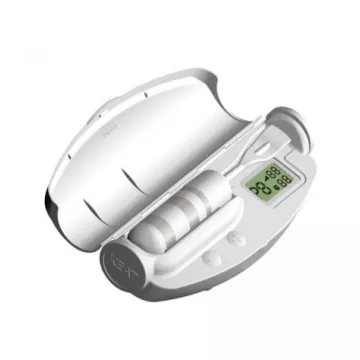
Mobile apps designed to track urinary habits (digital voiding diaries, Kegel exercise reminders) facilitate adherence to treatment and follow-up with healthcare professionals. Connected-device-assisted pelvic floor rehabilitation uses vaginal probes equipped with sensors (from brands such as Emy, Elvie, Perifit) that connect to a smartphone app to guide and visualize pelvic floor contractions through gamified exercises; these should be used only after consultation with a physical therapist or gynecologist. Traditional biofeedback technologies (in a clinic or at home) allow for real-time visualization of pelvic muscle activity and improve the effectiveness of exercises by ensuring that contractions are performed correctly. Telemedicine now enables remote urological or gynecological consultations, making follow-up care easier for people with limited mobility. Research is also developing smart implantable devices and therapies using non-invasive external electrical stimulation. These technological solutions remain complementary to medical care and do not replace the initial medical evaluation or regular follow-up.
Whether urinary incontinence is reversible depends largely on its cause, severity, and the quality of care. Many cases improve significantly with appropriate treatment.
Several conditions are often reversible.Moderate stress incontinence in young women or following childbirth often responds very well to pelvic floor rehabilitation and may resolve completely with rigorous rehabilitation.Urge incontinence can be significantly improved through behavioral modifications and medication.Overflow incontinence related to an obstruction (particularly benign prostatic hyperplasia) may resolve after treatment of the underlying cause. Conversely, certain forms are less reversible: neurological incontinence associated with chronic progressive conditions, severe post-surgical incontinence, and long-standing, neglected cases involving significant damage to the pelvic floor. An individual prognosis can only be determined following a specialized medical evaluation. The key message remains that there are almost always effective solutions to significantly reduce leakage and improve quality of life, even in the most complex cases. Early consultation improves the chances of successful treatment: prolonged waiting and resignation should be avoided.
Nocturia (frequent nighttime urination) andnocturia-related incontinence require a specific approach. A few simple measures can significantly improve nighttime comfort and sleep quality.
Several tips can be followed. Adjust fluid intake: limit (but do not eliminate) beverages in the 2 to 3 hours before bedtime, especially those with a diuretic effect (caffeine, alcohol, tea). Systematically empty the bladder before bed, with a second urination a few minutes after the first if necessary (double voiding). Use absorbent products suitable for nighttime use (larger pads or full-body underwear, as needed), selected with the help of a pharmacist based on the level of incontinence. Environmental adjustments: a nightlight to facilitate nighttime movement, removal of obstacles along the path to the bathroom, and a commode chair at the foot of the bed for individuals with limited mobility or for safety purposes (to prevent nighttime falls, particularly in older adults). Specific medication for nocturia may be an option for certain selected patients (notably desmopressin) following a rigorous medical evaluation, with contraindications to be observed (hyponatremia, heart failure). Assessment of comorbidities that may exacerbate nocturia: heart failure, sleep apnea syndrome, benign prostatic hyperplasia, and uncontrolled diabetes. A medical consultation is recommended in cases of new-onset, bothersome, or worsening nocturia.