Gnaphalium polycephalum: Homeopathic Remedy for Neurological and Muscular Pain
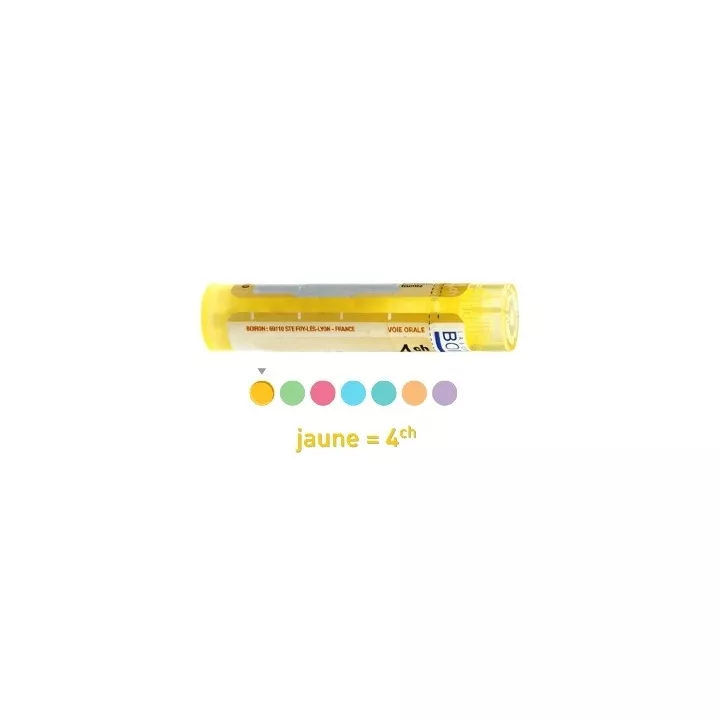
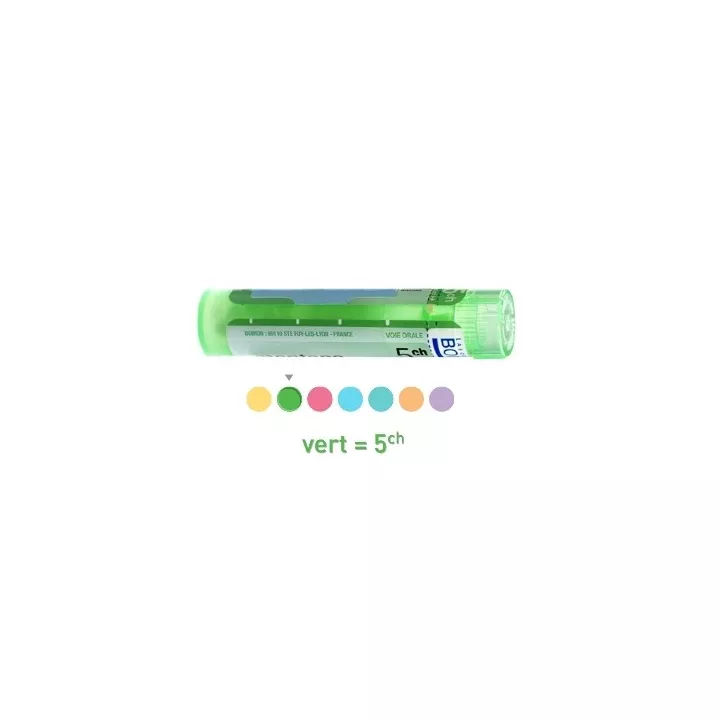
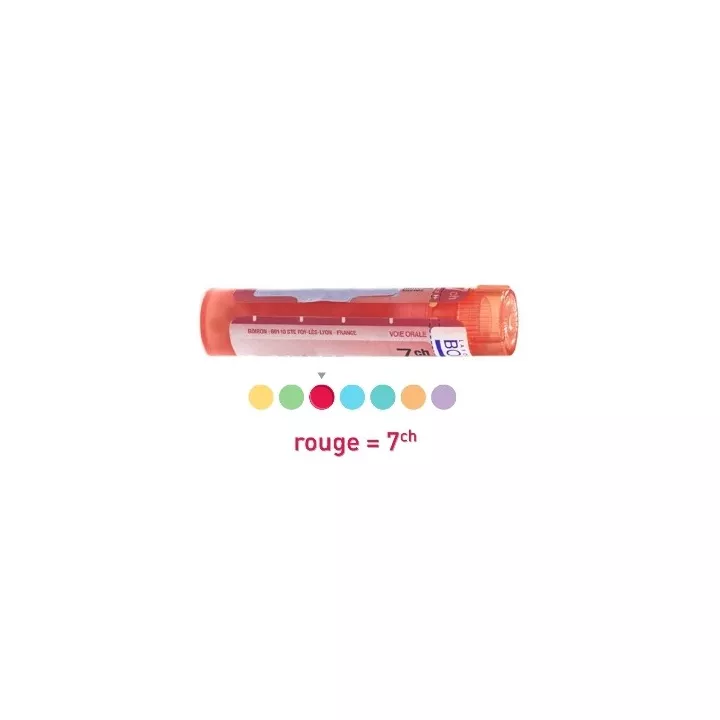
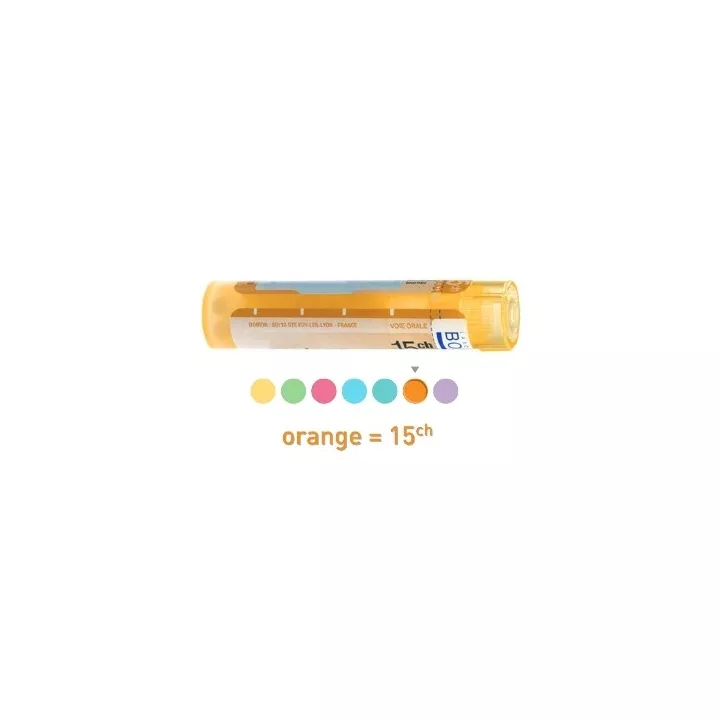
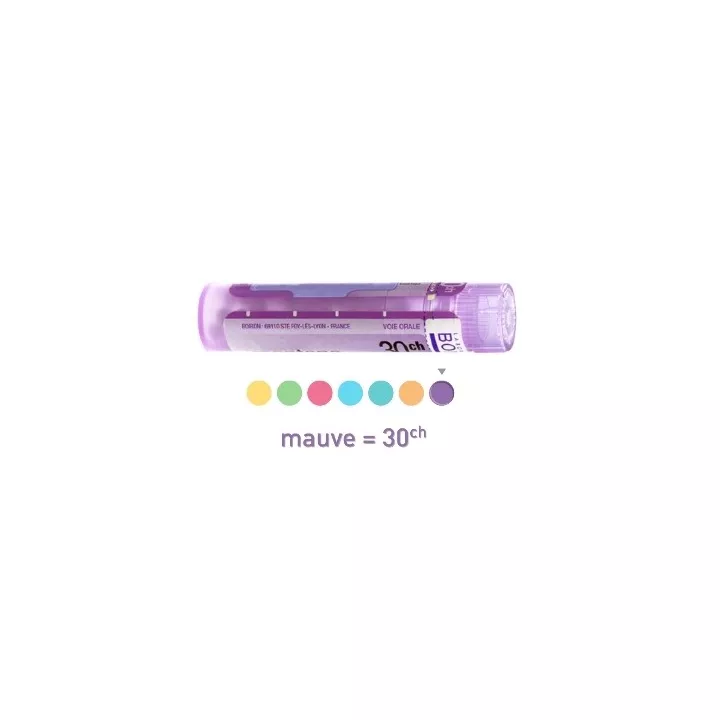
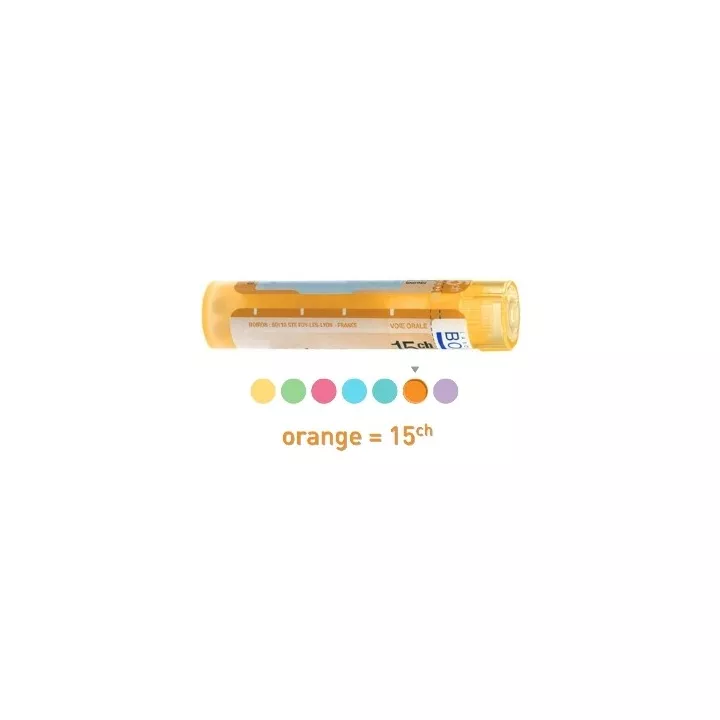
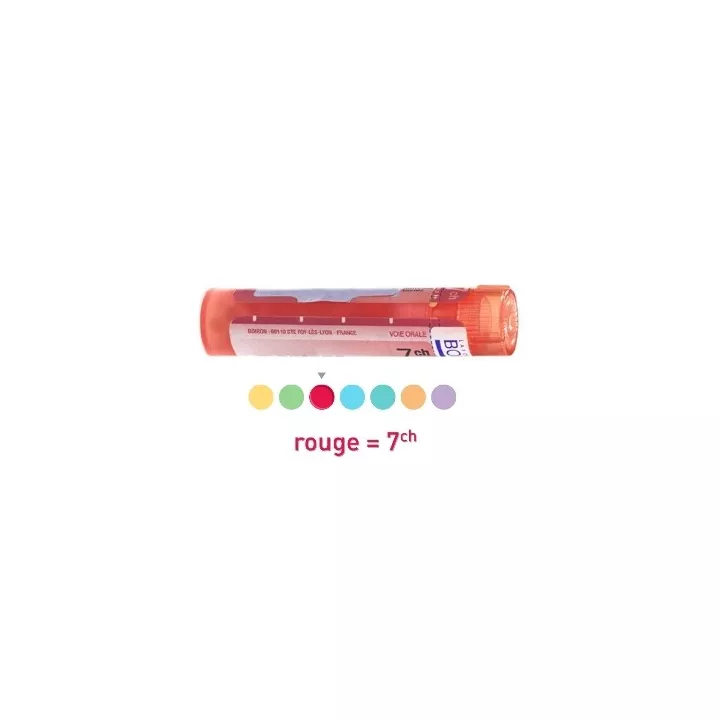
Gnaphalium polycephalum 4CH, 5CH, 7CH, 9CH, 15CH, 30CH Boiron Homeopathic Granules
Registered Medication: EH01616
Source: Plant
Available in Korsakovian dilutions of 200K, 1,000K, 10,000K
Gnaphalium polycephalum, prepared fromHelichrysum stoechas (yellow immortelle), is a homeopathic remedy recognized for its therapeutic properties, particularly in the treatment of neurological and muscular pain. This remedy plays a crucial role in pain management, particularly in cases of sciatica and lower back pain.
Therapeutic Properties
The main indications for Gnaphalium polycephalum involve the treatment of sciatic and lower back pain. This remedy is highly recommended for relieving neuralgia, particularly that affecting the sciatic nerve. Patients suffering from cramps associated with these neuralgias may also benefit from its soothing effects.
Clinical Applications
In addition to sciatic pain, Gnaphalium polycephalum is effective in treating various manifestations of neurological pain, including thenumbness that may accompany these conditions. Lower back pain, which is common and often debilitating, is also effectively managed by this remedy.
Effectiveness for Rheumatic Pain
In addition to its effects on lower back and sciatic pain, Gnaphalium polycephalum has proven useful for sudden, severe rheumatic pain that can extend from the shoulders and elbows all the way to the toes. This broad spectrum of action makes Gnaphalium polycephalum a preferred choice for patients seeking comprehensive relief from pain associated with inflammation and nervous disorders.
Please refer to the package insert for Gnaphalium polycephalum 4CH, 5CH, 6CH, 7CH, 9CH, 12CH, 15CH, 30CH
Choosing the Right Dilution of Gnaphalium polycephalum in Homeopathy
Depending on the type of symptoms to be treated, different dilutions are used.
- Low dilutions (4CH–5CH) are used for local symptoms
- Medium dilutions (7CH–9CH) are used to treat more general symptoms
- High dilutions (15CH–30CH) are intended for behavioral disorders
Indications and Dosage
The homeopathic physician selects the appropriate dilution of Gnaphalium polycephalum for each condition or symptom.
Gnaphalium polycephalum: A Homeopathic Remedy for Rheumatic and Neuralgic Pain
Use in Rheumatology
Gnaphalium polycephalum, available in homeopathic granules from Boiron in dilutions ranging from 4CH to 30CH, is a remedy used primarily in rheumatology to relieve neuralgic and rheumatic pain. This remedy is specifically indicated for pain accompanied by numbness, which is often characteristic of neuralgic conditions such as sciatica.
Effectiveness Against Neuralgic and Lower Back Pain
Gnaphalium polycephalum is effective in treating intense pain that follows the path of the sciatic nerve, extending all the way to the toes. It is also used to relieve lower back pain and shooting pains in the shoulders, elbows, and toes, often associated with rheumatic conditions.
Recommendations for Use to Ensure Optimal Effectiveness
For effective treatment of neuralgic or rheumatic pain with Gnaphalium polycephalum, it is recommended to take 5 granules of the appropriate dilution, as needed or as directed by a healthcare professional. The granules should be taken between meals to ensure optimal absorption.
Therapeutic Applications
Gnaphalium polycephalum is primarily indicated for:
- Neuropathic pain: Effective in treating nerve-related pain, such as sciatica, where patients may experience shooting pains or burning sensations.
- Muscle cramps and pain: Used to relieve muscle cramps and pain that may accompany conditions such as arthritis or muscle injuries.
- Chronic pain syndromes: May help manage chronic pain, providing prolonged relief without the side effects associated with conventional pain relievers.
- Neuralgias and sciatic pain: Gnaphalium polycephalum is particularly indicated for pain along the sciatic nerve, characterized by varying intensity and a sensation of numbness that can extend all the way to the toes.
- Lower back pain: The remedy is recommended for lower back pain accompanied by intermittent numbness, often worsened when standing or lying down and alleviated when sitting.
- Sudden, severe rheumatic pain: It is prescribed for acute pain in the shoulders, elbows, and even the toes.
- Joint pain and cramps: Effective for cramps in the foot or calf, as well as gout pain in the big toe, often accompanied by numbness and night sweats.
Recommended Dosages for Treatment with Gnaphalium Polycephalum
The homeopathic approach often requires personalized treatment, in which the homeopathic physician determines the most appropriate dosage based on the patient’s specific symptoms and the progression of their condition. Here are the general recommendations for the use of Gnaphalium polycephalum according to the different types of pain being treated:
Rheumatic Pain
For rheumatic pain, it is essential that the homeopathic physician assess the patient’s condition in order to prescribe the appropriate dose. The frequency and concentration of the remedy may vary depending on the severity and persistence of the symptoms.
Sciatica and Neuralgic Pain
In cases of sciatica or neuralgic pain, it is recommended to administer three granules of Gnaphalium polycephalum 5 CH three times a day. This dosage should be continued until there is a noticeable improvement in the patient’s condition.
Lower Back Pain
For lower back pain, the recommended treatment is to take five granules of Gnaphalium polycephalum 5 CH, divided into three to four doses throughout the day. This regimen should be continued until the pain has completely subsided.
Guidelines for Using Gnaphalium polycephalum and Instructions for Use
Twist the tube to dispense the desired number of granules into the cap, then place the Gnaphalium polycephalum 4CH, 5CH, 6CH, 7CH, 9CH, 12CH, 15CH, or 30CH under the tongue.
How long does it take to see an improvement with Gnaphalium polycephalum?
Improvement in symptoms may vary depending on the individual and the severity of the pain. Some patients may experience relief shortly after starting treatment, while for others, it may take longer.
Are there any side effects from using Gnaphalium polycephalum?
Gnaphalium polycephalum is generally well tolerated, and side effects are rare in homeopathy. If you experience any unusual symptoms, it is important to consult a healthcare professional.
Can Gnaphalium polycephalum be used alongside other treatments for rheumatic pain?
Yes, Gnaphalium polycephalum can be used in conjunction with other treatments prescribed for rheumatic pain. It is always prudent to consult a healthcare professional to discuss this combination to ensure a comprehensive and safe approach to treating symptoms.
Is Gnaphalium polycephalum suitable for all ages?
Gnaphalium polycephalum can be used by people of various ages suffering from rheumatic or neuralgic pain. However, a consultation with a healthcare professional is recommended to confirm the dosage and suitability of the treatment, particularly for children and the elderly.
Presentation
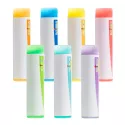
Translucent tube of granules. Weight: 4 g. Approximately 80 homeopathic granules of Gnaphalium polycephalum 4CH, 5CH, 6CH, 7CH, 9CH, 12CH, 15CH, 30CH
Gnaphalium polycephalum, commonly known as multi-headed cottonweed, is a plant used in homeopathy for its anti-inflammatory and analgesic properties, which are particularly effective in treating nerve pain. This article explores the characteristics of this homeopathic remedy, its various forms of preparation, and its main therapeutic applications.
Origin and Properties
Gnaphalium polycephalum is a plant traditionally used to relieve various types of pain, including sciatic pain and cramps. In homeopathy, it is used for its similar effects, helping to reduce inflammation and soothe neuropathic pain.
Forms of Preparation
Doses and Tubes: Gnaphalium polycephalum is available in doses and tubes, offering flexibility in how the remedy can be administered. Available potencies include:
- Doses: 9 CH, 15 CH, 30 CH
- Vials: 4 CH, 5 CH, 7 CH, 9 CH, 15 CH, 30 CH
These different dilutions allow practitioners to choose the appropriate potency based on the patient’s specific needs and sensitivity.
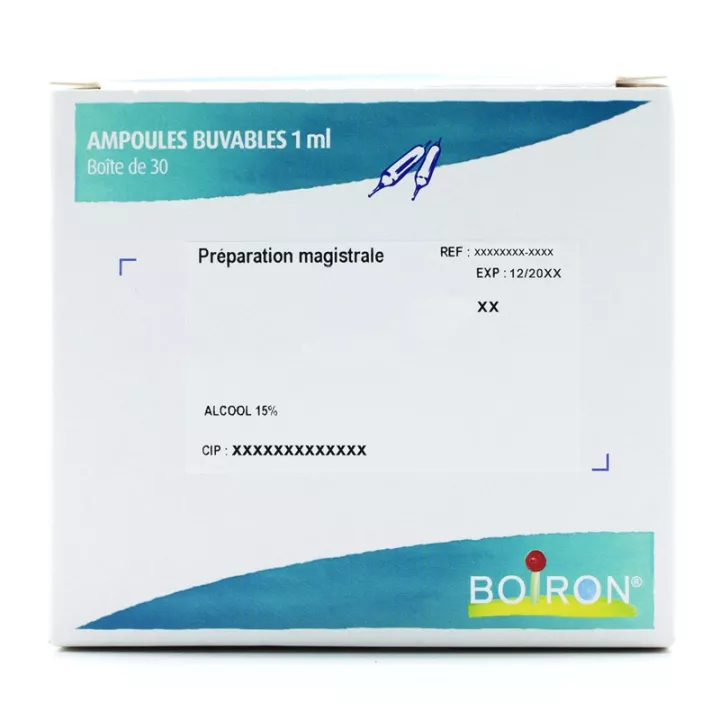
Compounded Preparations: For specific needs, Gnaphalium polycephalum can also be prepared in Hahnemannian dilutions starting at 4 CH, as well as in Korsakovian dilutions of 200K, 1,000K, and 10,000K. These customized preparations allow for precise adjustment of the treatment to each patient’s individual condition.