What is back pain, and which areas of the spine can it affect?
Back pain is the leading cause of visits to general practitioners and sick leave in France—it affects 80% of adults at least once in their lives. Unlike low back pain (L1–S1), it can affect the entire spine. Our line of back belts and supports offers tailored support solutions for each specific location.
- Neck pain: neck + trapezius muscles—often related to computer use, stress, or poor sleeping posture—see our page on neck injuries
- Thoracic (mid-back) pain: D1–D12 — tightness in the rhomboids and trapezius muscles — prolonged hunched posture, hyperkyphosis
- Lowback pain: lower back L1–S1 — the most common site of back pain — paravertebral muscles, discs, and posterior facet joints
- Main risk factors: sedentary lifestyle (weakened core), being overweight (each additional kilogram × 3–5 increases disc pressure), smoking (accelerates disc degeneration), chronic stress (paravertebral muscle tension)
- Red flags: fever + back pain, unexplained weight loss, constant nighttime pain, neurological deficits → seek urgent medical attention
What supplements and natural active ingredients can help relieve back pain?
Natural anti-inflammatory compounds and musculoskeletal micronutrients provide the primary non-pharmacological support for back pain. Find these formulas in our pain relief product line.
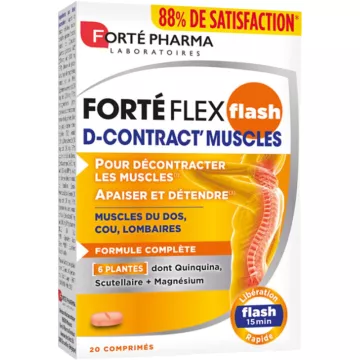
- Magnesium: the go-to active ingredient for paravertebral muscle spasms—reduces neuromuscular hyperexcitability—300–400 mg/day of bisglycinate
- Omega-3 (EPA/DHA): reduces disc and muscle neuroinflammation — 2 g EPA+DHA per day
- Turmeric (curcumin): a natural anti-inflammatory — bioavailable formula with piperine or in liposomal form
- Vitamin D3: Deficiency is directly linked to diffuse musculoskeletal back pain — annual blood test recommended
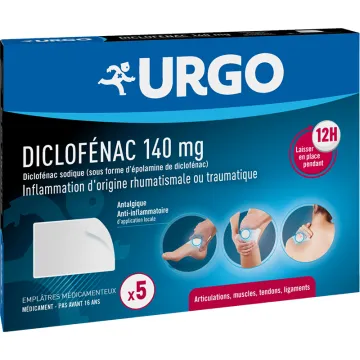
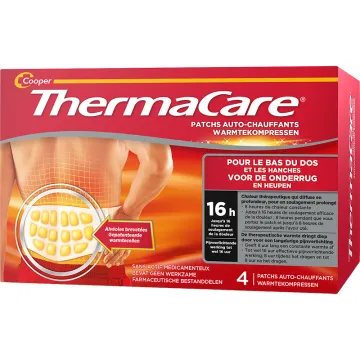
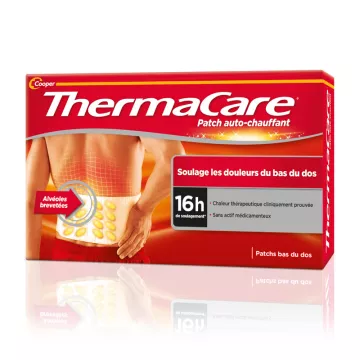
- Heating patch: lumbar or dorsal application — gentle heat for 8–12 hours — documented effectiveness for acute back pain — portable and discreet use
Exercise, ergonomics, and osteopathy: the pillars of prevention
Back pain prevention relies on an active approach—the two mistakes to avoid are prolonged strict rest and excessive use of support devices.
- Core strengthening: transverse abdominis, multifidus, quadratus lumborum—abdominal and back core exercises (plank, Dead Bug, Bird Dog)—stabilization of the spine to protect the discs
- Yoga and Pilates: flexibility + strength + spinal proprioception—recommended for chronic back pain—2–3 sessions per week
- Office ergonomics: monitor at eye level, chair with lumbar support, arms at a 90° angle, active breaks every 45 minutes, alternating between sitting and standing
- Osteopathy: spinal and myofascial manipulations — restores spinal alignment and reduces compensatory tension — recommended for acute episodes and chronic pain of mechanical origin
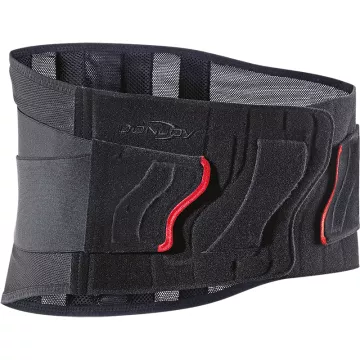
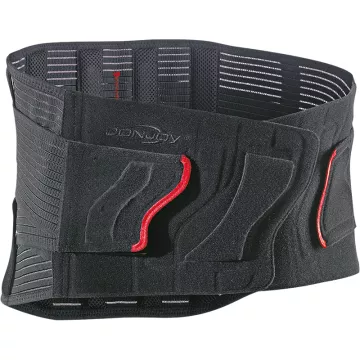
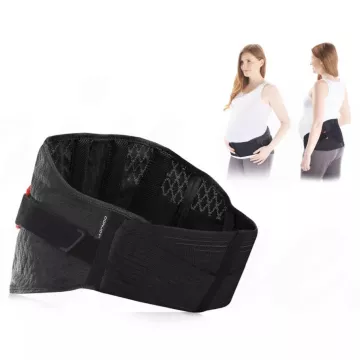
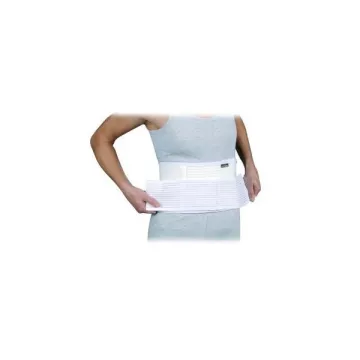
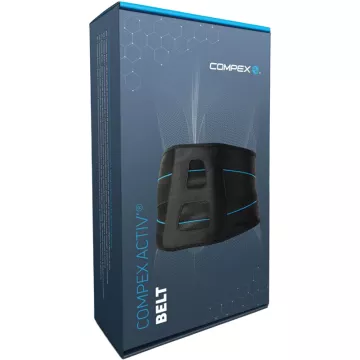
- Lumbar support belt: useful during occasional physical exertion (lifting heavy loads, long drives) — continuous use not recommended (contributes to muscle weakness) — see our selection of back support belts
Stress, weight, and back pain: connections you should know
- Chronic stress: cortisol → paravertebral muscle tension → muscle spasms → pain — heightened perception of pain via the limbic system — techniques: cardiac coherence (5 min, 3x/day), meditation, yoga
- Excess weight: Each kilogram of excess weight increases pressure on the lumbar discs by 3 to 5 times — losing 5–10% of body weight significantly reduces episodes of pain
- Smoking: reduced disc blood supply — accelerated degeneration of the intervertebral discs — 30–50% increased risk of a herniated disc
- Anti-inflammatory diet: calcium + vitamin D3 (to prevent bone demineralization), omega-3 (to reduce disc inflammation), Mediterranean diet
- Persistent back pain lasting > 4–6 weeks with no improvement: consult your doctor for an evaluation and referral—active physical therapy and an exercise reconditioning program